Did Delhi Achieve 200 Days of Good Air Quality in 2025 Compared to Just 110 Days in 2016?
Click to start listening
Synopsis
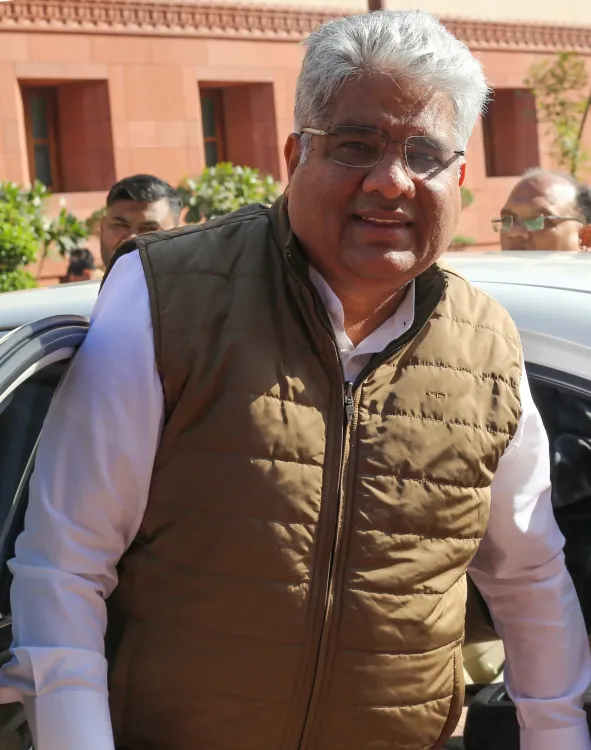
Delhi's air quality is on the rise! Discover how coordinated efforts have led to a significant increase in good air days in the capital, from just 110 days in 2016 to an impressive 200 days in 2025. Minister Bhupender Yadav provides insights into the improvements and challenges that lie ahead.
Key Takeaways
- Delhi recorded 200 good air days in 2025.
- Significant reduction in severe pollution days.
- Punjab and Haryana saw a 90% drop in fire incidents.
- CAQM regulations are in effect to combat pollution.
- Stubble burning remains a challenge.
New Delhi, Dec 1 (NationPress) Through concerted efforts, the number of good air days (AQI<200) in Delhi has risen to 200 days in 2025 from only 110 days in 2016, as reported by the Minister for Environment, Forest and Climate Change, Bhupender Yadav, in the Lok Sabha on Monday.
“This year has shown an overall enhancement in the AQI, with 'very poor' days (AQI: 301-400) and 'severe' (AQI over 401) days decreasing from 71 days in 2024 to 50 days in 2025. Delhi has recorded its lowest average AQI over the past eight years, excluding the 2020 Covid lockdown,” he elaborated in response to inquiries regarding the impact of stubble burning from neighboring states on Delhi's air quality.
Yadav also noted that Punjab and Haryana have reported approximately 90 percent reduction in fire incidents during the paddy harvesting season in 2025 compared to the same timeframe in 2022.
Presenting district-wise data for Punjab regarding farm fires reported in November (up to November 29), the Minister indicated that the highest number of fires, 414, occurred in Sangrur, followed by Ferozpur with 381 incidents. During this month alone, a total of 3,470 farm fires were documented in Punjab.
Official statistics revealed that in October, the total number of farm fires in the state was 1,547, with the highest number of incidents, 363, reported in Tarn Taran, followed by 279 in Sangrur.
Yadav underscored the actions taken by the Commission for Air Quality Management (CAQM), which includes directives for kilns and thermal power plants to co-fire with biomass-based pellets and the monitoring of dust control by designated teams.
The Minister further clarified that air pollution in the Delhi National Capital Region (NCR) is a cumulative effect of several factors, including high levels of anthropogenic activities in densely populated areas of NCR, stemming from various sectors such as Vehicular Pollution, Industrial Pollution, dust from Construction and Demolition Projects, dust from Roads and Open Areas, Biomass Burning, Municipal Solid Waste burning, and fires in Landfills, along with various meteorological influences.
Stubble burning in the neighboring states of the NCR region and Punjab during winter is also recognized as an episodic occurrence that worsens the air quality index in Delhi-NCR.
Point of View
It is crucial to highlight the significant strides made in improving air quality in Delhi over recent years. The remarkable increase in good air days reflects a dedicated commitment to environmental health. However, ongoing challenges, particularly from neighboring states, must be addressed to sustain this progress. A united effort is essential for a cleaner, healthier future.
NationPress
01/12/2025
Frequently Asked Questions
What is the AQI?
AQI stands for Air Quality Index, a measure that represents the quality of air in a particular area based on various pollutants.
How does stubble burning affect air quality?
Stubble burning releases significant amounts of smoke and pollutants into the atmosphere, worsening air quality and contributing to respiratory issues.
What measures are being taken to improve air quality in Delhi?
Measures include reducing fire incidents in neighboring states, monitoring pollution sources, and implementing regulations for industrial emissions.
What is considered a 'good air day'?
A 'good air day' is defined as having an AQI of less than 200, indicating acceptable air quality levels.
How can residents contribute to improving air quality?
Residents can contribute by reducing vehicle usage, following burning regulations, and participating in local environmental initiatives.