CM Dhami Govt Equips Nainital Hospitals With Modern Resources
Synopsis
The Uttarakhand government, led by Chief Minister Pushkar Singh Dhami, has equipped hospitals in Nainital district with modern resources, advancing its push to strengthen healthcare infrastructure across the hill state's districts.
Key Takeaways
The Chief Minister's Office of Uttarakhand announced on 10 July 2026 that hospitals in Nainital district have been equipped with modern resources.
Chief Minister Pushkar Singh Dhami has been cited as the driving force behind the state's healthcare strengthening initiative.
The move addresses longstanding healthcare access challenges in Uttarakhand's hilly terrain , where referral travel times to larger hospitals are significant.
The initiative aligns with the Ayushman Bharat Pradhan Mantri Jan Arogya Yojana framework, under which Uttarakhand has been expanding health coverage since 2018 .
Residents of Nainital , local health workers, and seasonal visitors to the hill district stand to benefit from improved hospital infrastructure.
Rollout of similar upgrades to the remaining 12 districts of Uttarakhand and provisions in the next state health budget will be closely watched.
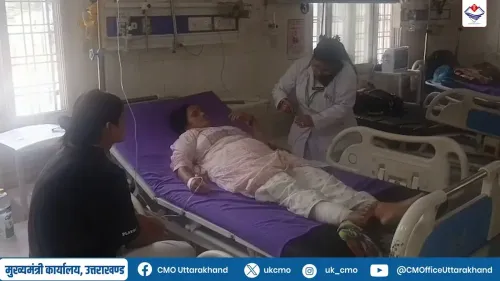
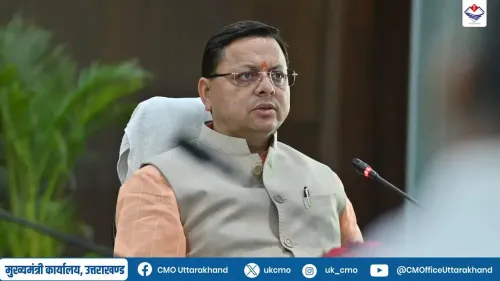
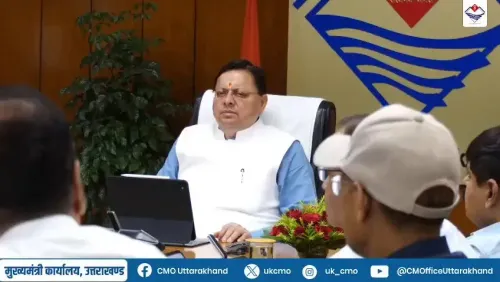
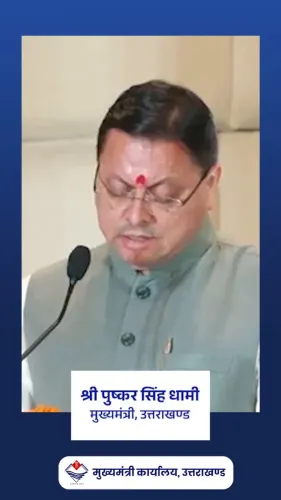
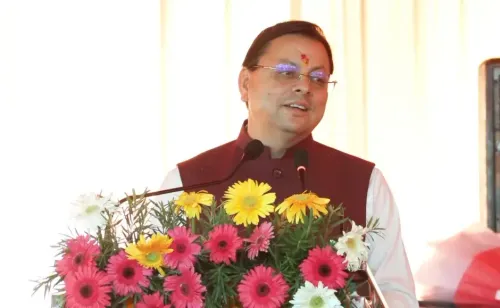
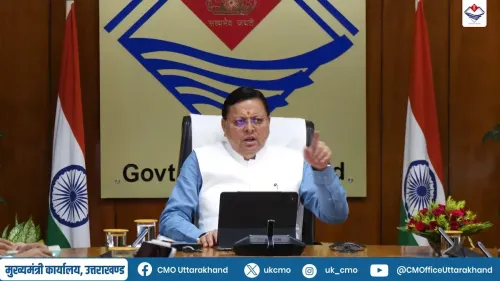
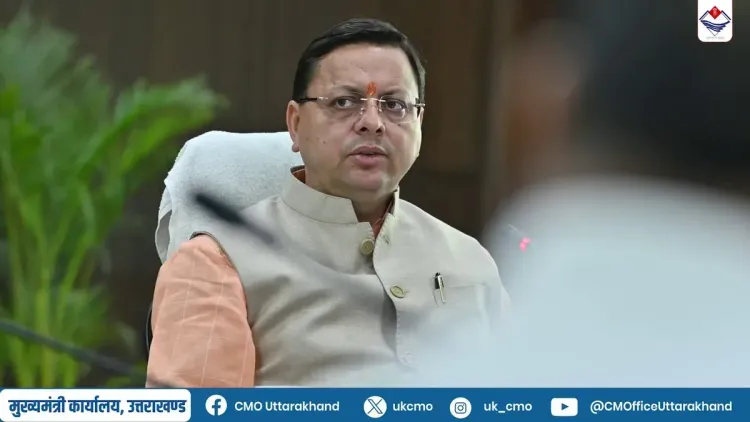
The Chief Minister's Office of Uttarakhand announced on Friday, 10 July 2026 that the state government, under the leadership of Chief Minister Pushkar Singh Dhami, has equipped hospitals in Nainital district with modern resources as part of a broader push to strengthen healthcare services across the hill state.
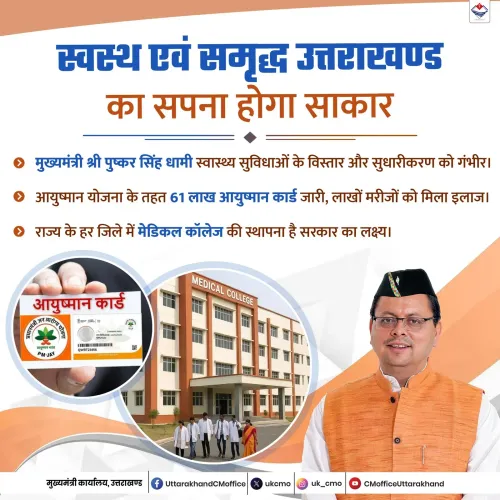
The official post stated: 'मुख्यमंत्री श्री पुष्कर सिंह धामी के नेतृत्व में उत्तराखण्ड सरकार राज्य में स्वास्थ्य सेवाओं को मजबूत कर रही है' — ('Under the leadership of Chief Minister Shri Pushkar Singh Dhami, the Uttarakhand government is strengthening health services in the state.') The announcement specifically highlighted that hospitals in Nainital have been equipped with modern resources by the state government.
Context
Nainital is a hill district in Uttarakhand that serves both permanent residents and a large seasonal tourist population, placing considerable demand on its district hospital and community health centres. The district's terrain has historically made access to specialised medical care difficult, with patients often having to travel significant distances to larger facilities in the plains for treatment.
The current upgrade is presented by the government as a continuation of its stated commitment to decentralised healthcare delivery — bringing quality medical infrastructure closer to people in remote and semi-urban hill areas rather than concentrating resources only in state capitals.
Policy Backdrop
Uttarakhand has been an implementing state under the Ayushman Bharat Pradhan Mantri Jan Arogya Yojana, launched nationally in 2018, which has provided a framework for expanding health coverage and supporting infrastructure development at the district level. The scheme has enabled states to direct resources toward hospital upgrades and beneficiary enrolment in geographically challenging regions.
Chief Minister Dhami, who has been in office since 2021, has identified health infrastructure as a priority alongside road connectivity and tourism development. Successive state administrations have pursued equipment modernisation and specialist-posting drives to reduce referral burdens on district hospitals in the hills.
Stakeholders and Impact
The primary beneficiaries of the Nainital hospital upgrades are the district's residents — including those in rural and peri-urban areas — as well as frontline health workers who depend on functional equipment to deliver care. Improved facilities at the district level can reduce the need for patients to travel to Haldwani or Dehradun for procedures that could be handled locally.
Health workers in the district are also expected to benefit from better-equipped facilities, which can improve working conditions and support retention of medical staff in hill postings — a persistent challenge for mountain states across India.
What's Next
Attention will now turn to whether similar equipment upgrades are rolled out to other districts across Uttarakhand, particularly in more remote areas such as Pithoragarh, Chamoli, and Uttarkashi, where healthcare access gaps remain significant. The state's next health budget will be a key indicator of how much fiscal weight the government places behind these commitments.
If the Nainital model is scaled across all 13 districts of the state, it could mark a meaningful shift in how Uttarakhand approaches decentralised health delivery — with implications for both public health outcomes and the government's political positioning ahead of future electoral cycles.
Point of View
Health announcements serve a dual purpose: addressing a genuine service gap in terrain-challenged districts while building a record of tangible outcomes. The framing around 'modern resources' without specific expenditure details is typical of government communications that seek to signal intent and momentum ahead of budget cycles. Whether this translates into measurable improvements in health outcomes will depend on sustained investment and staffing commitments beyond the equipment upgrade.
NationPress
8 Oct 2026
Frequently Asked Questions
What has the Uttarakhand government done for hospitals in Nainital?
The Uttarakhand government, under Chief Minister Pushkar Singh Dhami, has equipped hospitals in Nainital district with modern resources as part of an effort to strengthen healthcare services in the state, as announced on 10 July 2026.
Who is the Chief Minister of Uttarakhand in 2026?
Pushkar Singh Dhami is the Chief Minister of Uttarakhand. He has held the position since 2021 and has identified health infrastructure as a key governance priority.
What is the Ayushman Bharat scheme and how does it relate to Uttarakhand?
Ayushman Bharat Pradhan Mantri Jan Arogya Yojana is a national health scheme launched in 2018 that Uttarakhand has implemented to expand health coverage and support district-level hospital infrastructure upgrades.
Why do Uttarakhand's hill districts need special attention for healthcare?
Uttarakhand's mountainous terrain means patients in districts like Nainital often have to travel long distances for specialised care. Upgrading district hospitals reduces referral travel times and makes healthcare more accessible to local residents.
Which other Uttarakhand districts may receive similar hospital upgrades?
Districts such as Pithoragarh, Chamoli, and Uttarkashi, which face significant healthcare access gaps, are expected to be watched for similar modernisation drives. The next state health budget will indicate the scale of planned rollout.