CM Dhami: Saving Youth From Drugs Is Our Collective Duty
Synopsis
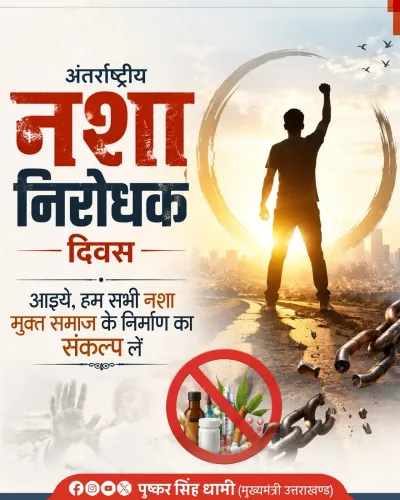
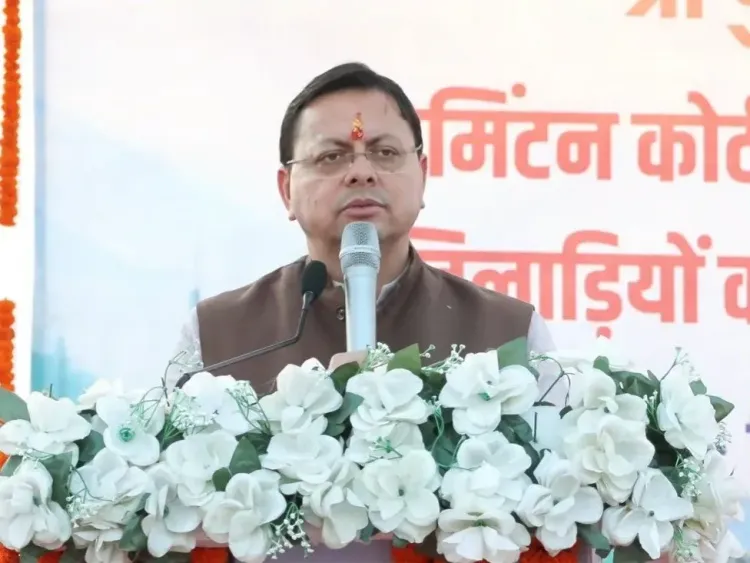
Chief Minister Pushkar Singh Dhami of Uttarakhand declared on 18 October 2026 that protecting India's youth from drugs is a collective responsibility, tying the nation's demographic strength directly to the anti-drug imperative.
Key Takeaways
CM Pushkar Singh Dhami on 18 October 2026 called drug abuse prevention a 'collective responsibility' of all citizens, not just the government.
He framed India as 'one of the youngest nations in the world,' positioning youth power as the country's greatest national strength.
The statement aligns Uttarakhand's messaging with the national Nasha Mukt Bharat Abhiyan , launched in August 2020 by the Ministry of Social Justice and Empowerment .
Uttarakhand faces particular vulnerability to substance abuse risks given its geography, migration pressures, and young population.
Analysts will watch for concrete follow-up: new de-addiction centres, district-level awareness drives, or dedicated budget allocations in the next assembly session.
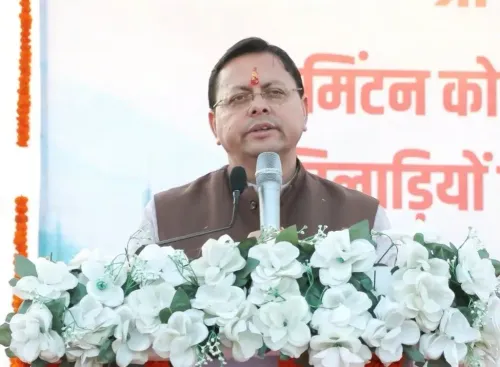
India's demographic advantage — its vast, restless youth population — carries a shadow that demands the same urgency as any economic policy. On Sunday, 18 October 2026, the Chief Minister's Office of Uttarakhand quoted Chief Minister Pushkar Singh Dhami with a sharp reminder: protecting that youth from substance abuse is not a government task alone, but a shared national obligation.
In his statement, CM Dhami said: 'Bharat duniya ke sabse yuva deshon mein se ek hai aur hamari yuva shakti rashtra ki sabse badi takat hai. Yuvaon ko nashe se bachana hum sabhi ki samuhik jimmedari hai.' ('India is one of the youngest nations in the world and our youth power is the nation's greatest strength. Saving the youth from drugs is the collective responsibility of all of us.')
Why Uttarakhand Is Watching Its Youth Closely
Uttarakhand sits at a geographic crossroads — a hill state with porous borders, migration pressure, and a young population vulnerable to substance exposure. State governments across India have intensified anti-drug messaging in recent years, aligning their campaigns with the national Nasha Mukt Bharat Abhiyan, launched in August 2020 by the Ministry of Social Justice and Empowerment. The programme targeted awareness, community mobilisation, and rehabilitation infrastructure in identified high-burden districts.
CM Dhami, who has been in office since 2021, has consistently framed youth welfare as central to Uttarakhand's development narrative. The language of 'collective responsibility' is deliberate — it signals that schools, families, panchayats, and civil society are expected to carry part of the load alongside state machinery.
The Demographic Argument at the Heart of the Message
India is home to one of the largest youth cohorts on the planet — a demographic dividend that policymakers, economists, and political leaders invoke as a competitive edge in global conversations. The flip side is stark: substance abuse among young Indians erodes exactly the human capital that makes the dividend valuable. CM Dhami's framing directly connects the two — invoking India's youth strength in the same breath as the threat posed by drugs is a rhetorical and policy signal in one.
The burden is real. Awareness campaigns alone have limited traction without accessible de-addiction infrastructure, school-level intervention programmes, and sustained community engagement. Eyes will now be on whether Uttarakhand announces concrete follow-through — new de-addiction centres, budget lines in the upcoming assembly session, or district-level drives — to give this public statement operational weight.
Words frame the urgency. Action will define the outcome.
Point of View
Signalling that families, communities, and institutions must co-own the problem. For a BJP-governed hill state with an eye on youth voter sentiment, this is also a values signal. The real test is whether the statement catalyses measurable infrastructure investment or remains aspirational oratory.
NationPress
18 Oct 2026
Frequently Asked Questions
What did CM Pushkar Singh Dhami say about drugs and youth?
On 18 October 2026, CM Dhami stated that India is one of the world's youngest nations and its youth are its greatest strength, making the protection of youth from drug abuse a collective responsibility of all citizens.
What is the Nasha Mukt Bharat Abhiyan?
Nasha Mukt Bharat Abhiyan is a national campaign launched in August 2020 by the Ministry of Social Justice and Empowerment to combat drug abuse through awareness, community mobilisation, and rehabilitation infrastructure across India.
Why is Uttarakhand particularly focused on youth drug abuse?
Uttarakhand's geographic location, porous borders, and significant youth migration make it vulnerable to substance abuse risks, prompting state leaders to align with national anti-drug programmes.
How long has Pushkar Singh Dhami been Chief Minister of Uttarakhand?
Pushkar Singh Dhami has been Chief Minister of Uttarakhand since 2021, with youth welfare and state development among his stated priorities.
What concrete steps is Uttarakhand expected to take on drug prevention?
Observers will watch for announcements of new de-addiction centres, district-level awareness drives, and dedicated budget allocations in Uttarakhand's upcoming assembly sessions following CM Dhami's public statement.