CM Mohan Yadav: Dhar PM MITRA Park to draw ₹20,000 cr investment
Synopsis
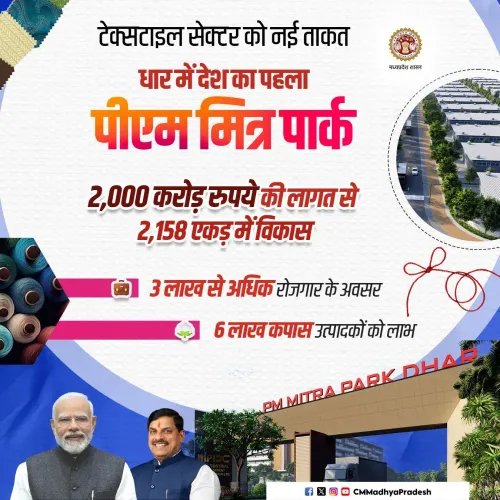
Madhya Pradesh CM Mohan Yadav says the PM MITRA Park in Dhar — set to be India's largest — has received ₹20,000 crore in investment proposals from over 30 companies, with projections of 44,000 jobs and benefits for 6 lakh cotton farmers.
Key Takeaways
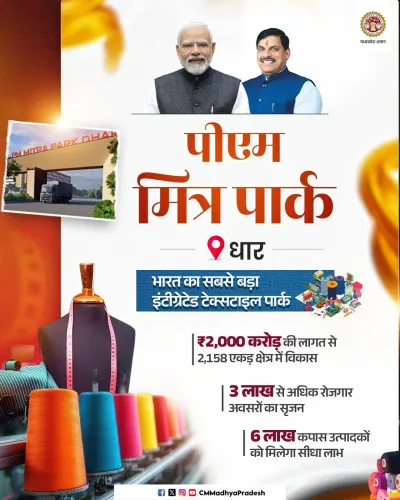
The PM MITRA Park in Dhar, Madhya Pradesh is being developed as the largest such park in India under the central PM MITRA scheme.
Investment proposals worth approximately ₹20,000 crore have already been received for the project.
More than 30 major companies have expressed interest in investing in the park.
The project is projected to create approximately 44,000 employment opportunities across the textile value chain.
More than 6 lakh cotton-producing farmers in the region are expected to receive direct benefits from the park.
The announcement was made ahead of BharatTex 2026 , signalling the park as a flagship investment showcase.
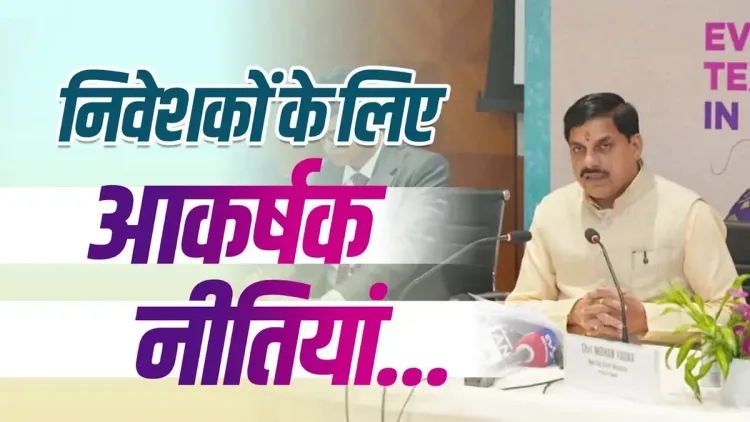
The Chief Minister's Office of Madhya Pradesh announced on Thursday, 16 July 2026 that the PM MITRA Park being developed in Dhar district will be the largest such park in the country, with investment proposals worth approximately ₹20,000 crore already received and more than 30 major companies expressing interest in the project.
Chief Minister Mohan Yadav, in a post on X, said the park would 'write a new chapter of transformation in the textile sector' (टेक्सटाइल क्षेत्र में परिवर्तन का नया अध्याय लिखेगा). He stated the project is expected to generate approximately 44,000 employment opportunities and directly benefit more than 6 lakh cotton-producing farmers in the region.
Context
The Pradhan Mantri Mega Integrated Textile Region and Apparel (PM MITRA) scheme was announced in the Union Budget 2021-22 with the aim of establishing seven integrated textile parks across India. Each park is designed to host the complete textile value chain — from spinning and weaving through processing and garmenting — under one roof, improving cost efficiency and global competitiveness.
Dhar, located in western Madhya Pradesh, sits within a significant cotton cultivation belt, making it a strategic choice for a textile-focused industrial cluster. The Madhya Pradesh Industrial Development Corporation (MPIDC) is the nodal agency facilitating the project on the ground.
Policy Backdrop
India's push for integrated textile parks is rooted in the broader Atmanirbhar Bharat framework, which seeks to reduce import dependence and scale up domestic manufacturing capacity. Apparel and textile exports have faced intensifying competition from Bangladesh and Vietnam, both of which benefit from lower labour costs and clustered manufacturing ecosystems.
The PM MITRA scheme, administered by the Ministry of Textiles, complements production-linked incentive (PLI) programmes for man-made fibres and technical textiles. By clustering units at a single site, the parks aim to cut logistics costs, share common infrastructure, and attract anchor investors who can draw smaller ancillary units in their wake.
Stakeholders and Impact
The most immediate beneficiaries, if projections hold, would be Madhya Pradesh's cotton farmers — the state is among India's leading cotton-producing regions. A direct market linkage through a large-scale processing and manufacturing hub could reduce the dependence of farmers on intermediaries and stabilise procurement prices.
On the employment side, the projected 44,000 jobs would span skilled and semi-skilled roles across spinning, weaving, dyeing, and garmenting units. The Ministry of Textiles and MPIDC are the key institutional actors coordinating investment facilitation, land allocation, and infrastructure development for the park.
What's Next
Attention will now turn to the finalisation of anchor investors among the 30-plus interested companies and the progress of land acquisition in Dhar. The hashtag #BharatTex2026 in the Chief Minister's post signals that the park is being positioned as a flagship announcement ahead of the BharatTex 2026 textile trade event, where formal MoUs and investment commitments are likely to be showcased.
Parliamentary updates on fund releases under the PM MITRA scheme and state-level agreements with prospective investors will be closely watched as the project moves from proposal stage to ground-level execution.
Point of View
000 crore in proposals and 30-plus interested companies, CM Mohan Yadav is building investment momentum through public declaration, a tactic that pressures prospective investors to formalise commitments. The emphasis on 6 lakh cotton farmers is a deliberate rural outreach frame, linking an industrial project to agrarian welfare in a state where farming communities remain a critical electoral constituency. Whether the projections translate into signed MoUs and ground-breaking will be the real test of the park's transformative promise.
NationPress
14 Oct 2026
Frequently Asked Questions
What is the PM MITRA Park in Dhar, Madhya Pradesh?
The PM MITRA Park in Dhar is being developed as India's largest integrated textile park under the central government's Pradhan Mantri Mega Integrated Textile Region and Apparel (PM MITRA) scheme, which was announced in the Union Budget 2021-22 to create seven world-class textile clusters across the country.
How much investment has the Dhar PM MITRA Park attracted?
According to CM Mohan Yadav, the Dhar PM MITRA Park has received investment proposals worth approximately ₹20,000 crore, with more than 30 major companies having expressed interest in the project.
How many jobs will the PM MITRA Park in Dhar create?
The park is projected to generate approximately 44,000 employment opportunities across the textile value chain, spanning spinning, weaving, processing, and garmenting units.
How will the Dhar textile park benefit cotton farmers?
More than 6 lakh cotton-producing farmers in the region are expected to receive direct benefits from the park, as an integrated textile manufacturing hub near cotton-growing areas can provide a closer and more stable market for raw cotton, reducing dependence on intermediaries.
Which agency is implementing the PM MITRA Park in Madhya Pradesh?
The Madhya Pradesh Industrial Development Corporation (MPIDC) is the nodal agency responsible for industrial infrastructure and investment facilitation for the PM MITRA Park in Dhar, working in coordination with the central Ministry of Textiles.