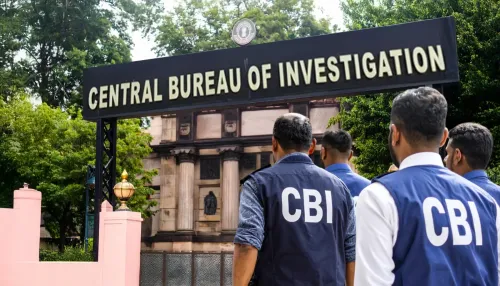
CBI Operation Chakra-VI: 89 locations raided across 20 states, 3 arrested in digital arrest crackdown
Synopsis
The CBI's Operation Chakra-VI swept across 89 locations in 20 states in a single day, netting three alleged money mules and exposing a digital arrest fraud network that cheated victims of over ₹42 crore across just three cases — one victim held under fake 'digital arrest' for three months. With the Supreme Court watching, this is the most aggressive federal move yet against India's fastest-growing cybercrime category.
Key Takeaways
The CBI conducted searches at 89 locations across 20 states on 4 September under Operation Chakra-VI .
Three persons — Akash (Haryana), Raja Karmakar (Kolkata), and Jyoti Rani — were arrested for allegedly laundering fraud proceeds.
Three anchor cases involved victims defrauded of ₹7.67 crore (BITS Pilani), ₹19.24 crore (Gujarat), and ₹15.45 crore (Karnataka) — over ₹42 crore combined.
Scammers impersonated police officers and government officials to place victims under fictitious 'digital arrest' for up to three months .
The Supreme Court has directed the CBI to take concerted action against digital arrest networks.
Seized evidence is undergoing forensic examination ; further arrests are expected as the probe continues.
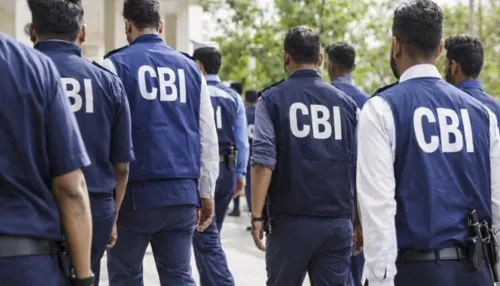
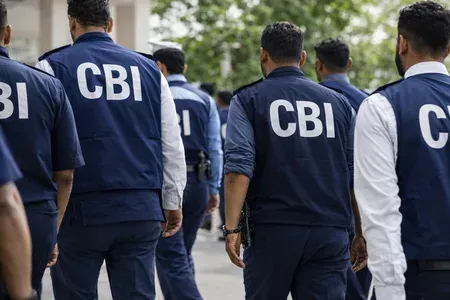
The Central Bureau of Investigation (CBI) launched a sweeping nationwide operation against organised digital arrest syndicates on Friday, 4 September, conducting coordinated searches at 89 locations across 20 states under Operation Chakra-VI. Three persons were arrested in Haryana and Kolkata for their alleged roles in receiving, layering, and dispersing fraud proceeds running into crores of rupees.
What Is Operation Chakra-VI
Operation Chakra-VI is the CBI's latest coordinated strike against cross-state cybercrime networks, specifically targeting the growing menace of digital arrest fraud. In this scheme, cyber criminals impersonate police officers, government officials, and law-enforcement personnel to intimidate victims into transferring large sums of money under the threat of fictitious legal action. The CBI has taken over several digital arrest-related cases registered across different states, conducting searches based on detailed financial and technical analysis.
The probe involved scrutiny of bank accounts, online access data, and digital trails to map the movement of fraud proceeds and identify handlers and beneficiaries within the syndicates.
Three Cases at the Centre of the Raids
The CBI highlighted three specific cases that drove the search operations. In the first, a victim connected to BITS Pilani was allegedly kept under digital arrest for three months and defrauded of ₹7.67 crore by scammers posing as police officers. In the second case, originating in Gujarat, a victim was similarly detained digitally for three months by individuals impersonating law-enforcement personnel and allegedly cheated of ₹19.24 crore. The third case, registered in Karnataka, involves a victim kept under digital arrest for one month and allegedly defrauded of ₹15.45 crore, according to the agency.
Across these three cases alone, the alleged fraud amounts to over ₹42 crore.
Who Was Arrested and What the Agency Found
The CBI arrested three accused persons during the operation. According to the agency, Akash, a resident of Haryana, allegedly received ₹1.95 crore of defrauded money in his bank account — an account he had opened himself — and transferred the funds to other accounts on the same day, indicating direct alleged involvement in laundering the proceeds.
Raja Karmakar of Kolkata allegedly received ₹1.5 crore of fraud proceeds in his firm's account. A third accused, Jyoti Rani, allegedly withdrew a portion of the defrauded amount in cash and transferred the remainder to other accounts to conceal its trail, the CBI said.
Searches resulted in the seizure of banking documents, account-related records, digital devices, and other material considered crucial to the investigation. The agency said the seized evidence is being subjected to forensic examination to establish the broader financial and technological infrastructure used by the syndicates to operate across state boundaries.
Supreme Court Directive and Legal Context
The operation comes against the backdrop of a Supreme Court directive asking the CBI to take concerted action against perpetrators and the wider networks facilitating digital arrest crimes. This lends the crackdown additional legal weight and signals that the judiciary is closely monitoring the agency's progress.
Notably, digital arrest fraud has emerged as one of the fastest-growing categories of cybercrime in India, with victims spanning professionals, students, and senior citizens. The CBI's nationwide sweep marks a significant escalation in the Centre's response.
What Happens Next
The CBI said efforts are continuing to identify and apprehend other members of the wider network. The agency maintained it will pursue all those involved in digital arrest crimes in accordance with the Supreme Court's directions. Further forensic and financial investigation is underway, and additional arrests cannot be ruled out as the probe expands.
Point of View
Same-day fund transfers, and cross-state layering sophisticated enough to require federal intervention. The Supreme Court's directive to the CBI is an implicit acknowledgement that state police forces have been outpaced. What remains untested is whether arresting money mules at the bottom of the chain will dismantle the masterminds who script these elaborate impersonation schemes, many of whom reportedly operate from outside India. The real measure of Chakra-VI's success will be how far up the syndicate ladder the forensic trail leads.
NationPress
4 Sept 2026
Frequently Asked Questions
What is Operation Chakra-VI launched by the CBI?
Operation Chakra-VI is a nationwide CBI crackdown on organised syndicates running digital arrest fraud, involving coordinated searches at 89 locations across 20 states on 4 September. The operation targeted the financial networks used to receive, layer, and disperse money cheated from victims through fake police impersonation.
What is digital arrest fraud and how does it work?
Digital arrest fraud is a cybercrime in which criminals impersonate police officers, government officials, or law-enforcement personnel to intimidate victims into staying 'under arrest' via video call and transferring large sums of money under threat of fictitious legal action. Victims in the three CBI cases were held under such fake arrest for periods ranging from one to three months.
Who were arrested in Operation Chakra-VI and what are they accused of?
Three persons were arrested: Akash of Haryana, who allegedly received ₹1.95 crore in fraud proceeds and transferred them the same day; Raja Karmakar of Kolkata, whose firm's account allegedly received ₹1.5 crore; and Jyoti Rani, who allegedly withdrew part of the defrauded funds in cash and transferred the rest to conceal the trail.
How much money was defrauded in the cases investigated under Operation Chakra-VI?
The three anchor cases involve alleged fraud totalling over ₹42 crore: ₹7.67 crore in the BITS Pilani case, ₹19.24 crore in the Gujarat case, and ₹15.45 crore in the Karnataka case. All three victims were held under digital arrest by scammers posing as law-enforcement officials.
What role has the Supreme Court played in the CBI's digital arrest crackdown?
The Supreme Court has directed the CBI to take concerted action against perpetrators and the wider networks facilitating digital arrest crimes. The CBI has stated it is conducting Operation Chakra-VI in accordance with those directions, and further investigation is underway.