CTI asks Rahul Gandhi for 20-min meet on Nov 1 Ramlila Maidan rally impact
Synopsis
Delhi’s top trade body is calling Rahul Gandhi’s democratic bluff — 20 traders, 20 markets, 20 minutes. CTI’s open letter puts Gandhi in an unusual bind: either convince merchants the Nov 1 mega-rally boosts business, or postpone it past Diwali. The letter’s pointed use of his own ‘shop of love’ rhetoric makes it one of the more unusual political gambits of the festive season.
Key Takeaways
CTI Chairman Brijesh Goyal wrote an open letter to Rahul Gandhi on 28 October 2026 over the INDIA bloc’s November 1 rally at Ramlila Maidan .
The body seeks a 20-minute meeting with 20 representatives from 20 major wholesale markets near the venue.
The rally is expected to draw one million people ; traders fear traffic and crowd disruptions in the critical Diwali build-up period.
The 20 affected markets include Chandni Chowk , Karol Bagh , Sadar Bazaar , and Paharganj , among others, within one to five kilometres of Ramlila Maidan.
CTI has proposed: if Gandhi convinces traders the rally helps business, they will withdraw opposition; if traders convince him it hurts, he should postpone until after Diwali.
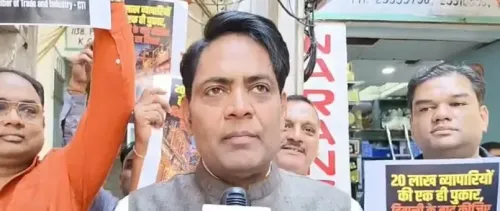
The Chamber of Trade and Industry (CTI), Delhi's apex body representing traders and entrepreneurs, on Wednesday, 28 October 2026, wrote an open letter to Rahul Gandhi, Leader of Opposition in the Lok Sabha, requesting a 20-minute meeting to discuss the potential business impact of the Congress-led INDIA bloc's November 1 rally at Ramlila Maidan in New Delhi. The letter, signed by CTI Chairman Brijesh Goyal, proposes that 20 representatives from 20 major wholesale markets near Ramlila Maidan attend the discussion.
The Proposal on the Table
CTI has put forward a straightforward challenge: if Gandhi can convince the assembled traders that the mega rally — expected to draw one million people — would boost footfall and expand their customer base, the organisation will immediately withdraw its opposition and welcome the event. Conversely, if the traders succeed in demonstrating that the rally would disrupt business in the 20 surrounding markets, they are asking Gandhi to postpone it until after Diwali.
“We want dialogue, not a fight,” Goyal said in the letter, invoking Gandhi’s own stated commitment to listening to small traders and marginalised voices. “Rahul Gandhi himself says that he listens to everyone and hears the voices of small traders. So, we, the traders from 20 markets, are asking him for 20 minutes. This would be the beauty of democracy,” Goyal added.
Which Markets Are at Risk
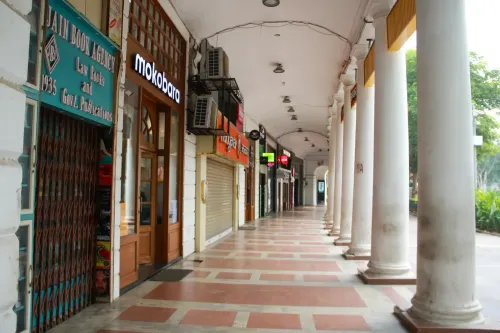
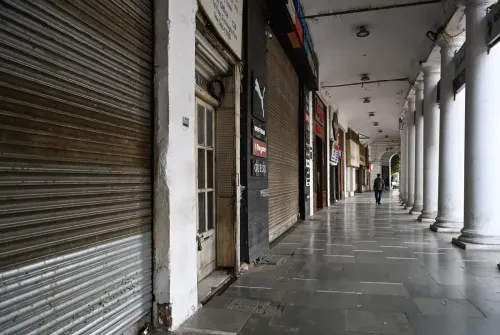
According to CTI, the affected markets fall within a radius of one to five kilometres of Ramlila Maidan. The 20 markets named include Chandni Chowk, Bhagirath Palace, Khari Baoli, Sadar Bazaar, Chawri Bazaar, Kashmere Gate, Nabi Karim, Karol Bagh, Ajmeri Gate, Daryaganj, Nai Sadak, Kinari Bazaar, Dariba Kalan, Fatehpuri, Naya Bazaar, Filmistan, Paharganj, Gaffar Market, Jama Masjid-Meena Bazaar, and Lajpat Rai Market.
These hubs collectively cover wholesale trade in electronics, electrical goods, spices, dry fruits, garments, jewellery, books, stationery, machinery, auto parts, furniture, timber, mobile phones, crockery, and grocery items — making them central to Delhi’s festive-season commerce.
Why the Timing Matters
The November 1 rally date falls in the critical run-up to Diwali, one of the highest-revenue periods in India’s retail calendar. Traders argue that anticipated crowd movement, traffic restrictions, and route diversions in the surrounding areas could significantly cut into a window that many small businesses rely on to meet annual targets. This is not the first time large political gatherings at Ramlila Maidan have drawn trader concern — the venue has historically been central to major national rallies, and commercial disruption in the old city’s dense wholesale belt is a recurring seasonal flashpoint.
The letter also invoked Gandhi’s own political rhetoric, quoting: “Rahul ji, you open a shop of love in the market of hatred, we respect you, but do not close the shop of love in the market of Diwali. We are the traders who are the true face of your shop of love.”
What Happens Next
CTI said it awaits a response from Gandhi’s office and has expressed hope that the meeting will take place before November 1. No response from the Indian National Congress (INC) or Gandhi’s office had been received at the time of publication. The outcome of the request — acceptance, rejection, or silence — could shape how the trade body responds in the days leading up to the rally.
Point of View
Not merely a commercial complaint — invoking Gandhi’s own ‘shop of love’ rhetoric turns his messaging into the very standard he is now being asked to meet. Scheduling a one-million-strong rally three days before Diwali in the heart of old Delhi’s wholesale belt reflects a gap between political optics and street-level economic reality. Ramlila Maidan has long been a battleground for political theatre, but the traders’ demand for a structured dialogue — rather than a protest — is a more sophisticated pressure tactic than the usual bandh call. Whether the Congress responds or stays silent, the framing has already done its work: Gandhi either listens to small traders, or he doesn’t.
NationPress
28 Oct 2026
Frequently Asked Questions
Why has the CTI written to Rahul Gandhi about the November 1 rally?
The Chamber of Trade and Industry (CTI) is concerned that the Congress-led INDIA bloc’s November 1 mega-rally at Ramlila Maidan will disrupt business in 20 major wholesale markets nearby during the peak Diwali shopping season. The body wrote an open letter requesting a 20-minute dialogue before the rally takes place.
What exactly is the CTI proposing to Rahul Gandhi?
CTI has proposed that 20 market representatives meet Gandhi for 20 minutes. If he convinces them the rally will benefit their business, they will withdraw opposition; if the traders convince him it will hurt business, he should postpone the rally until after Diwali.
Which Delhi markets could be affected by the Ramlila Maidan rally?
CTI has listed 20 markets within one to five kilometres of Ramlila Maidan, including Chandni Chowk, Sadar Bazaar, Khari Baoli, Karol Bagh, Paharganj, Gaffar Market, Dariba Kalan, and Daryaganj, among others. These markets trade in electronics, garments, spices, jewellery, and more.
How large is the November 1 INDIA bloc rally expected to be?
The rally at Ramlila Maidan is expected to draw approximately one million people, according to CTI’s letter. The anticipated crowd, combined with traffic restrictions and diversions, is what traders fear will disrupt commercial activity in the surrounding areas.
Has Rahul Gandhi or the Congress responded to the CTI letter?
As of the time of publication, no response had been received from Rahul Gandhi’s office or the Indian National Congress. CTI has expressed hope that a meeting will be arranged before November 1.