Assam CM Office: Agar Chips Exported to Dubai

Synopsis
The Chief Minister's Office of Assam announced the export of Agar chips to Dubai on 28 October 2026, positioning agarwood as a major new pillar of the state's economy and spotlighting over 50,000 farmers and workers in the sector.
Key Takeaways
The Chief Minister's Office of Assam announced an export of Agar chips to Dubai on 28 October 2026 .
The shipment is described as a milestone for Assam's global trade footprint in the agarwood sector.
Over 50,000 farmers and workers are cited as stakeholders in Assam's agarwood industry.
Dubai is the UAE's premier re-export hub for Oud and aromatic products, making it a strategic first destination.
The move aligns with Assam's push to diversify its economy beyond tea and petroleum into high-value aromatic crops.
Follow-up shipment volumes and state investment in processing and certification infrastructure will define the sector's long-term trajectory.
A fragrant corner of northeastern India just made its mark in the Gulf. The Chief Minister's Office of Assam announced on Wednesday, 28 October 2026 that a shipment of Agar chips has been exported to Dubai, calling it a significant milestone for the state's global trade ambitions and the farming communities driving the sector.
Agarwood: Assam's liquid gold heads to the Gulf
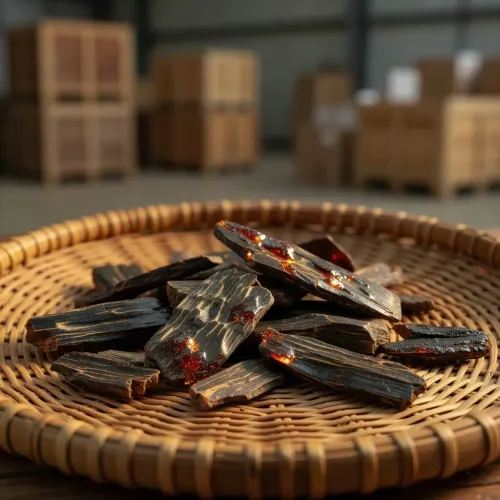
Agarwood — derived from the Aquilaria tree and prized across the Middle East, Southeast Asia, and beyond for its rich, resinous fragrance — is one of the most valuable aromatic commodities in the world. Assam has long been considered its natural home in India, and state authorities have been channelling that heritage advantage into a structured cultivation and export programme. The CMO's post cited the shipment as a 'major boost' for Assam's global trade footprint, referencing over 50,000 farmers and workers powering the sector.
Why Dubai, and why now
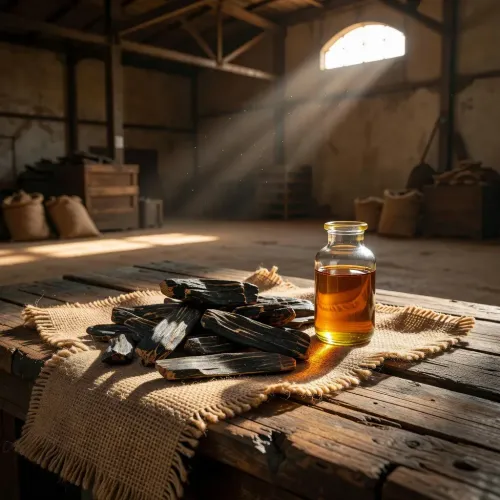
Dubai is no accidental destination. The UAE is one of the world's largest consumers of Oud — the perfumed oil derived from Agarwood — and serves as a re-export hub funnelling premium aromatic products across the Gulf, Europe, and East Asia. Routing a shipment there positions Assam's Agar directly inside the supply chain that feeds the global fragrance and luxury industry. It also aligns with India's broader bilateral trade push into West Asia, where Gulf markets have become increasingly central to agricultural diversification strategies.
A state economy looking beyond tea and oil
For decades, Assam's economic identity has rested on two pillars — tea and petroleum. The state is now visibly working to widen that base, with high-value aromatic crops like Agarwood emerging as a third pillar. Agarwood cultivation offers smallholder farmers a long-cycle but high-return crop, and government-backed export channels can dramatically raise the price realisation at the farm level compared to domestic wholesale markets. The scale of the farming community cited — 50,000-plus individuals — signals this is not a niche experiment but a sector the state is treating as a structural economic bet.
The key question now is whether this first documented shipment to Dubai catalyses repeat volume orders, and whether Assam builds out the processing and quality-certification infrastructure needed to compete at premium price points in global Oud markets. The fragrance is already world-class. The supply chain is the frontier.
Point of View
Where premium pricing is the norm. If the state can build certified, traceable supply chains, Agarwood could genuinely rival tea as an export story. The larger test is whether policy support translates into institutional infrastructure — grading, processing, and GI-mark enforcement — before competitor origins capture the Gulf shelf.
NationPress
28 Oct 2026
Frequently Asked Questions
What is Agarwood and why is it valuable?
Agarwood is a fragrant resinous wood derived from Aquilaria trees, prized globally for producing Oud oil used in luxury perfumes and incense. It commands among the highest prices of any aromatic raw material in world markets.
Why is Assam significant for Agarwood production in India?
Assam is considered India's natural heartland for Agarwood cultivation, with the Aquilaria species growing natively in its forests. The state has been developing structured cultivation programmes to harness this geographic and ecological advantage.
Why was Dubai chosen as the export destination for Assam's Agar chips?
Dubai is one of the world's largest consumers and re-export hubs for Oud and aromatic products, making it a strategic gateway to Gulf, European, and Asian fragrance markets. India has strong bilateral trade channels with the UAE that support such niche agricultural shipments.
How many farmers are involved in Assam's Agarwood sector?
The Chief Minister's Office of Assam cited over 50,000 farmers and workers as stakeholders powering the Agarwood sector in the state, though this figure has not been independently verified from established public records.
How does Agarwood fit into Assam's broader economic strategy?
Assam has historically depended on tea and petroleum as its primary economic pillars. Agarwood is being positioned as a high-value aromatic crop that can diversify the state economy, offer better price realisation for smallholder farmers, and generate foreign exchange through Gulf and global markets.