CM Himanta Flags Golaghat Agarwood Export to Dubai
Synopsis
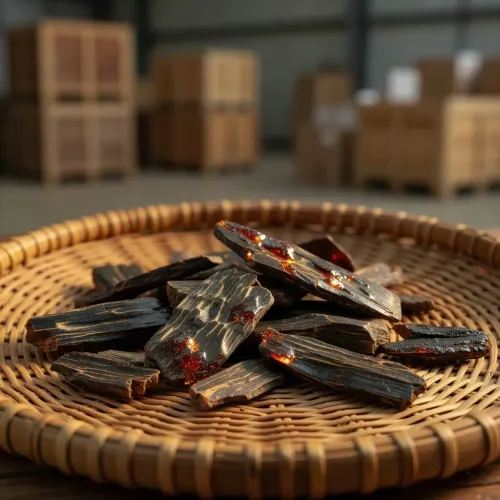
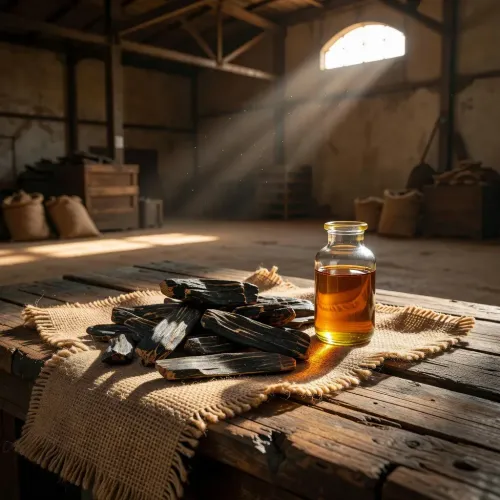
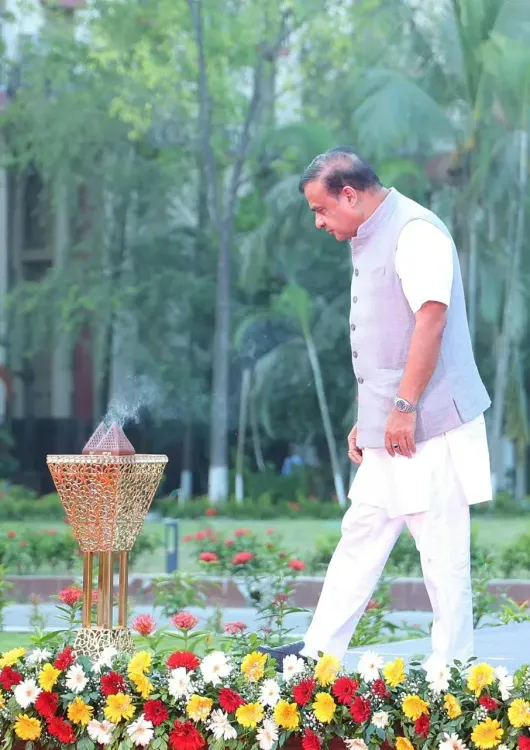
Assam CM Himanta Biswa Sarma announced on 26 October 2026 that agarwood chips from Golaghat are being exported to Dubai, reflecting the state's push to move high-value aromatic products into Gulf markets under its agricultural diversification drive.
Key Takeaways
Golaghat district in eastern Assam is the source of the agarwood chips consignment headed to Dubai .
Assam CM Himanta Biswa Sarma flagged the export on 26 October 2026 , framing it as Assam's aromatic produce 'taking on the world'.
The Assam government has supported agarwood cultivation under horticulture missions since the early 2020s as an alternative to tea and petroleum sectors.
Dubai is the world's largest trading hub for oud (agarwood) and a gateway to Gulf, European, and Southeast Asian buyers.
The shipment aligns with India-UAE bilateral trade frameworks aimed at expanding processed agricultural goods flows.
Sustained export volumes and formal buyer agreements will determine whether this marks a one-off milestone or the start of a durable trade corridor.
A fragrance born in the forests of eastern Assam is now clearing international runways. Assam Chief Minister Himanta Biswa Sarma announced on Monday, 26 October 2026 that agarwood chips from Golaghat district are en route to Dubai — marking a tangible leap for one of the state's most prized aromatic exports into a high-value Gulf market.
Golaghat's Agarwood Finds a Gulf Market
Agarwood — harvested from the Aquilaria tree and prized across the Middle East for incense, perfume, and traditional medicine — is among the most expensive natural commodities in the world by weight. Golaghat, nestled in eastern Assam, has quietly emerged as a cultivation hub as farmers move beyond the state's dominant tea and petroleum sectors toward higher-margin aromatic crops.
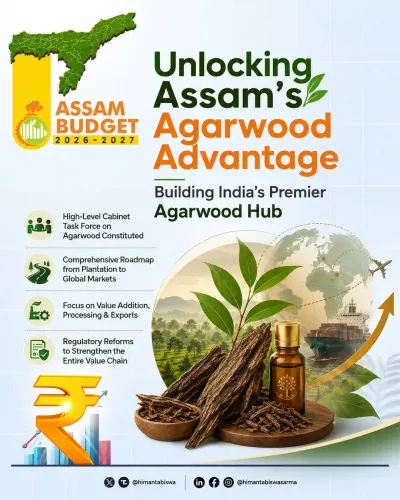
The Assam government has backed agarwood plantation and value-addition under its horticulture missions since the early 2020s, positioning the crop as a flagship diversification play. Sarma's post signals that this years-long upstream investment is now producing actual export consignments rather than pilot plots.
Why Dubai, and Why It Matters
Dubai is the world's single largest trading hub for oud — the Arabic name for agarwood — and serves as the primary re-export gateway to buyers across the Gulf, Europe, and Southeast Asia. Landing a consignment there is less a destination and more an entry ticket to a global aromatic economy estimated to be worth billions of dollars annually.
The shipment also fits within a broader bilateral trade framework between India and the UAE, under which both countries have worked to expand agricultural and processed-goods flows. For Assam specifically, diversifying exports away from bulk commodities — tea, crude — toward premium niche products is a stated economic priority under the Sarma administration.
What Agarwood Growers in Assam Stand to Gain
Agarwood cultivators in districts like Golaghat stand to benefit disproportionately if this export channel consolidates. The crop commands premium pricing at every stage — raw chips, processed oil, and resin — meaning even small-holder farmers with a few trees can generate income that dwarfs equivalent acreage under paddy or conventional horticulture.
The critical next step is whether this first consignment unlocks repeat orders, formal buyer agreements with UAE traders, and eventually a certified Assam-origin brand in Middle Eastern retail. A single flight to Dubai is a headline; a sustained trade corridor would be the real story.
Assam's forests have long perfumed the world in silence — now the state is finally signing the invoice.
Point of View
And agarwood — a globally recognised luxury commodity — lends that narrative unusual credibility. The deeper question is structural: whether the state's agarwood value chain has the certification infrastructure, processing capacity, and consistent supply to meet Gulf buyer standards at scale, or whether this consignment remains an isolated showcase. If the India-UAE bilateral trade architecture can be leveraged to formalise origin branding and reduce re-export intermediation, Assam's aromatic farmers could see income gains that outlast any political news cycle.
NationPress
26 Oct 2026
Frequently Asked Questions
What is agarwood and why is it valuable?
Agarwood is a dark, resinous heartwood produced by Aquilaria trees when infected by a specific mould. It is one of the most expensive natural raw materials in the world, prized in the Middle East, East Asia, and South Asia for incense, perfume oil (oud), and traditional medicine.
Which district in Assam produces agarwood for export?
Golaghat district in eastern Assam is a key agarwood cultivation hub, with the state government having promoted plantation and value-addition there since the early 2020s.
Why is Dubai a key market for Indian agarwood?
Dubai is the world's largest trading centre for oud (agarwood) and acts as a re-export gateway to buyers across the Gulf Cooperation Council countries, Europe, and Southeast Asia, making it the most strategically important entry point for any Indian aromatic exporter.
What is the Assam government doing to promote agarwood cultivation?
The Assam government has supported agarwood plantation and value-addition under state horticulture missions since the early 2020s, aiming to diversify the economy beyond tea and crude petroleum.
How does this export fit into India-UAE trade relations?
India and the UAE have bilateral trade frameworks that encourage expanded agricultural and processed-goods flows. The Golaghat agarwood consignment to Dubai aligns with this broader push to increase India's share of high-value aromatic and agricultural exports to Gulf markets.