Goyal Meets Dutch MPs, Eyes India-EU FTA Push
Synopsis
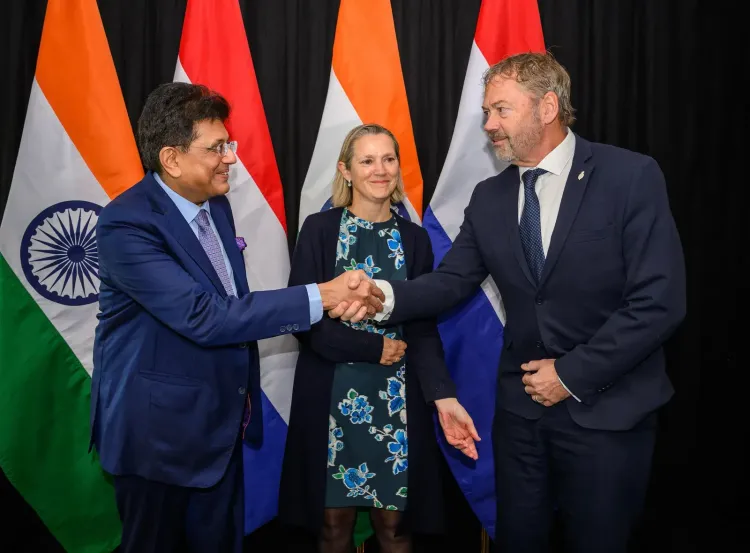
Commerce Minister Piyush Goyal met Dutch parliamentarians on 26 October 2026 to discuss the India-EU BTIA, market access, supply chain resilience, and joint ambitions in advanced manufacturing and renewable energy — injecting fresh diplomatic energy into a long-running trade negotiation.
Key Takeaways
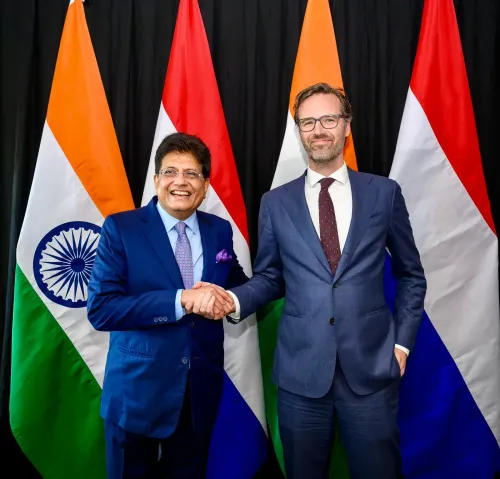
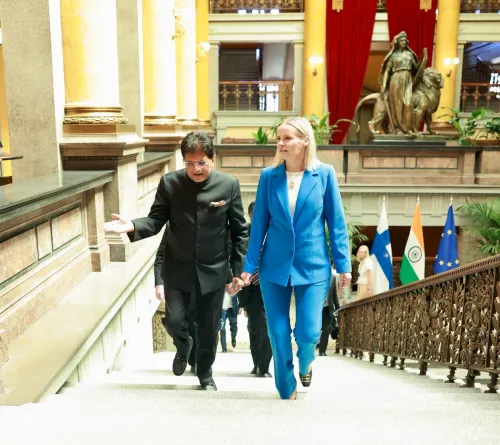
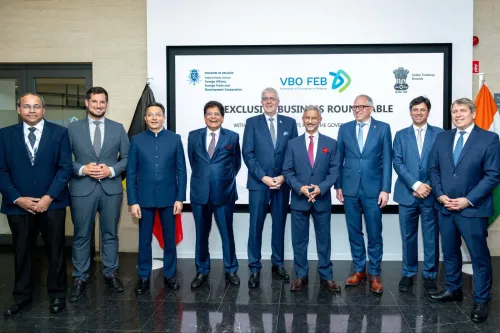
Piyush Goyal met Members of Parliament from the Netherlands on 26 October 2026 to explore new opportunities in India-Netherlands relations.
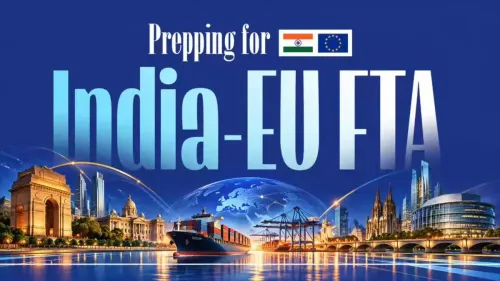
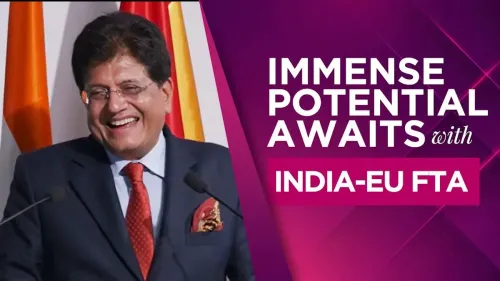
Discussions centred on the India-EU Broad-based Trade and Investment Agreement (BTIA) , with focus on market access, supply chain diversification, and fresh investment.
India and the EU formally resumed BTIA negotiations in June 2022 after a nine-year pause, with multiple rounds held since.
Goyal emphasised collaboration in advanced manufacturing, renewable energy, and innovation to build a future-oriented economic partnership.
The Netherlands is a key EU logistics and technology hub, making it a strategic partner for India's manufacturing and green-energy ambitions.
India has pursued multiple Western FTAs since 2022 as part of a broader strategy to diversify supply chains and attract high-value investment.
A conversation about supply chains, clean energy, and the slow-burning ambition of an India-EU trade deal — Union Commerce and Industry Minister Piyush Goyal met with Members of Parliament from the Netherlands on Monday, 26 October 2026, signalling fresh momentum in one of India's most strategically watched bilateral trade corridors.
The India-EU FTA: why the Netherlands matters now
The meeting centred squarely on the India-EU Broad-based Trade and Investment Agreement (BTIA) — a deal that was frozen for nine years before India and the European Union formally resumed negotiations in June 2022. The Netherlands, as a gateway economy within the 27-member EU bloc, carries outsized weight in that conversation: it is one of Europe's most significant logistics, technology, and agri-trade hubs, and Dutch institutional investors have a well-established footprint in Indian markets.
Goyal's pitch to the Dutch parliamentarians hit three specific notes — market access, supply chain diversification, and fresh investment flows — each of which maps directly onto the stated objectives of the BTIA currently under negotiation.
Advanced manufacturing, renewables, and the resilience argument
Beyond the FTA, the minister pushed for deeper collaboration in advanced manufacturing, renewable energy, and innovation. The framing was deliberate: India is positioning itself not merely as a consumer market but as a manufacturing and green-energy partner capable of absorbing European technology and capital to build what Goyal described as a 'resilient, future-oriented economic partnership.'
The Netherlands has been a notable source of sustainable infrastructure investment and precision-technology transfer — areas that align directly with India's push to upgrade its industrial base under domestic manufacturing programmes. For Dutch companies, India's scale in solar deployment and its growing electric mobility sector represent a compelling investment destination.
India's Western FTA sprint — and where the EU deal stands
Since 2022, India has moved aggressively to lock in trade agreements with Western economies, completing deals with the UAE and Australia and pressing ahead on negotiations with the UK and the EU. The strategic logic is consistent: reduce over-dependence on any single trade partner and plug Indian exporters into diversified, high-value supply chains.
The EU deal remains the most complex — covering goods, services, investment, and intellectual property across a bloc that is India's largest trading partner group. Parliamentary-level engagement, like today's meeting with Dutch MPs, helps build the political consensus inside the EU that such a wide-ranging agreement requires.
Multiple rounds of BTIA talks have been held since the 2022 resumption; the next round and any bilateral follow-up on manufacturing or renewables will be closely watched by Indian exporters and European investors alike.
Point of View
New Delhi is working to cultivate political goodwill inside EU member states, a necessary precondition for ratification of any eventual deal. The emphasis on renewables and advanced manufacturing signals that India is framing this relationship not as a market-access transaction but as a technology-and-capital partnership — a pitch designed to resonate with European industrial and climate policy priorities. Progress here would represent a significant step in India's post-2022 strategy of anchoring its economy within multiple Western supply-chain ecosystems simultaneously.
NationPress
26 Oct 2026
Frequently Asked Questions
What did Piyush Goyal discuss with Dutch MPs?
Goyal discussed expanding India-Netherlands relations, the potential of the India-EU Free Trade Agreement to boost market access and investment, and opportunities for collaboration in advanced manufacturing, renewable energy, and innovation.
What is the India-EU BTIA and where do negotiations stand?
The India-EU Broad-based Trade and Investment Agreement (BTIA) is a comprehensive trade deal covering goods, services, and investment. Negotiations were formally resumed in June 2022 after a nine-year pause, with multiple rounds held since then.
Why is the Netherlands important for India's trade strategy?
The Netherlands is a major EU logistics, technology, and agri-trade hub and a source of sustainable investment. Engaging Dutch parliamentarians helps build political support within the EU for a broad India-EU trade agreement.
How does this meeting fit into India's broader FTA push?
Since 2022, India has actively pursued trade agreements with Western economies to diversify supply chains. Deals with the UAE and Australia have been completed, while negotiations with the UK and EU remain ongoing priorities.
What sectors are India and the Netherlands looking to collaborate on?
Advanced manufacturing, renewable energy, and innovation were highlighted as key areas for collaboration, aimed at building a resilient and future-oriented economic partnership between the two countries.