Piyush Goyal at India-EU Business Roundtable, FTA in focus
Synopsis
Commerce Minister Piyush Goyal joined industry leaders from India and Europe at the India-EU Business Roundtable on 15 July 2026, focusing on translating the India-EU Free Trade Agreement into concrete trade, investment and technology opportunities for businesses on both sides.
Key Takeaways
Piyush Goyal participated in the India-EU Business Roundtable on 15 July 2026 with industry leaders from India and Europe.
Discussions centred on trade, investment, technology, innovation and new avenues for business partnerships.
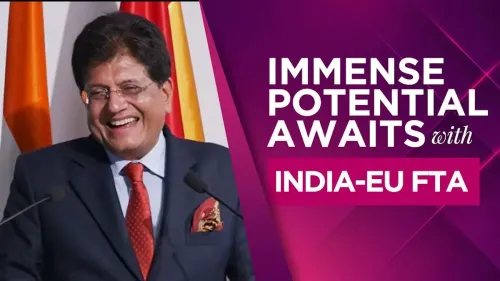
The India-EU Free Trade Agreement was described as 'opening a new chapter,' with focus now on delivering tangible outcomes.
India-EU FTA negotiations were originally launched in 2007 , suspended in 2013 , and formally relaunched in June 2022 .
The EU is India's largest trading partner in goods and services, with both sides seeking supply-chain diversification.
Key beneficiaries include Indian exporters in textiles, pharma and IT, and European investors in green technology and manufacturing.
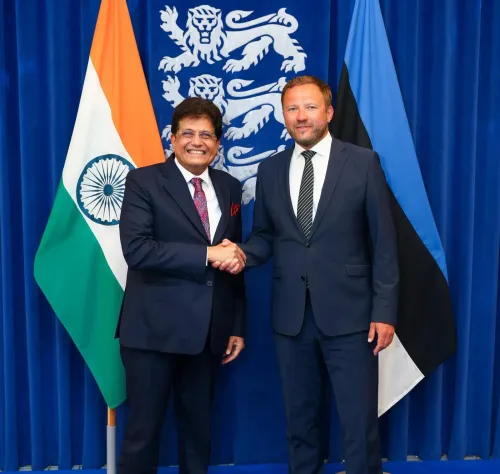
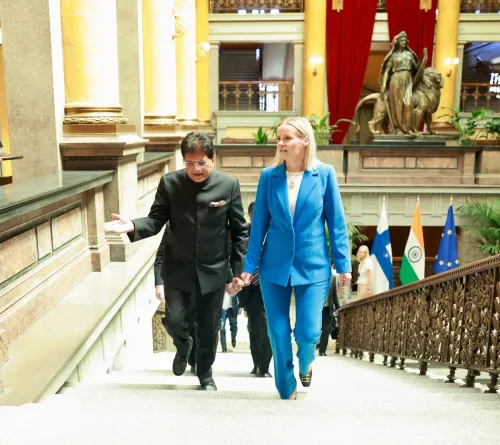
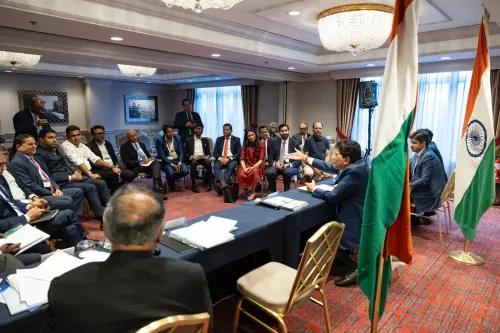
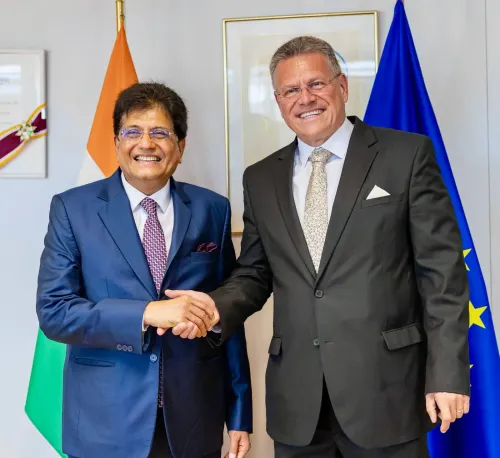
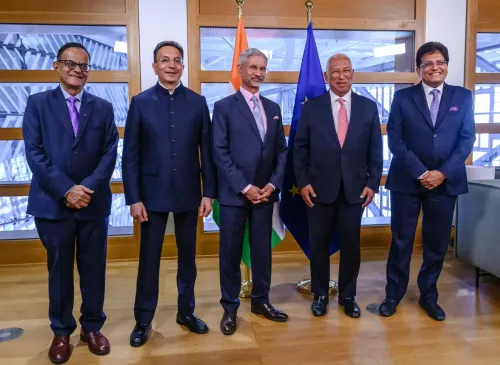
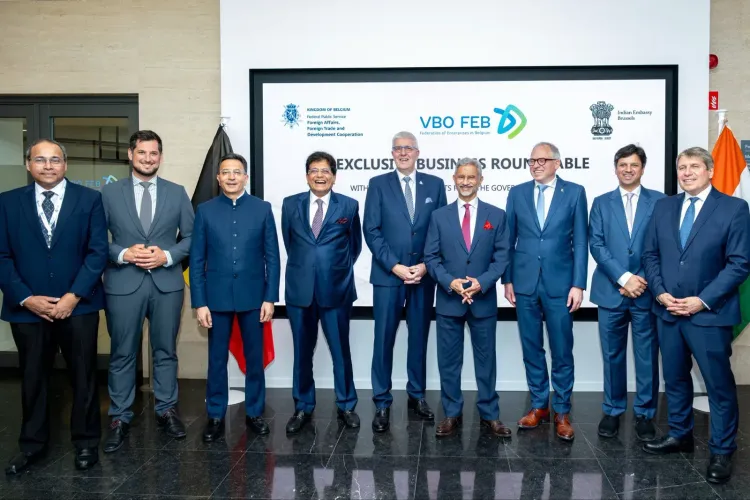
Union Commerce and Industry Minister Piyush Goyal participated in the India-EU Business Roundtable on Wednesday, 15 July 2026, holding discussions with industry leaders from India and Europe alongside ministerial colleagues, with the India-EU Free Trade Agreement at the centre of the agenda.
Context
Goyal described the interactions as 'meaningful', noting that discussions reflected 'a shared commitment to expanding economic engagement through deeper collaboration in trade, investment, technology and innovation.' The roundtable also focused on 'identifying new avenues for business partnerships,' according to his post on X.
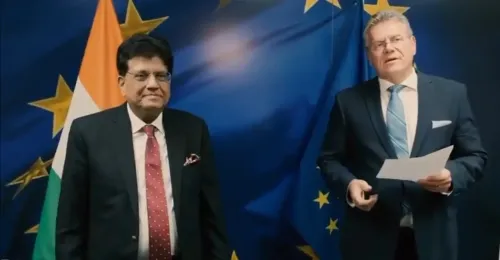
The minister tagged two European counterparts — @MDiependaele and @ADolimont — signalling ministerial-level participation from the European side, though their specific portfolios could not be independently verified at the time of publication.
Policy Backdrop
The India-EU Free Trade Agreement, formally known as the Broad-based Trade and Investment Agreement, has a long negotiating history. Talks were first launched in 2007 but were suspended in 2013 after failing to bridge differences on market access and intellectual property.
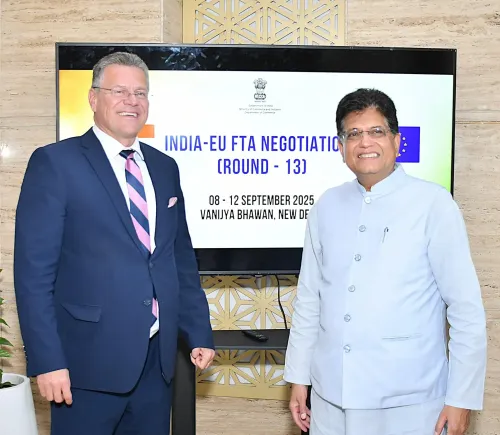
Negotiations were formally relaunched in June 2022 with a fresh mandate covering market access, sustainable development and regulatory cooperation. The European Union is India's largest trading partner in goods and services, and both sides have sought to deepen ties as part of post-pandemic supply-chain diversification strategies.
Goyal's post signals that the FTA has now progressed to a stage where both governments are focused on 'translating its potential into tangible opportunities for businesses, strengthening value chains and driving sustainable growth across both economies.'
Stakeholders and Impact
Indian exporters in sectors such as textiles, pharmaceuticals, engineering goods and IT services stand to benefit from improved market access to the 27-nation EU bloc. European investors, particularly in green technology and advanced manufacturing, are likewise eyeing India's expanding consumer and industrial market.
Business roundtables of this nature serve as parallel tracks alongside formal government negotiations, ensuring that private-sector concerns and opportunities are fed directly into the policy process. The emphasis on 'technology and innovation' in Goyal's statement points to a broadening of the agenda beyond traditional goods trade.
India has simultaneously accelerated FTA negotiations with the UK, Australia and the EFTA bloc, reflecting a wider strategic push to diversify trade relationships and reduce dependence on any single market or supply chain.
What's Next
With the FTA described as 'opening a new chapter,' attention will now shift to the next formal negotiating round and any interim deliverables — particularly on investment facilitation and green-technology collaboration. Concrete sectoral roadmaps and value-chain integration plans are expected to follow from the roundtable's discussions.
As India's trade diplomacy intensifies across multiple fronts, the India-EU partnership is increasingly seen as a strategic pillar — one that combines market access goals with broader geopolitical interests in diversifying global supply chains away from over-concentration in any single geography.
Point of View
Where ministerial-level roundtables are increasingly used to lock in private-sector buy-in ahead of formal deal closures. The tagging of European ministerial counterparts further signals that this was a substantive, coordinated engagement rather than a ceremonial forum.
NationPress
14 Oct 2026
Frequently Asked Questions
What is the India-EU Free Trade Agreement?
The India-EU Free Trade Agreement, formally called the Broad-based Trade and Investment Agreement, is a comprehensive pact aimed at cutting tariffs, opening services and investment, and aligning regulatory standards between India and the 27-nation European Union. Negotiations were first launched in 2007, suspended in 2013, and relaunched in June 2022.
What happened at the India-EU Business Roundtable on 15 July 2026?
Commerce Minister Piyush Goyal held discussions with industry leaders from India and Europe alongside ministerial colleagues, focusing on trade, investment, technology and innovation, and identifying new business partnership opportunities under the India-EU FTA framework.
What is the current status of India-EU FTA negotiations?
As of July 2026, negotiations appear to have reached a stage where both sides are focused on translating the agreement's potential into tangible outcomes, including strengthening value chains and driving sustainable growth, according to Minister Goyal's statement.
Why is the India-EU trade relationship significant?
The European Union is India's largest trading partner in goods and services. Deepening this relationship through an FTA would benefit Indian exporters in sectors like textiles, pharmaceuticals and IT, while giving European investors greater access to India's growing market.
How does the India-EU FTA fit into India's broader trade strategy?
India has simultaneously pursued FTAs with the UK, Australia and the EFTA bloc as part of a post-pandemic strategy to diversify trade relationships and reduce dependence on any single market or supply chain, with the EU partnership seen as a strategic pillar.