Piyush Goyal Meets Flanders Leaders, Cites India-EU FTA Opportunity
Synopsis
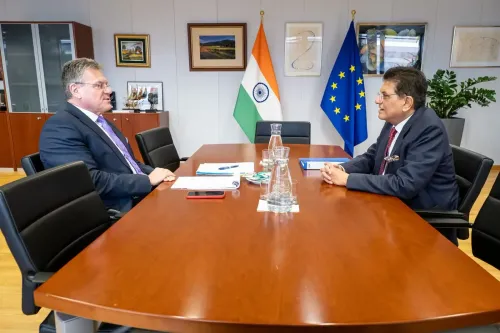
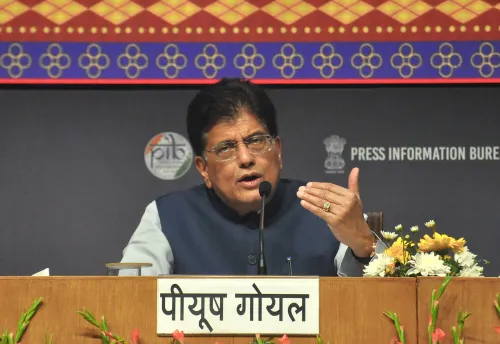
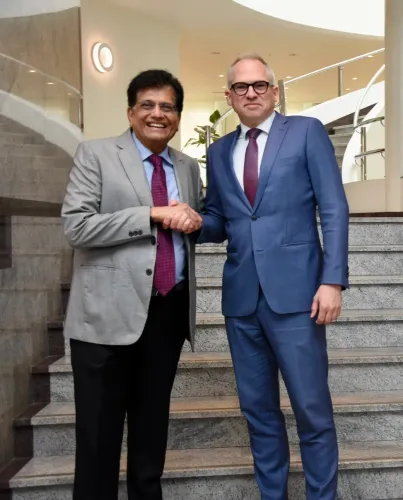
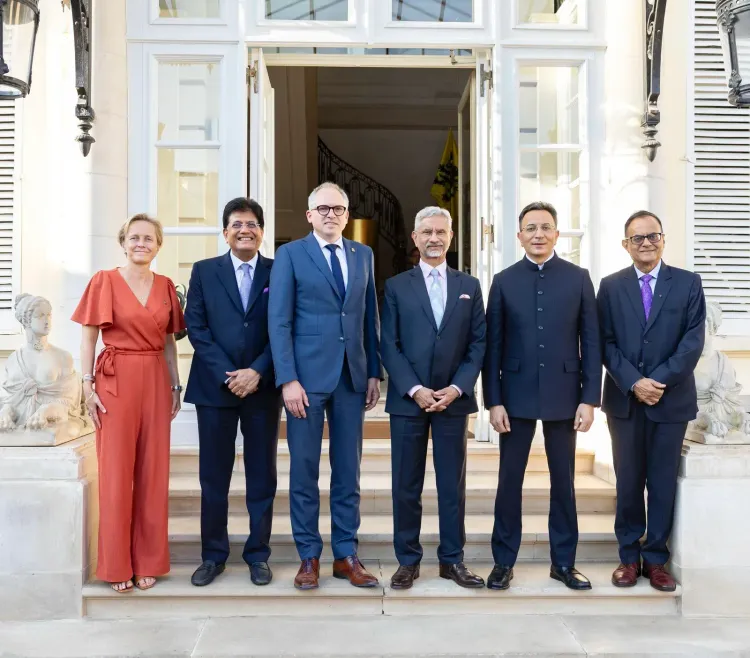
Union Commerce Minister Piyush Goyal met Flanders Minister-President Matthias Diependaele and Minister Annick De Ridder in Belgium on 15 July 2026. Goyal called the India-EU FTA a significant opportunity to elevate India-Belgium economic ties and expressed interest in deeper collaboration with Flanders in trade, investment, and innovation.
Key Takeaways
Union Commerce Minister Piyush Goyal met Flanders Minister-President Matthias Diependaele and Minister Annick De Ridder in Belgium on 15 July 2026 .
Goyal described the India-EU Free Trade Agreement as a 'significant opportunity' to elevate India-Belgium economic ties.
The India-EU FTA was originally launched in 2007 and formally relaunched in June 2022 after a prolonged pause.
Flanders is a key European economic hub, home to the Port of Antwerp , with strengths in logistics, chemicals, and life sciences.
India is pursuing a dual-track strategy: central FTA negotiations with the EU alongside direct engagement with influential member-state regions.
Follow-up outcomes to watch include potential memoranda on port logistics or startup and innovation collaboration between Flanders and India.
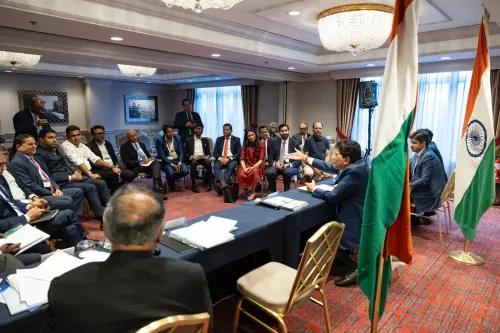
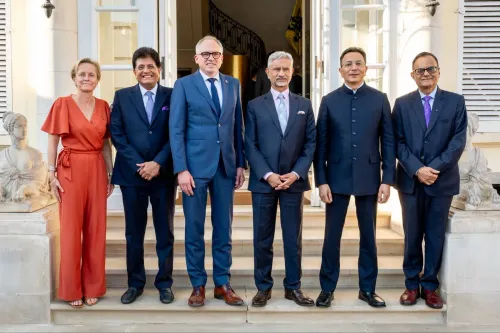
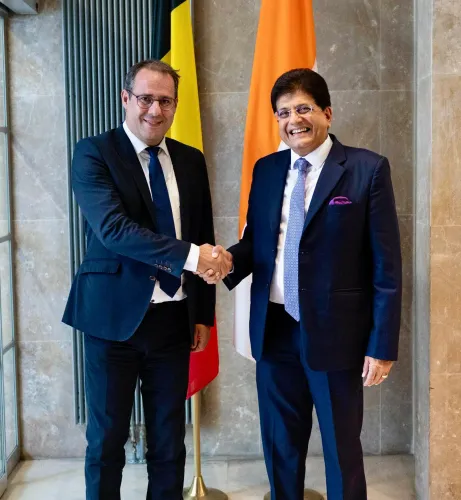
Union Commerce and Industry Minister Piyush Goyal met with Minister-President of Flanders Matthias Diependaele and Flemish Minister Annick De Ridder in Belgium on Wednesday, 15 July 2026, expressing optimism that the ongoing India-EU Free Trade Agreement negotiations could significantly deepen bilateral economic ties between India and the Flanders region.
Context
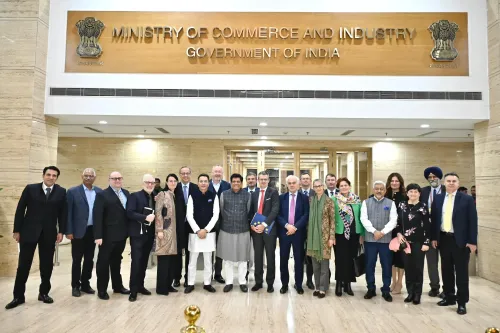
Minister Goyal thanked both Flemish leaders for hosting the Indian delegation, stating that 'the India-EU FTA presents a significant opportunity to elevate India-Belgium economic ties.' He also looked forward to 'greater collaboration with the Flanders region in trade, investment, and innovation.' The visit signals India's intent to engage not just EU institutions centrally but also key economic regions within member states.
Flanders is the northern economic powerhouse of Belgium, home to the Port of Antwerp — one of Europe's largest cargo hubs — and carries significant strengths in logistics, chemicals, life sciences, and technology. Its regional government holds substantial authority over economic policy and foreign trade promotion, making it a critical interlocutor for Indian investment outreach.
Policy Backdrop
The India-EU Broad-based Trade and Investment Agreement was first launched in 2007 before stalling over differences on tariffs, intellectual property, and government procurement. Talks were formally relaunched in June 2022, setting off a renewed push to conclude a comprehensive deal covering goods, services, investment, and regulatory cooperation across all 27 EU member states.
India has adopted a dual-track approach: engaging Brussels at the negotiating table while simultaneously cultivating direct economic relationships with influential EU regions such as Flanders. This strategy is designed to build on-the-ground commercial momentum that can complement and reinforce the broader FTA process.
Stakeholders and Impact
A concluded India-EU FTA would open significant opportunities for Indian exporters in sectors such as textiles, pharmaceuticals, engineering goods, and IT services, while giving Flemish investors improved access to India's manufacturing and consumer markets. The Port of Antwerp already handles a substantial share of India-Europe cargo, and deeper collaboration could enhance logistics corridors and reduce trade friction.
Technology and innovation firms on both sides stand to benefit from any follow-up agreements on startup collaboration or research partnerships. Belgium has historically been a major trading partner for India in diamonds, pharmaceuticals, and chemicals, and the Flanders region's strengths in life sciences and advanced manufacturing align closely with India's industrial priorities under schemes like Make in India.
What's Next
Attention will now turn to progress on the remaining negotiating chapters of the India-EU FTA and whether the Goyal-Flanders meeting produces any formal follow-up instruments, such as a memorandum of understanding on port logistics or an innovation partnership framework. Minister Goyal's visit to Flanders reflects a broader Indian diplomatic push to build durable sub-national ties across Europe that can survive shifts in central government priorities on either side.
As India seeks to diversify its export markets and attract high-quality foreign investment, sustained engagement with economically powerful European regions like Flanders could prove as consequential as progress at the EU negotiating table itself.
Point of View
With its port infrastructure and export-oriented industries, is not a symbolic stop but a materially significant partner for India's manufacturing and logistics ambitions. The outreach also signals confidence that the relaunched India-EU FTA talks have enough momentum to warrant pre-positioning on implementation. If a deal is concluded, regions like Flanders that have already built institutional relationships with Indian counterparts will be best placed to capture early gains.
NationPress
13 Oct 2026
Frequently Asked Questions
What is the India-EU FTA and where do negotiations stand?
The India-EU Free Trade Agreement is a comprehensive deal covering goods, services, investment and regulatory cooperation between India and all 27 EU member states. Talks were first launched in 2007, stalled for years, and were formally relaunched in June 2022. As of mid-2026, negotiations on several chapters are ongoing.
Why did Piyush Goyal visit Flanders specifically?
Goyal met Flanders Minister-President Matthias Diependaele and Minister Annick De Ridder as part of India's strategy to build direct economic ties with key EU regions alongside the central FTA negotiations. Flanders is a major economic hub with strengths in logistics, chemicals and life sciences that align with Indian trade interests.
What economic ties already exist between India and Belgium?
India and Belgium have longstanding commercial links in diamonds, pharmaceuticals, engineering goods and chemicals. The Port of Antwerp in Flanders handles a significant share of India-Europe cargo, making the region a natural partner for deeper trade and logistics collaboration.
What could come out of the India-Flanders meeting?
Potential outcomes include a memorandum of understanding on port logistics, innovation partnerships, or startup collaboration frameworks between Flanders and India. Any such agreements would complement the broader India-EU FTA once concluded.
How does Flanders' regional government engage in trade diplomacy?
The Flemish government holds substantial authority over economic policy and foreign trade promotion under Belgium's federal structure. Minister-President Matthias Diependaele leads this regional government, which actively pursues investment and trade partnerships independently of the Belgian federal government.