Khattar at Surajkund Diwali Mela closing: buy swadeshi this Diwali
Synopsis
Union Minister Manohar Lal Khattar closed the third Surajkund Diwali Mela on Maharshi Valmiki Jayanti, hailing it as a platform for artisans and calling on Indians to embrace swadeshi this Diwali under the Atmanirbhar Bharat spirit.
Key Takeaways
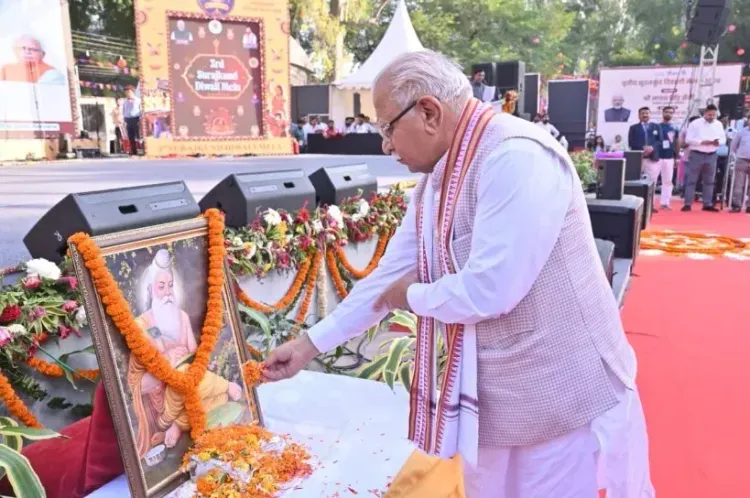
Union Minister Manohar Lal Khattar attended the closing ceremony of the third Surajkund Diwali Mela on 26 October 2026 .
The event coincided with Maharshi Valmiki Jayanti , honouring the revered Adi Kavi and author of the Ramayana.
Khattar described the mela as a platform merging self-reliance, women's empowerment, and social unity .
Guest artists from multiple states reflected the spirit of the Ek Bharat Shreshtha Bharat programme, launched in 2015 .
The minister invoked the Atmanirbhar Bharat Abhiyan ( May 2020 ) and called on citizens to adopt slogans: 'Har ghar swadeshi' and 'Garv se kaho, ye swadeshi hai' .
The appeal specifically targets Diwali consumer spending to benefit local craftspeople and artisan clusters.
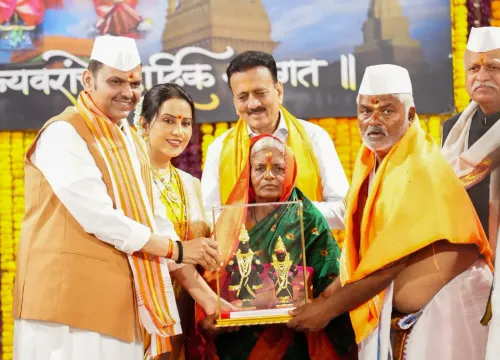
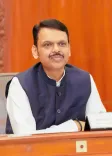
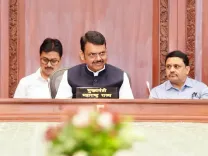
On the auspicious occasion of Maharshi Valmiki Jayanti, Union Minister Manohar Lal Khattar attended the closing ceremony of the third Surajkund Diwali Mela on Monday, 26 October 2026 — calling on every Indian household to make swadeshi not just a purchase, but a way of life this festive season.
Khattar described the fair as a vital platform that places skilled craftsmen, artisans, and artists directly before consumers, bypassing intermediaries and putting more value in the hands of the creator. In his words, the mela has evolved into 'aatmanirbharta, mahila sashaktikaran aur samajik ekta ka virat samagam' — a grand confluence of self-reliance, women's empowerment, and social unity.
Valmiki Jayanti as the backdrop — a deliberate pairing
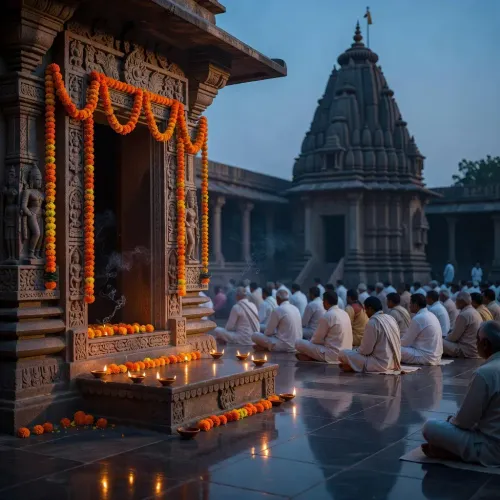
The choice of date was symbolic. Maharshi Valmiki — revered across India as Adi Kavi, the first poet, and author of the Sanskrit epic Ramayana — is celebrated annually on the full moon of the Hindu month of Ashwin. Anchoring a crafts mela closing ceremony to this day frames artisanship itself as a form of creative lineage, connecting contemporary makers to a civilisational tradition of expression.
Guest artists from across India and the 'Ek Bharat' thread
Khattar noted that performances and contributions by guest artists from multiple states gave the mela a distinctly national character, describing it as a living glimpse of 'Ek Bharat Shreshtha Bharat' — the 2015 Government of India initiative designed to strengthen national integration through cultural exchange. The programme pairs states and union territories in rotating partnerships, encouraging their communities to share language, cuisine, craft, and art. Surajkund, located in Haryana, has long been associated with large crafts fairs that draw artisans from every corner of the country, making it a natural fit for such inter-state cultural programming.
The swadeshi call: 'Har ghar swadeshi, ghar-ghar swadeshi'
The sharpest edge of Khattar's message was directed at consumers heading into the Diwali shopping season. He urged citizens to adopt two slogans as personal commitments: 'Har ghar swadeshi, ghar-ghar swadeshi' (Swadeshi in every home, swadeshi in home after home) and 'Garv se kaho, ye swadeshi hai' (Say with pride, this is swadeshi). The appeal is a direct extension of the Atmanirbhar Bharat Abhiyan, launched in May 2020, which has consistently used festival seasons as moments to redirect consumer spending toward local producers and artisan clusters.
The logic is straightforward: Diwali is India's single largest retail consumption event. Steering even a fraction of that spending toward local craftspeople has an outsized multiplier effect on informal-sector incomes — precisely the constituency that craft melas like Surajkund are designed to serve.
With Diwali lights going up across the country, Khattar's message lands as both a cultural reminder and an economic nudge — the handmade diya on your shelf is also someone's livelihood.
Point of View
Which has become a standard feature of major government-backed cultural programming. With Diwali as the backdrop, the messaging is optimally timed: a call to buy local resonates when wallets are already open.
NationPress
26 Oct 2026
Frequently Asked Questions
What is the Surajkund Diwali Mela?
The Surajkund Diwali Mela is a crafts fair held at Surajkund in Haryana that provides skilled artisans, craftsmen, and artists a direct platform to showcase and sell their products to consumers, with the third edition closing on 26 October 2026.
What is 'Ek Bharat Shreshtha Bharat'?
'Ek Bharat Shreshtha Bharat' is a Government of India initiative launched in 2015 to promote national integration by encouraging cultural exchange — including art, craft, language, and cuisine — between different states and union territories.
What is Atmanirbhar Bharat Abhiyan?
Atmanirbhar Bharat Abhiyan is a self-reliance campaign announced in May 2020 to promote indigenous manufacturing and reduce India's dependence on imports, often reinforced during festival seasons by encouraging citizens to buy locally made products.
Why did Khattar ask people to buy swadeshi products at Diwali?
Khattar urged consumers to choose locally made, swadeshi products during Diwali to directly support artisans and craftspeople, reinforcing the Atmanirbhar Bharat goal of channelling India's massive festival-season consumer spending toward domestic producers.
Who was Maharshi Valmiki and why is his Jayanti celebrated?
Maharshi Valmiki is revered in ancient Indian tradition as Adi Kavi — the first poet — and the author of the Sanskrit epic Ramayana. His Jayanti is observed annually on the full moon of the Hindu month of Ashwin to honour his literary and spiritual legacy.