Kishan Reddy Meets CII Delegation in Sydney on Mining Ties
Synopsis
Union Coal and Mines Minister G. Kishan Reddy met a CII delegation and industry professionals in Sydney on 28 October 2026, holding discussions on mining investment opportunities and the future of the sector under the India-Australia ECTA framework.
Key Takeaways
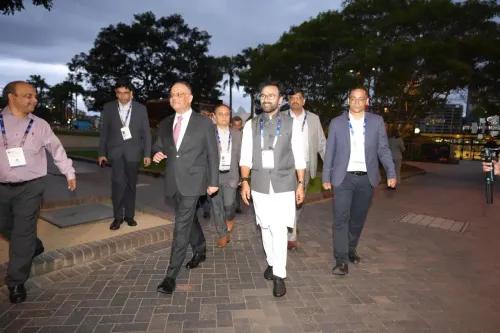
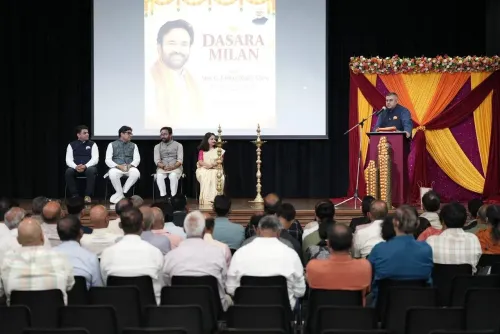
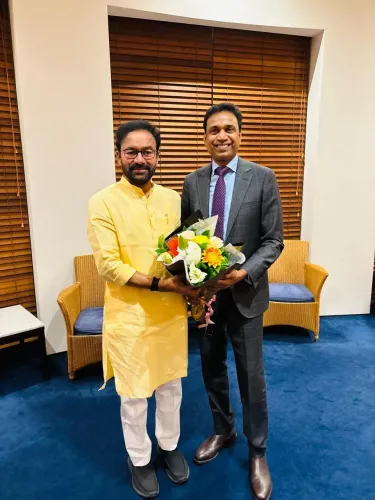
Kishan Reddy , Union Minister of Coal and Mines, met a CII delegation and industry professionals in Sydney, Australia on 28 October 2026 .
Discussions centred on investment opportunities and the future of the mining sector.
The engagement aligns with the India-Australia Economic Cooperation and Trade Agreement (ECTA) , signed in 2022 , which reduced tariffs on minerals and resources.
The visit supports India's strategy of securing critical mineral supplies for its manufacturing and renewable energy goals.
The National Mineral Policy 2019 provides the domestic regulatory framework for attracting foreign investment into India's mining sector.
Follow-up announcements on any memoranda of understanding or investment proposals from the Sydney meeting are expected to be the key outcomes to watch.
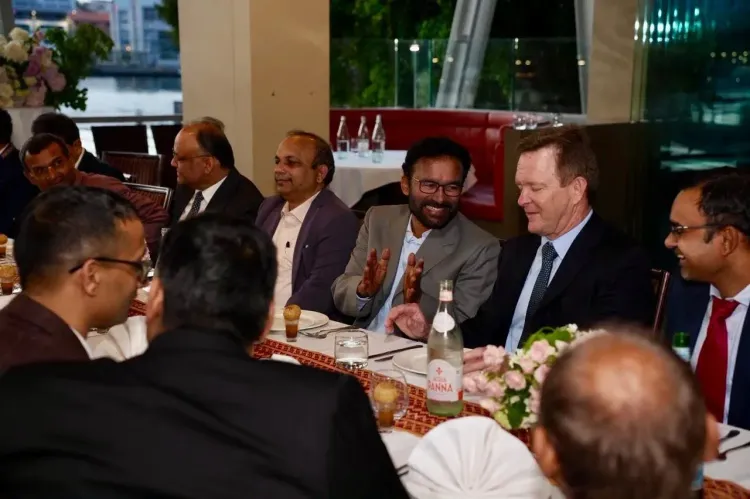
From Sydney's boardrooms, Union Coal and Mines Minister G. Kishan Reddy is making a direct pitch to industry: India's mining sector is open, ambitious, and looking for partners. On Wednesday, 28 October 2026, Reddy met with a Confederation of Indian Industry (CII) delegation and industry professionals in Sydney, Australia, describing the exchange as a 'constructive' dialogue on investment opportunities and the future of the mining sector.
Why Sydney, Why Now
The visit is not incidental. Australia sits at the centre of India's critical minerals strategy — a country endowed with vast reserves of coal, iron ore, lithium, and rare earths that India needs for its manufacturing ambitions and the pivot to renewable energy. The two nations cemented their economic relationship with the India-Australia Economic Cooperation and Trade Agreement (ECTA), signed in 2022, which cut tariffs on minerals and resources and signalled mutual intent to deepen the supply-chain relationship.
These Sydney-style engagements — a minister, a CII delegation, and the resident Indian mission — have become a recognisable template for India's overseas resource outreach. The Consulate General of India in Sydney and the High Commission of India in Canberra were both tagged in Reddy's post, underlining the diplomatic scaffolding behind what looks like a business dinner.
The Policy Architecture Behind the Handshake
Reddy's outreach sits squarely within the framework of National Mineral Policy 2019, which was designed to attract foreign direct investment and modernise mining governance in India. The policy opened the door for greater private and foreign participation in a sector long dominated by state-run entities. Australia, with its stable regulatory environment and complementary resource base, has emerged as a primary destination for such outreach.
India's demand side is equally compelling. The country's renewable energy targets — and the battery storage, transmission infrastructure, and electronics manufacturing they require — depend heavily on a steady supply of critical minerals. Locking in long-term supply partnerships with resource-rich democracies is increasingly a strategic, not merely commercial, imperative.
What the CII's Presence Signals
The Confederation of Indian Industry routinely accompanies ministers on overseas visits, translating political intent into business-to-business dialogue. Its presence in Sydney alongside Reddy signals that the conversations are meant to move beyond goodwill — toward investible propositions, joint ventures, or supply agreements that Indian industry can anchor. Any memoranda of understanding or investment proposals that emerge from these discussions will be the real measure of the visit's weight.
For now, the minister has set the table. Whether concrete deals follow is the story to watch.
Point of View
Minister-led push to convert India's critical minerals demand into durable bilateral supply arrangements — a shift from passive import reliance to active diplomatic procurement. Australia is the centrepiece of this strategy because it offers political stability, English-language legal frameworks, and a resource base that mirrors India's import needs almost exactly. The deployment of CII alongside the ministry signals that this is not purely diplomatic theatre — the government wants industry to co-own the outcomes. Whether the Sydney conversations translate into binding agreements will test whether India's overseas mining diplomacy has moved from intent to execution.
NationPress
28 Oct 2026
Frequently Asked Questions
Why did Kishan Reddy visit Sydney in October 2026?
Union Coal and Mines Minister G. Kishan Reddy visited Sydney to meet a CII delegation and industry professionals for discussions on mining investment opportunities and the future of the sector, as part of India's broader effort to secure critical mineral supply partnerships with Australia.
What is the India-Australia ECTA and how does it relate to mining?
The India-Australia Economic Cooperation and Trade Agreement (ECTA), signed in 2022, reduced tariffs on minerals and resources traded between the two countries, making it easier for Indian companies to access Australian coal, iron ore, and critical minerals.
What is the CII's role in India's overseas mining diplomacy?
The Confederation of Indian Industry (CII) accompanies ministers on overseas visits to translate political intent into business dialogue, helping facilitate joint ventures, supply agreements, and investment proposals between Indian and foreign industry players.
What is India's National Mineral Policy 2019?
The National Mineral Policy 2019 was designed to modernise mining governance in India and attract foreign direct investment by opening the sector to greater private and overseas participation.
Why is Australia important for India's critical minerals strategy?
Australia holds significant reserves of lithium, rare earths, coal, and iron ore that India needs for its manufacturing base and renewable energy transition. Its stable regulatory environment makes it a primary destination for Indian resource-sector outreach.