Dr. Jitendra Singh: No Damage to 540 MW KWAR Project After Kishtwar Flash Flood
Synopsis
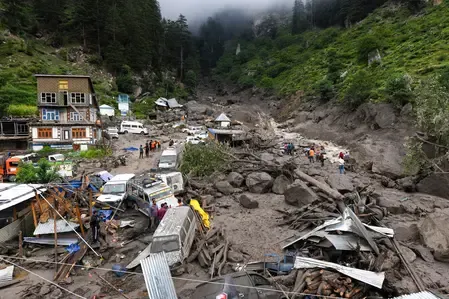
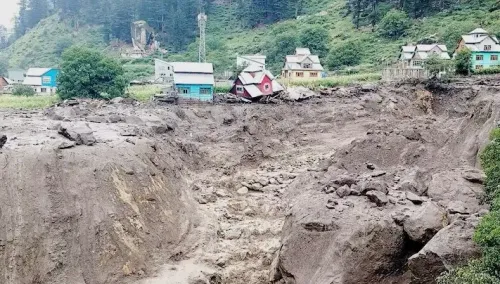
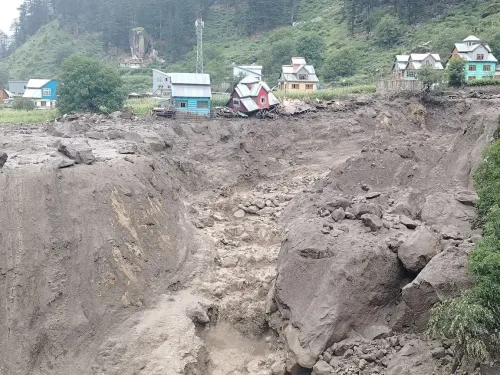
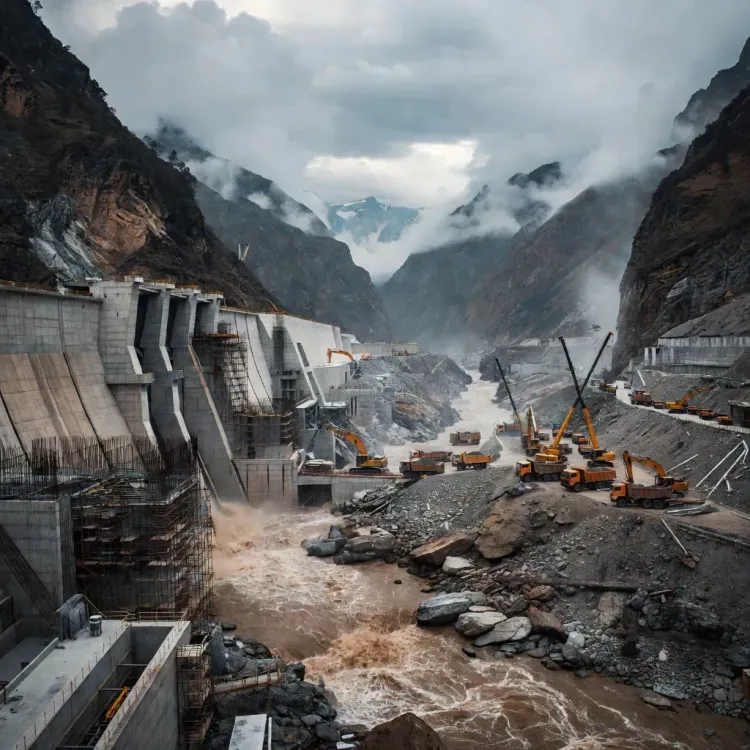
Union Minister Dr. Jitendra Singh confirmed on 6 July 2026 that flash flood water entered the 540 MW KWAR Hydroelectric Project site in Kishtwar, Jammu and Kashmir, but caused no structural damage, no machinery loss, and no casualties, after direct coordination with the Divisional Commissioner.
Key Takeaways
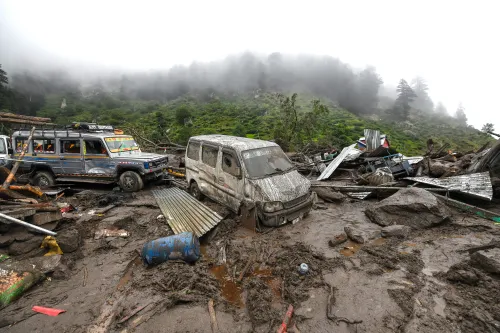
Flash flood water entered the premises of the under-construction 540 MW KWAR Hydroelectric Project in Kishtwar on 6 July 2026 .
Jitendra Singh personally contacted Divisional Commissioner Ramesh Kumar to get a ground-level situation report.
There was no loss of life or property as a result of the flooding at the project site.
Project machinery was removed preemptively and sustained no damage .
All structural components of the under-construction project remain fully intact .
The KWAR project is part of India's hydropower expansion in the Chenab basin , central to J&K's energy security plans.
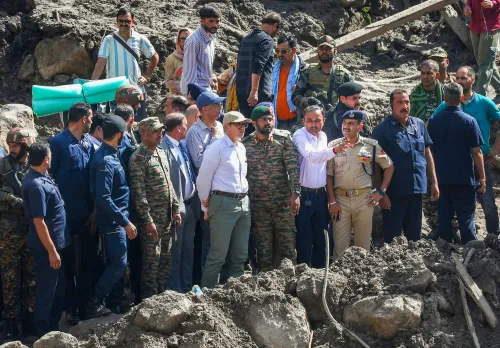
Union Minister of State (Independent Charge) for Science and Technology and Earth Sciences Dr. Jitendra Singh on Monday, 6 July 2026, confirmed that the under-construction 540 MW KWAR Hydroelectric Project in Kishtwar, Jammu and Kashmir, suffered no structural damage after flash flood water entered the project premises, and that there was no loss of life or property.
Context
Dr. Singh stated that he personally spoke to Divisional Commissioner Sh. Ramesh Kumar after receiving news of flash flood water gushing into the premises of the under-construction project. In his post, he noted: 'Luckily there is no loss of life or property. Some of the project related machinery has also been removed without any damage.'
The minister further confirmed that 'every component of the under construction project remains intact without any damage whatsoever,' concluding with a reassurance: 'No cause of worry.'
Policy Backdrop
The 540 MW KWAR Hydroelectric Project is a run-of-river scheme on the Chenab basin in Kishtwar district, forming part of India's broader push to expand hydropower capacity in Jammu and Kashmir following the region's reorganisation in 2019. The Chenab basin hosts several such under-construction projects that are central to India's renewable energy targets.
Hydroelectric infrastructure in the Himalayan belt faces recurrent exposure to flash floods driven by extreme rainfall events and glacial melt. Central and state authorities have emphasised structural safety audits and climate-resilient design standards for projects in this corridor as part of ongoing risk-mitigation frameworks.
Stakeholders and Impact
The immediate stakeholders include construction workers and project personnel at the KWAR site, as well as local communities in Kishtwar district who depend on the regional administration's rapid response during such natural events. The minister's direct coordination with the Divisional Commissioner reflects standard Union-level protocol for real-time monitoring of strategic infrastructure during weather emergencies.
Timely removal of project machinery before the floodwater caused damage points to functional on-ground emergency preparedness at the site. The absence of casualties or structural loss avoids delays to the project's construction timeline, which has significance for Jammu and Kashmir's energy security roadmap.
What's Next
Authorities and project stakeholders will closely watch for official updates on the resumption of construction activity at the KWAR site and any assessment reports on the extent of the flood event. Questions around climate-resilient design standards for Chenab-basin hydropower projects may gain renewed attention in parliamentary and regulatory forums.
The incident underscores the persistent vulnerability of Himalayan infrastructure to extreme weather and is likely to reinforce calls for enhanced early-warning systems and pre-emptive safety protocols across all under-construction hydroelectric projects in the region.
Point of View
While signalling active Union-level oversight of J&K's development agenda. The post fits a broader pattern of the minister positioning himself as a visible steward of Jammu and Kashmir's post-2019 infrastructure push, particularly on energy projects in the Chenab valley. The emphasis on 'no cause of worry' is calibrated to prevent construction delays and maintain investor confidence in the hydropower pipeline. The incident also quietly highlights a structural challenge: Himalayan hydro projects will face increasing climate-related disruptions, and the policy response beyond reassurance remains an open question.
NationPress
6 Jul 2026
Frequently Asked Questions
What happened at the KWAR Hydroelectric Project in Kishtwar?
Flash flood water entered the premises of the under-construction 540 MW KWAR Hydroelectric Project in Kishtwar, Jammu and Kashmir on 6 July 2026. Union Minister Dr. Jitendra Singh confirmed there was no structural damage, no loss of life, and no damage to project machinery.
What is the 540 MW KWAR Hydroelectric Project?
The KWAR Hydroelectric Project is a run-of-river hydroelectric scheme under construction in Kishtwar district of Jammu and Kashmir on the Chenab basin. It is part of India's push to expand renewable energy capacity in the region.
Is the KWAR project construction affected by the Kishtwar flash flood?
According to Dr. Jitendra Singh, every component of the under-construction KWAR project remains fully intact with no damage. Construction is not reported to have been disrupted structurally.
Who is Ramesh Kumar in the context of the Kishtwar flood?
Ramesh Kumar is the Divisional Commissioner whom Dr. Jitendra Singh contacted directly after news of the flash flood at the KWAR project site. He provided the ground-level situation report to the minister.
Why are hydroelectric projects in Jammu and Kashmir vulnerable to flash floods?
Hydroelectric projects in the Himalayan region, including Jammu and Kashmir's Chenab basin, face recurrent risks from flash floods caused by extreme rainfall and glacial melt. This makes early-warning systems and climate-resilient design critical for under-construction infrastructure in the area.