Does the Draft Electoral Roll in West Bengal Undermine Political Narratives About SIR?
Click to start listening
Synopsis
The recent draft electoral roll in West Bengal has ignited a political firestorm, with the ruling Trinamool Congress accusing the BJP of misleading voters regarding illegal electors. As both parties navigate the electoral landscape, the figures reveal a complex interplay that could redefine voter rights and political narratives in the region.
Key Takeaways
- Trinamool Congress accuses BJP of misleading voters.
- Draft electoral roll reveals approximately 1.8 lakh 'fake' voters.
- Political claims of disenfranchisement may not be substantiated.
- Final voter list to be published on February 14.
- Concerns from the Matua community highlight demographic significance.
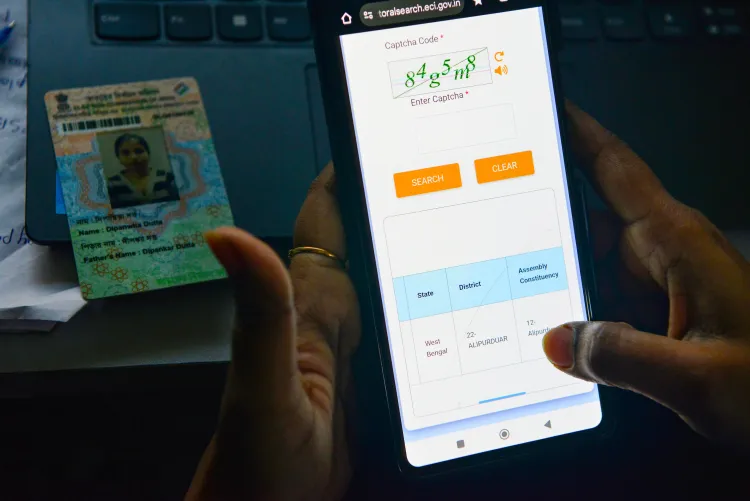
New Delhi, Dec 17 (NationPress) The ruling Trinamool Congress in West Bengal has accused the main Opposition party, Bharatiya Janata Party (BJP), of deceiving voters by alleging that there are over a crore illegal electors. This accusation emerged following the release of the Election Commission's draft electoral roll during its ongoing Special Intensive Revision (SIR).
However, leaders from the Trinamool have also played a role in fostering an atmosphere of anxiety and fear surrounding the SIR, which tragically led to incidents of suicide.
While the Leader of Opposition in the West Bengal Assembly, Suvendu Adhikari, and Union Minister Shantanu Thakur cited figures exceeding a crore, Chief Minister Mamata Banerjee claimed that the process could disenfranchise two crore voters in the state. She linked the SIR to the National Register of Citizens (NRC), suggesting that many would end up in detention camps as a result.
The draft electoral rolls have identified approximately 1.8 lakh “fake” or “ghost” voters. These rolls are set to be finalized soon, with hearings for impacted voters commencing shortly after their release. The official voter list is anticipated to be published on February 14.
Furthermore, the Election Commission's draft indicates the removal of around 58 lakh names in total, countering claims of “one crore disenfranchised” voters. Amid political discussions about the presence of “one crore Rohingyas/Bangladeshis” on the rolls, the draft's figures are significantly lower than the asserted numbers.
Political players are now leveraging the draft roll to support their narratives. The BJP, including Adhikari, has stated that it will respond after the final rolls are published.
Similar to Bihar, political claims in West Bengal have aggregated wider migration or demographic issues. However, the EC's SIR process employs field verification, deletion categories—such as death, migration, duplication, and non-response—and legal criteria to mark entries.
Drafts remain provisional, meaning many flagged entries will undergo hearings and could either be reinstated or permanently removed, but only through due process.
In the draft roll, areas with high concentrations include the border belt of North 24 Parganas, constituencies dominated by the Matua community, and seats with significant Muslim populations. Critics of Mamata have highlighted the latter as the SIR exercise commenced. The border constituencies in North 24 Parganas display a disproportionate number of flagged cases and the highest counts of entries marked as “ghost/fake” in the SIR draft.
Moreover, several Matua-majority areas exhibit the highest deletion rates, with averages around nine percent. A large number of entries marked as “unmapped” or deleted in the draft rolls are concentrated in these regions, and the ensuing SIR process, including hearings, documentation demands, and delays, is likely to create short-term distress.
The Matua community, a significant and politically influential Scheduled Caste group, is primarily located in North 24 Parganas, Nadia, and nearby districts of West Bengal. They trace their roots to the reform movements of the 19th-20th century and include many families that migrated from present-day Bangladesh during and after Partition, facing religious persecution. This community plays a crucial role in state politics due to its size, unity, and concentrated electoral presence.
The state unit of the BJP has reached out to the EC regarding the concerns of the Matua community and has proposed recommendations.
In a letter to the election body last month, the party stated, “The Matua community, along with other similarly positioned Hindu migrants, has voiced increasing dissatisfaction due to a lack of clarity regarding their documentation status.”
In contrast, numerous Muslim-majority constituencies report significantly lower deletion rates, averaging around 0.6 percent in several, which disproves the Trinamool's assertions.
Point of View
It is essential to approach the ongoing discourse regarding the draft electoral roll in West Bengal with an unbiased lens. Both parties have their narratives, but the focus should remain on the integrity of the electoral process and ensuring that every eligible voter is accurately represented. The situation underscores the importance of transparency in governance and the need for a fair process that respects the rights of all citizens.
NationPress
18/12/2025
Frequently Asked Questions
What is the significance of the draft electoral roll in West Bengal?
The draft electoral roll is crucial as it outlines the eligibility and status of voters, impacting their ability to participate in elections. It has sparked political claims and concerns about disenfranchisement.
How many names were reportedly deleted from the electoral rolls?
Approximately 58 lakh names were removed from the electoral rolls, challenging claims of widespread disenfranchisement.
What are the implications of the Special Intensive Revision (SIR)?
The SIR aims to ensure accurate voter registration through verification processes, but it has also led to political tensions and fears of voter disenfranchisement.
How does the Matua community factor into this issue?
The Matua community is politically significant in West Bengal, and their concerns regarding documentation and voter status have been a focal point in the political discourse surrounding the draft electoral roll.
What is the expected timeline for the final voter list?
The final voter list is expected to be published on February 14, following hearings for affected voters.