Kerala drug bust: DRI seizes 24 kg narcotics in Operation Chakravyuh
Synopsis
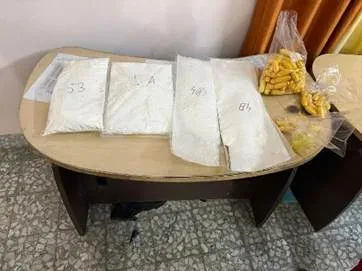
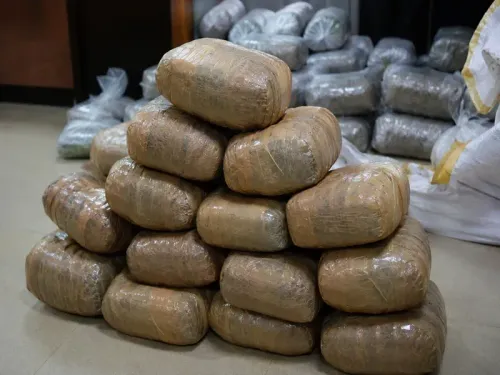
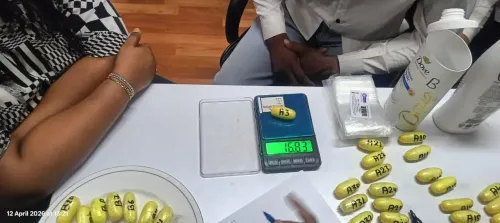
In one of Kerala's biggest recent drug crackdowns, the DRI's Cochin Unit seized over 24 kg of narcotics — including methamphetamine and hashish oil — across three cities under Operation Chakravyuh, arresting five alleged traffickers. The bust lands as the Kerala government announces a sweeping Excise Department overhaul and a zero-tolerance policy against narcotic mafias.
Key Takeaways
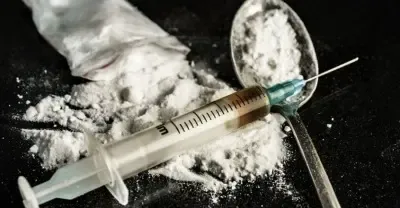
The DRI Cochin Unit seized more than 24 kg of narcotic drugs and psychotropic substances across Kerala under Operation Chakravyuh .
Five persons allegedly linked to trafficking networks were arrested under the NDPS Act .
Drugs including methaqualone , methamphetamine , and hashish oil were recovered from Kochi , Malappuram , and Thiruvananthapuram .
The DRI's Cochin Zonal Unit had seized narcotics worth ₹70.76 crore in Kerala during the last financial year, arresting 21 persons .
Kerala announced an overhaul of its Excise Department and a statewide anti-drug mission launching in June 2025 , with a focus on children and youth.
The Directorate of Revenue Intelligence (DRI) has seized more than 24 kg of narcotic drugs and psychotropic substances across Kerala under Operation Chakravyuh, in one of the state's most significant anti-narcotics crackdowns in recent months. Five persons, including individuals allegedly linked to organised trafficking networks, were arrested under the Narcotic Drugs and Psychotropic Substances (NDPS) Act.
Key Seizures and Arrests
The DRI's Cochin Unit conducted coordinated operations at Kochi, Malappuram, and Thiruvananthapuram, recovering substantial quantities of methaqualone, methamphetamine, and hashish oil. According to the DRI, the contraband was being smuggled through multiple channels — passenger baggage, courier consignments, and outbound export cargo — pointing to increasingly sophisticated trafficking methods.
Scale of the Problem
The DRI's Cochin Zonal Unit had already seized narcotic drugs and psychotropic substances worth ₹70.76 crore in Kerala during the last financial year, arresting 21 persons in various NDPS cases. The latest operation adds to that tally and, according to officials, reaffirms the need for coordinated action between central and state agencies.
Kerala Government's Anti-Drug Strategy
The bust coincides with a broader policy shift in Kerala. Governor Rajendra Vishwanath Arlekar, in his policy address at the opening of the Assembly session, announced a comprehensive overhaul of the state's Excise Department — transforming it into a technology-enabled, intelligence-driven agency. The revamped department will be equipped with digital surveillance tools, cyber-monitoring systems, and specialised enforcement capabilities to identify and disrupt narcotics supply chains.
The government has also declared a zero-tolerance policy towards narcotic mafias and organised criminal networks, with a statewide anti-drug mission involving the Excise, Home, Health, and Education departments set to launch at the start of the new academic year in June.
Three-Pillar Approach
Kerala's anti-drug strategy rests on three pillars: strong enforcement against traffickers and suppliers; sustained awareness campaigns to reduce demand; and a rehabilitation-focused public health approach for those affected by addiction. A special focus has been placed on protecting children and youth, with the inter-departmental mission timed to coincide with the academic year to reach students early.
What Comes Next
Officials say the Operation Chakravyuh seizures are unlikely to be the last. As traffickers adapt — using export cargo and courier networks to move contraband — investigators are pressing for deeper inter-agency coordination. The effectiveness of Kerala's new enforcement architecture will be tested as the state enters what authorities describe as a critical phase in its fight against organised drug networks.
Point of View
But the more significant signal is the smuggling method — export cargo and courier consignments, not just street-level movement. That shift suggests trafficking networks in Kerala are professionalising, using legitimate trade infrastructure as cover. The government's Excise overhaul is the right structural response, but digital surveillance tools and intelligence networks take years to mature. The June inter-departmental mission targeting schools is well-timed, but demand-side interventions have historically been underfunded relative to enforcement in India. Kerala's three-pillar strategy is sound on paper; execution, particularly on rehabilitation, is where past state-level anti-drug drives have come undone.
NationPress
20 Sept 2026
Frequently Asked Questions
What is Operation Chakravyuh in Kerala?
Operation Chakravyuh is a coordinated anti-narcotics drive conducted by the Directorate of Revenue Intelligence (DRI) Cochin Unit across Kerala, resulting in the seizure of over 24 kg of narcotic drugs and psychotropic substances and the arrest of five persons. Operations were carried out in Kochi, Malappuram, and Thiruvananthapuram.
What drugs were seized in the Kerala DRI operation?
The DRI recovered methaqualone, methamphetamine, and hashish oil during Operation Chakravyuh. The contraband was allegedly being smuggled through passenger baggage, courier consignments, and outbound export cargo.
How much narcotics has the DRI Cochin Unit seized in Kerala overall?
According to the DRI, its Cochin Zonal Unit seized narcotic drugs and psychotropic substances worth ₹70.76 crore in Kerala during the last financial year and arrested 21 persons in various NDPS cases, before the latest Operation Chakravyuh seizures.
What is Kerala's new anti-drug policy?
The Kerala government has announced a comprehensive overhaul of the Excise Department, equipping it with digital surveillance tools, cyber-monitoring systems, and specialised enforcement capabilities. A statewide anti-drug mission involving the Excise, Home, Health, and Education departments is set to launch in June 2025, with a zero-tolerance policy against narcotic mafias.
Who will be the focus of Kerala's new anti-drug mission?
The mission places a special emphasis on protecting children and youth from substance abuse, timed to coincide with the start of the new academic year in June. The broader strategy also includes rehabilitation support for those already affected by addiction.