Will DTC Route Rationalisation in West Delhi Begin Tomorrow?
Synopsis
The Delhi government is launching a Bus Route Rationalisation on January 21 to enhance public transport in West Delhi. This initiative will improve connectivity and service reliability, while simultaneously integrating more electric buses into the fleet. The government's commitment to sustainable transit is set to redefine commuter experience in the capital.
Key Takeaways
Bus Route Rationalisation in West Delhi starts on January 21.
Focus on improving last-mile connectivity and service reliability.
No 12-meter routes will be discontinued; they will be reorganised.
3,600 electric buses added to the fleet, with plans for more.
Government aims for 5,000 e-buses by March 2026.
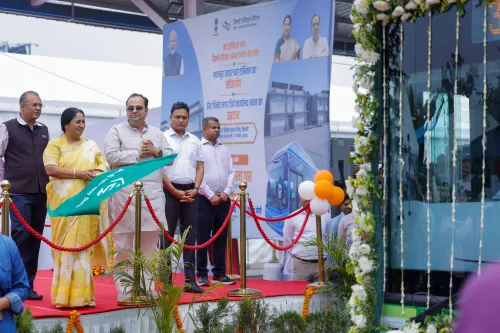
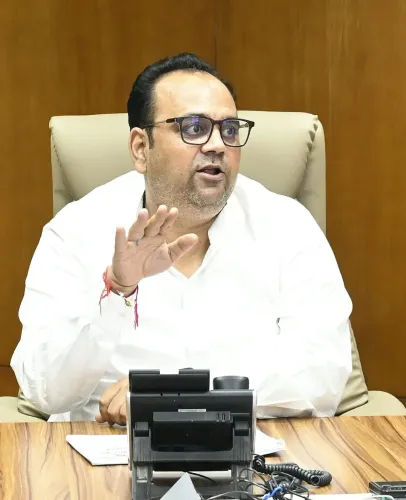
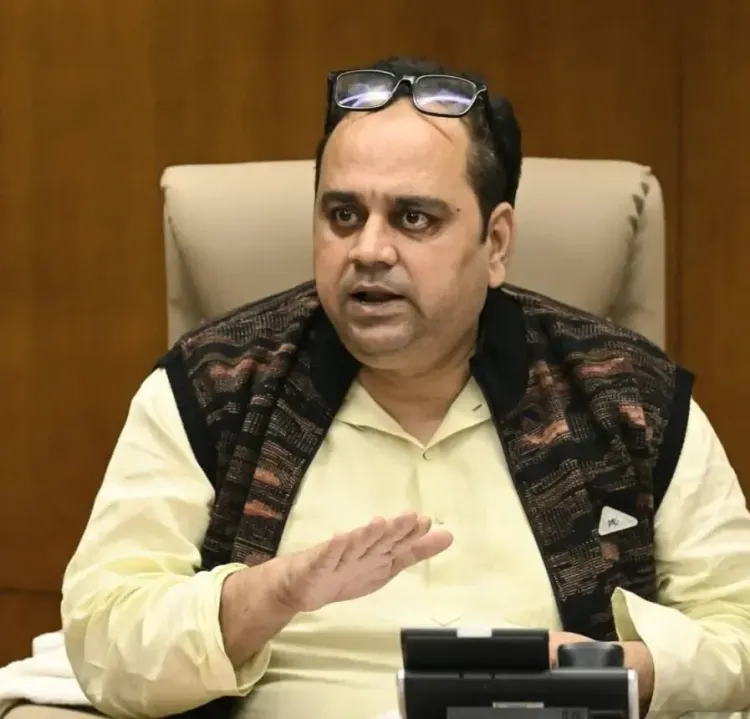
New Delhi, Jan 20 (NationPress) The Delhi government is set to implement a Bus Route Rationalisation initiative in the West Region on January 21, as announced by the Delhi Transport Corporation (DTC). This initiative aims to bolster last-mile connectivity, boost reliability, and enhance commuter convenience, according to Transport Minister Pankaj Kumar Singh.
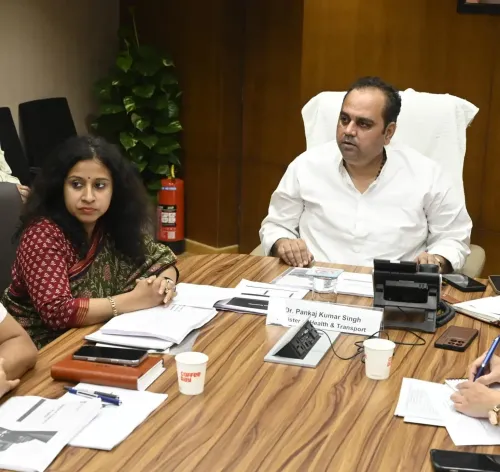
“The restructuring of routes in the West Region is intended to improve reliability, reduce waiting times, and enhance service delivery. There is no shortage of buses in the city. We are committed to creating a cleaner, stronger, and more efficient public transport system for all citizens,” the Minister stated on Tuesday.
The new route structure will take effect starting Wednesday. This initiative follows a successful rationalisation in the Transport Yamuna Region (East), with plans for the next phase to commence in the North Zone.
This rationalisation coincides with the city’s ongoing phase-out of 15-year-old DTC CNG low-floor buses as mandated by statutory guidelines.
Despite this necessary reduction, the government led by Rekha Gupta has ensured that bus availability remains ample throughout the city.
Services in the West Region have been reorganised to ensure operational continuity, optimise fleet utilisation, and reduce passenger waiting times.
The restructuring guarantees that no 12-meter bus routes will be eliminated; instead, routes have been strategically reorganised based on demand, ridership trends, and the significance of corridors.
During peak hours, additional buses will be deployed under the Unified Time Table to facilitate smoother travel during high-demand periods.
This rationalisation will also incorporate the deployment of 9-meter electric “Devi” buses, utilising up to 50 percent of the current e-bus fleet across selected 12-meter routes to ensure service consistency.
Furthermore, adjustments have been implemented for routes impacted by the closure of certain CNG depots in the West Zone, guaranteeing uninterrupted service. Overall, this effort enhances service delivery across all 181 routes in the West Region, as stated by officials.
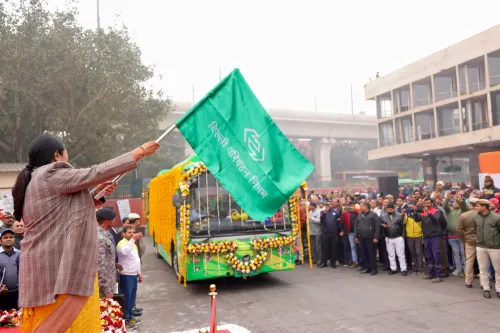
Meanwhile, Delhi’s transition to electric mobility has witnessed significant progress. Since the current government's establishment, over 3,600 electric buses have been added to Delhi’s public transport fleet, representing one of the fastest expansions of EV mobility in India.
The government aims to increase this number to over 5,000 e-buses by March 2026 and further expand it to more than 7,000 by November 2026, positioning Delhi as a global leader in sustainable mass transit, as per the statement.
Point of View
The rationalisation of bus routes in West Delhi marks a pivotal step in enhancing public transportation. It reflects the government's commitment to improving commuter convenience while transitioning to electric mobility—an essential move towards sustainable urban transport. The measures taken will ensure that citizens enjoy uninterrupted services even amid fleet phase-outs, highlighting a proactive approach to urban mobility challenges. NationPress supports these efforts toward a more efficient public transport system.
NationPress
19 Sept 2026
Frequently Asked Questions
What is the purpose of the Bus Route Rationalisation?
The Bus Route Rationalisation aims to improve last-mile connectivity, enhance reliability, and ensure commuter convenience by restructuring bus services.
When will the new bus routes take effect?
The new bus routes will take effect on January 21.
How many routes will be affected by the rationalisation?
The rationalisation will strengthen service delivery across all 181 routes in the West Region.
What initiatives are being taken to support electric mobility?
The government plans to increase the number of electric buses in the fleet to over 5,000 by March 2026 and more than 7,000 by November 2026.
Will any bus routes be discontinued?
No 12-meter bus routes will be discontinued; they are being reorganised based on demand and ridership patterns.