ED attaches ₹8.54 crore assets of Dehradun bitcoin scam accused Hemant Sharma
Synopsis
Dehradun's bitcoin fraud case reveals how a single operator allegedly collected 856.23 BTC — worth ₹200 crore — through a fake Iceland-registered website, then vanished. The ED has now attached over ₹13 crore in assets, with blockchain analysis doing what traditional forensics couldn't: follow the crypto trail to luxury cars and prime real estate.
Key Takeaways
The ED's Dehradun Sub Zonal Office issued a Provisional Attachment Order on 31 July attaching assets worth ₹8.54 crore belonging to Hemant Ishwar Sharma under the PMLA, 2002 .
Sharma allegedly ran the fraudulent bitcoin scheme BTCFUND.IS from 2014 to 2018 , collecting approximately 856.23 BTC (₹200 crore) from investors across India.
Combined with an earlier attachment of ₹4.56 crore , total assets attached now exceed ₹13 crore , including luxury cars, a Dehradun bungalow, and other immovable properties.
Proceeds were laundered through crypto exchanges to fund real estate, vehicles, and lifestyle expenses, according to blockchain analysis.
Sharma is lodged in Siddhowala Prison, Dehradun ; a chargesheet was filed on 20 May and the Special Court (PMLA), Dehradun took cognisance on 13 July .
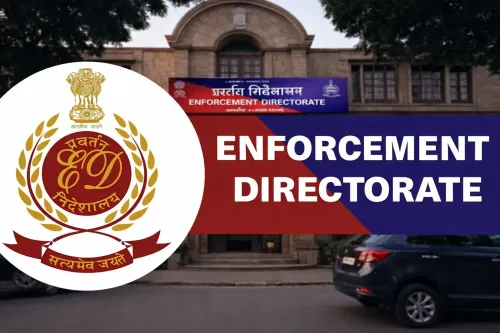
The Enforcement Directorate (ED) has issued orders to attach assets worth ₹8.54 crore belonging to Hemant Ishwar Sharma, the owner of a fraudulent bitcoin investment scheme that allegedly duped investors of nearly ₹200 crore over a five-year period beginning 2014. The ED's Dehradun Sub Zonal Office issued the Provisional Attachment Order on 31 July under the Prevention of Money Laundering Act (PMLA), 2002.
How the Fraud Operated
Sharma allegedly lured investors across India into depositing funds on an Iceland-registered website, BTCFUND.IS, which he controlled, by promising high returns on bitcoin investments. He falsely claimed that several foreign nationals were associated with the venture, projecting it as an internationally backed operation to build credibility among prospective investors.
The scheme ran for approximately five years, from 2014 to 2018. Once Sharma had accumulated substantial bitcoins and won investor trust, he abruptly shut down the website, leaving depositors with no recourse. Blockchain analysis subsequently identified retained proceeds of crime of approximately 856.23 BTC, valued at around ₹200 crore, which were laundered through crypto exchanges.
Assets Traced and Attached
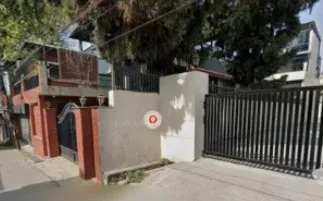
According to the ED, the laundered proceeds were used to purchase real estate, acquire vehicles, and renovate Sharma's personal residence. Investigators found that Sharma had no formal source of income beyond funds collected through BTCFUND.IS, yet maintained two luxury cars, a bungalow at a prime location in Dehradun, and multiple immovable properties in Dehradun and adjoining areas.
The current attachment order of ₹8.54 crore follows an earlier Provisional Attachment Order under which movable and immovable properties worth ₹4.56 crore were already attached, bringing the total attached assets to over ₹13 crore.
Legal Proceedings So Far
The ED's investigation was initiated on the basis of two separate First Information Reports (FIRs) — one registered by Police Station Rajpur, Dehradun, and another by Police Station Dineshpur, District Udham Singh Nagar, Uttarakhand — both filed against Sharma and others under the Indian Penal Code, 1860, for cheating investors.
Sharma was subsequently arrested by the ED and is currently lodged in Siddhowala Prison, Dehradun. The agency filed a chargesheet against him on 20 May before the Special Court (PMLA), Dehradun, which took cognisance of it on 13 July.
Broader Context
This case is among a growing number of crypto-linked money laundering investigations pursued by the ED under the PMLA in recent years. The use of blockchain analysis to trace and quantify proceeds of crime marks an increasingly sophisticated enforcement approach, as regulators grapple with the anonymity that digital currencies can afford fraudsters. The attachment proceedings will now be adjudicated before the Special PMLA Court.
Point of View
Leaving investors with limited legal recourse for years. The five-year gap between the scheme's collapse in 2018 and the chargesheet in 2025 points to the investigative lag that blockchain-based fraud still imposes on enforcement agencies. The ED's use of blockchain analysis to quantify 856.23 BTC in proceeds is notable — it signals a maturing forensic capability — but the real test is whether asset recovery keeps pace with the scale of investor losses, which at ₹200 crore dwarfs the ₹13 crore attached so far.
NationPress
18 Sept 2026
Frequently Asked Questions
What is the BTCFUND.IS bitcoin scam case?
BTCFUND.IS was a fraudulent bitcoin investment website registered in Iceland and controlled by Dehradun-based Hemant Ishwar Sharma. Between 2014 and 2018, Sharma allegedly collected approximately 856.23 BTC — valued at around ₹200 crore — from investors across India by promising high returns and falsely claiming foreign backing, before abruptly shutting down the platform.
What assets has the ED attached in this case?
The ED has issued a fresh Provisional Attachment Order dated 31 July for assets worth ₹8.54 crore under the PMLA, 2002. Combined with an earlier attachment of ₹4.56 crore, the total assets attached from Hemant Sharma now exceed ₹13 crore, including real estate, vehicles, and his Dehradun bungalow.
Where does the legal case stand currently?
Hemant Sharma is currently in judicial custody at Siddhowala Prison, Dehradun. The ED filed a chargesheet against him on 20 May before the Special Court (PMLA), Dehradun, which took cognisance of it on 13 July. Attachment proceedings will be adjudicated by the same court.
How did the ED trace the fraud proceeds?
Blockchain analysis was used to identify and quantify the retained proceeds of crime — approximately 856.23 BTC — and trace how they were laundered through crypto exchanges to fund real estate purchases, vehicle acquisitions, and home renovation. Investigators also noted that Sharma had no other verifiable source of income.
Which FIRs triggered the ED investigation?
The ED initiated its investigation based on two FIRs: one filed by Police Station Rajpur, Dehradun, and another by Police Station Dineshpur, District Udham Singh Nagar, Uttarakhand — both registered against Sharma and others under the Indian Penal Code, 1860, for cheating investors through the BTCFUND.IS scheme.