ED Investigates Rs 100-Crore Fake ITC Fraud: What Happened?
Synopsis
The Enforcement Directorate has launched a significant investigation into a massive Rs 100-crore fake Input Tax Credit fraud, uncovering fake invoices and illicit activities across three Indian states. This operation raises serious concerns about the misuse of the GST framework and highlights the need for stringent oversight in tax collection mechanisms.
Key Takeaways
ED's search operations target multiple locations.
This case involves a Rs 100-crore fake ITC fraud .
Fraudulent invoices were issued totaling Rs 658.55 crore .
58 entities participated in the fraudulent scheme across 11 states .
Investigation continues, with significant findings expected.
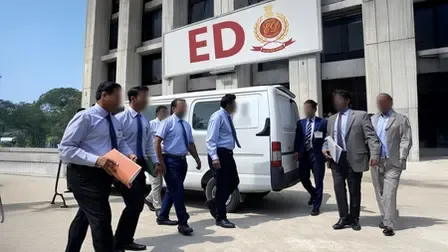
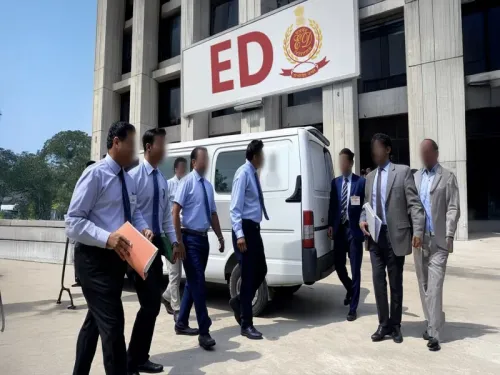
New Delhi/Itanagar, Jan 22 (NationPress) The Enforcement Directorate (ED) has executed search operations across multiple locations in West Bengal, Manipur, and Jharkhand as part of an investigation into a staggering Rs 100-crore fake Input Tax Credit (ITC) fraud, according to sources from the central investigative agency.
The ED in Itanagar initiated these search operations on January 20 under the Prevention of Money Laundering Act (PMLA), 2002, targeting 10 premises in the three states in relation to this significant fraudulent scheme.
This investigation was prompted by an FIR filed under various sections of the Indian Penal Code, 1860, stemming from a complaint lodged on October 3, 2024, by CGST and Central Excise of the Itanagar Commissionerate against M/s Sidhi Vinayak Trade Merchant in Arunachal Pradesh, which was discovered to have no actual presence at the listed address.
The ED's findings indicated that the firm had illegally issued a total of 15,258 bogus/fake invoices with a taxable value of approximately Rs 658.55 crore over just six months, to 58 recipient entities across 11 different states from October 2023 to March 2024.
These fraudulent invoices enabled the wrongful claiming of fake Input Tax Credit (ITC) amounting to nearly Rs 99.31 crore by these 58 entities during the financial year 2023-24.
During the searches, it was uncovered that companies like Dayal Commercial, Apee Enterprises, Phoenix Hydraulics, Ram Awatar Bansal & Co., and Bhima Shankar Industries, all based in Kolkata, were primarily involved in the creation of invoices and transferring Input Tax Credit (ITC).
These businesses issued fake bills totaling Rs 450 crore and created false records of vehicle manufacturing and sales through these fraudulent invoices, alongside illicitly claiming GST refunds that were then misappropriated among promoters, suppliers, and facilitators. Instances of fake e-way bills and kickbacks to officials were also uncovered.
In Manipur, the principal office of M/s FEMA Marketing was found to be under construction, with no business operations taking place. Nevertheless, the GST portal indicated that this entity had been falsely operating from this location for the past three years.
It reported a fictitious turnover of Rs 6.05 crore and facilitated fraudulent ITC to prominent companies, demonstrating how the GST mechanism was being exploited.
In Jharkhand, an entity named M/s Mahesh Prasad Gupta confessed to having claimed fake ITC and was unable to present the necessary invoices, e-way bills, or lorry receipts.
Most of the involved entities operated for a brief period of just 6-8 months and generated fake ITC by providing bogus invoices. The GSTN of these entities was subsequently canceled by the CGST.
However, during this period, they circulated the ITC, which was later utilized by legitimate entities. This entire scheme resulted in substantial losses to the government and generated Proceeds of Crime for the owners of these entities.
The case began with fake ITC claims of Rs 99 crore due to fraudulent billing of Rs 658 crore. Nonetheless, evidence discovered during the searches suggests a far greater magnitude of fake ITC involving numerous entities across various states.
During the searches, statements from key individuals were recorded, where they acknowledged not engaging in any legitimate business operations.
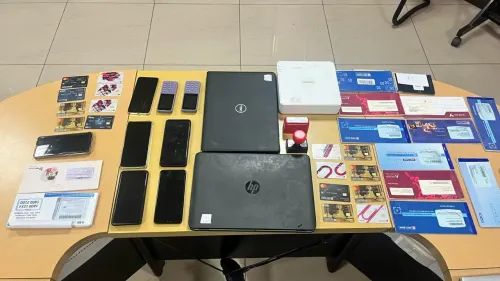
The operations led to the freezing of bank accounts, seizure of documents related to immovable properties, and recovery of incriminating evidence revealing systematic abuse of the GST framework through bogus invoicing, fake e-way bills, and layered fund transfers.
Additionally, Rs 21 lakh in the accounts of M/s S.K Construction was also frozen during the operation.
Ongoing investigations are expected to reveal more details.
Point of View
This investigation by the Enforcement Directorate underscores the critical importance of robust regulatory frameworks in preventing tax fraud. As the government continues to combat financial crimes, citizens must remain vigilant and aware of the mechanisms employed by fraudulent entities. The integrity of our financial systems relies on transparency and accountability, ensuring that genuine businesses are not unfairly impacted by the actions of a few.
NationPress
20 Sept 2026
Frequently Asked Questions
What is the Enforcement Directorate?
The Enforcement Directorate (ED) is a law enforcement agency in India responsible for enforcing economic laws and fighting financial crimes, including money laundering and foreign exchange violations.
What is Input Tax Credit (ITC)?
Input Tax Credit (ITC) allows businesses to reduce the tax they have already paid on inputs from the tax they owe on their sales, effectively enabling tax credits against GST.
How does the fake ITC fraud work?
Fake ITC fraud involves creating fictitious invoices and businesses to claim tax credits that are not legitimately earned, resulting in significant losses to the government.
What are the consequences of engaging in fake ITC fraud?
Engaging in fake ITC fraud can lead to severe penalties, including heavy fines and imprisonment, along with the freezing of assets and other legal consequences.
How can businesses protect themselves from fraudulent activities?
Businesses can protect themselves by conducting thorough due diligence on suppliers, maintaining accurate records, and staying informed about the latest regulatory changes and compliance requirements.