AIADMK to advance Working Committee meet as EPS tightens party grip
Synopsis
The AIADMK is pulling its Working Committee meeting forward to August — months ahead of schedule — as Edappadi K. Palaniswami moves to crack down on absentee leaders, plug organisational gaps, and set the party's agenda for Tamil Nadu's local body elections. With former ministers and MLAs already on notice for skipping district reviews, the meeting could trigger the most significant internal reshuffle since the party's assembly poll defeat.
Key Takeaways
The AIADMK is set to hold its Working Committee meeting in August , ahead of its traditional December schedule.
General Secretary Edappadi K.
Palaniswami conducted district-level reviews across all 85 organisational districts between 13 June and 25 July .
Former ministers S.P.
Velumani , Natham Viswanathan , C.V.
Thangamani were among those absent from the consultations.
The party leadership is considering seeking explanations from absentees and may initiate disciplinary action, including expulsion.
The Working Committee meeting is expected to finalise a strategy for Tamil Nadu local body elections and approve key organisational appointments.
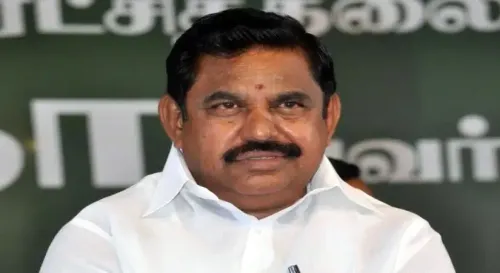
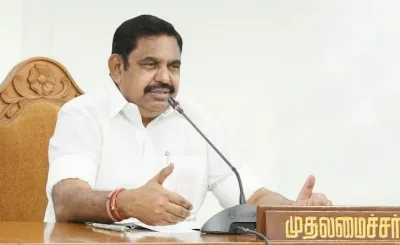
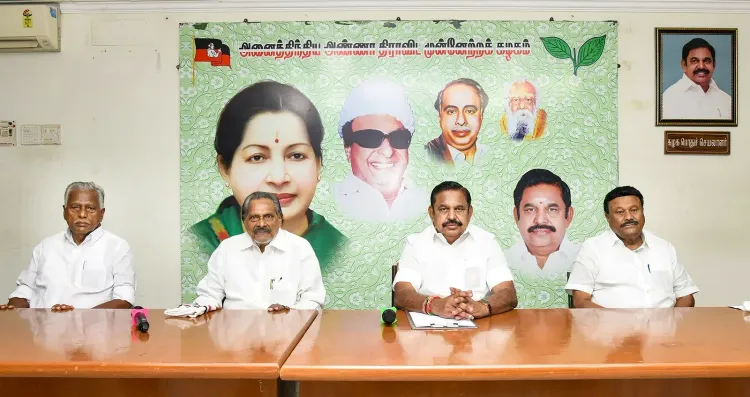
Tamil Nadu's principal opposition party, the All India Anna Dravida Munnetra Kazhagam (AIADMK), is set to convene its Working Committee meeting in August — several months ahead of its usual December schedule — with party General Secretary Edappadi K. Palaniswami (EPS) expected to use the forum to consolidate organisational control, confront internal dissent, and chart a course for the upcoming local body elections in Tamil Nadu.
Why the Meeting Is Being Advanced
The Election Commission of India (ECI) mandates that recognised political parties hold a General Council meeting once a year and Working Committee meetings twice annually. The AIADMK has traditionally combined both into a single December session. The decision to move the Working Committee meeting to August this year signals urgency, coming in the aftermath of the party's defeat in the Tamil Nadu Assembly elections and mounting organisational strain.
This is not a routine scheduling adjustment — it reflects a leadership under pressure to demonstrate command over a fractured apparatus before the civic poll cycle begins.
EPS Conducts District-Wide Review
Since 13 June, Palaniswami has reportedly held a series of review meetings with district-level office-bearers to evaluate the party's performance and grassroots preparedness. The consultations, which concluded on 25 July, spanned all 85 organisational districts of the AIADMK.
According to party insiders, Palaniswami closely tracked attendance at these sessions and maintained records of absentees. Several senior leaders — including former ministers S.P. Velumani, Natham Viswanathan, C.V. Shanmugam, and P. Thangamani — were absent. MLAs Arunmozhi Devan, Sukumar, and Rakesh also reportedly did not attend.
Disciplinary Action on the Table
Party sources indicate that the leadership is now considering seeking formal explanations from office-bearers who skipped the review meetings. Palaniswami is also expected to engage directly with leaders identified as dissidents in an effort to bridge internal differences.
Those unwilling to align with the leadership's direction could face disciplinary consequences, including expulsion from the party, according to sources. The AIADMK chief is additionally expected to fill vacant organisational posts by appointing new office-bearers as part of a broader restructuring drive.
Local Body Elections in Focus
The forthcoming Working Committee meeting is expected to place significant emphasis on the party's strategy for local body elections. During the district-level consultations, Palaniswami reportedly stressed that the AIADMK must sharpen its performance in civic polls and directed district leaders to strengthen grassroots mobilisation.
He is also said to have encouraged even senior functionaries to contest local body elections — a move aimed at reinforcing the party's presence at the ward and panchayat level. The Working Committee meeting is expected to finalise a roadmap for these preparations and ratify key organisational changes.
With the AIADMK navigating a post-defeat reckoning, the August meeting will be a critical test of whether Palaniswami can re-establish authority and rebuild the party machinery in time for the next electoral cycle.
Point of View
It points to a fracture that organisational reshuffles alone may not repair. The deeper question is whether EPS can convert a disciplinary blitz into genuine grassroots revival, or whether the August meeting becomes a show of authority that the party's local body election performance will quickly test.
NationPress
25 Oct 2026
Frequently Asked Questions
Why is the AIADMK advancing its Working Committee meeting to August?
The AIADMK is moving its Working Committee meeting from its usual December slot to August in response to organisational challenges following the party's defeat in the Tamil Nadu Assembly elections. General Secretary Edappadi K. Palaniswami is expected to use the meeting to address internal dissent, restructure the party, and set a strategy for local body elections.
What did Edappadi K. Palaniswami's district-level reviews cover?
Between 13 June and 25 July, Palaniswami conducted review meetings across all 85 organisational districts of the AIADMK to assess the party's performance and grassroots preparedness. He reportedly tracked attendance closely and maintained records of those who did not participate.
Which senior AIADMK leaders were absent from the district consultations?
Former ministers S.P. Velumani, Natham Viswanathan, C.V. Shanmugam, and P. Thangamani were among those absent. MLAs Arunmozhi Devan, Sukumar, and Rakesh also reportedly did not attend the review sessions.
What disciplinary action could absentee AIADMK leaders face?
According to party sources, the leadership is considering seeking formal explanations from office-bearers who skipped the review meetings. Those unwilling to cooperate with the leadership could face disciplinary action, including expulsion from the party.
What role will local body elections play in the upcoming Working Committee meeting?
Local body elections are expected to be a central agenda item. The Working Committee meeting is likely to finalise a grassroots mobilisation strategy, with Palaniswami reportedly having urged even senior leaders to contest civic polls to strengthen the party's presence at the ward and panchayat level.