Mithun Chakraborty backs Bengal's closure of 252 unrecognised madrasas on security grounds
Synopsis
Mithun Chakraborty's endorsement of West Bengal's madrasa crackdown is the new Adhikari government's most high-profile political signal yet — linking funding transparency at unregistered religious institutions directly to national security. With 252 closure notices and 100 show-cause notices issued across 23 districts, the scale of the action is unprecedented in the state's recent history.
Key Takeaways
Mithun Chakraborty , incoming Cultural Advisor to the West Bengal government, backed the closure of 252 unrecognised madrasas on national security grounds.
The state also issued show-cause notices to 100 additional madrasas , requiring them to produce valid authorisation or face shutdown.
The majority of the 252 affected madrasas belong to the Khariji sect ; Malda has the highest concentration with 44 institutions.
A survey by the Minority Affairs and Madrasah Education Department covered Kolkata and 22 other districts , examining funding, enrolment, and registration status.
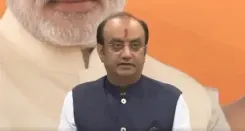
Bengal BJP chief Samik Bhattacharya cited rising radicalisation in border areas as justification for the government's action.
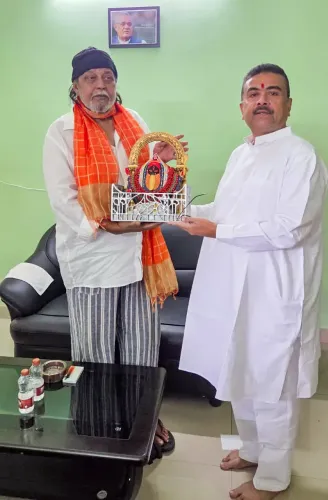
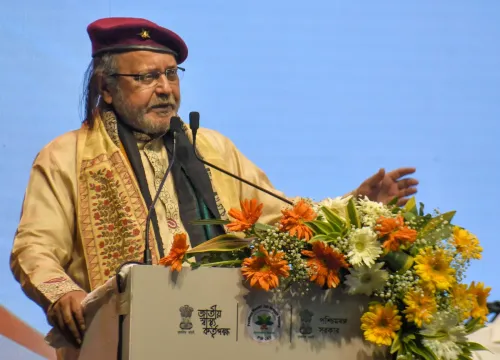
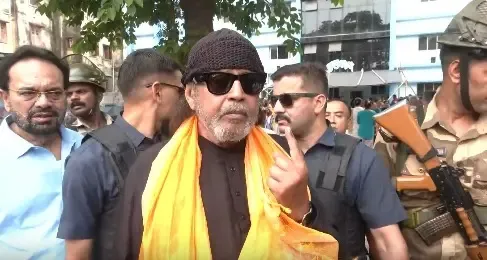
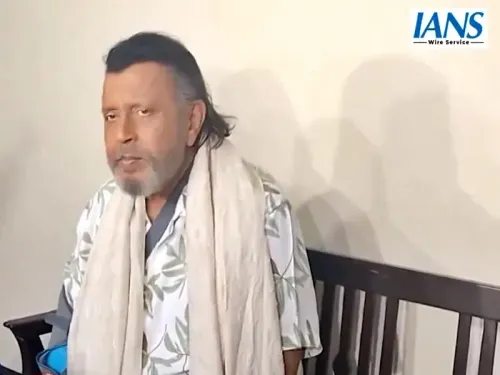
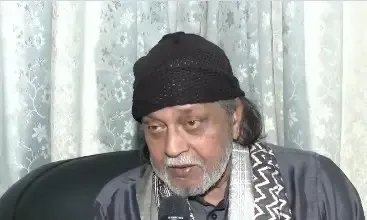
Actor-turned-politician Mithun Chakraborty, who is set to serve as Cultural Advisor in the Suvendu Adhikari-led West Bengal government, has publicly backed the administration's crackdown on unaided and unrecognised madrasas across the state, citing national security as a primary concern. His remarks came a day after the Bengal government issued closure notices to 252 unapproved madrasas and show-cause notices to 100 others, as part of a broader review of Islamic educational institutions.
What Mithun Chakraborty Said
Speaking on the matter, Chakraborty stated: 'When we talk about madrasas, there must be someone behind them who is funding and running them. Whether that money is being used for the right purpose or the wrong purpose will become clear now. It is very important for the country's security that we pay close attention to this matter and examine it very strictly.'
He further argued that the issue had not been taken seriously under previous dispensations and could no longer be ignored given its implications for national security. His comments signal that the new administration intends to make funding scrutiny of minority institutions a cornerstone of its governance approach in the state.
Scale and Geography of the Crackdown
According to reports, the majority of the 252 madrasas facing closure belong to the Khariji sect. District-wise, at least 44 are located in Malda, 37 in Uttar Dinajpur, 32 in South 24 Parganas, and 25 each in Nadia and Murshidabad. The show-caused institutions must produce valid authorisation or face shutdown, according to Minority Affairs Minister Khudiram Tudu.
A state-wide survey was conducted by the Minority Affairs and Madrasah Education Department across Kolkata and 22 other districts, examining madrasa management systems, student organisation enrolment, funding sources, and registration status.
BJP Backs Government Action
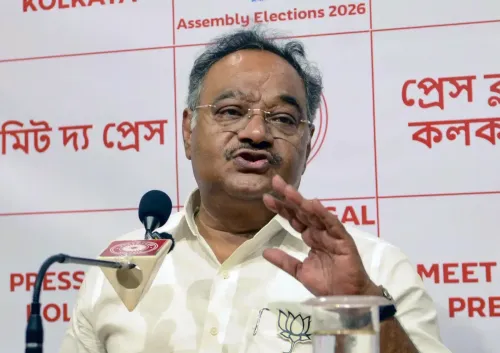
Bengal BJP chief Samik Bhattacharya also defended the government's move, asserting that the rise in radicalisation in border areas was an alarming signal and that it was the state government's responsibility to stop anti-national activities allegedly taking place in the context of madrasa education. The BJP has long flagged concerns about funding transparency in unregistered religious institutions, particularly in border districts.
Context and Background
West Bengal's madrasa landscape has been a recurring flashpoint in state politics. The previous Trinamool Congress (TMC) government had been accused by the opposition of overlooking regulatory oversight of unregistered institutions, a charge the TMC denied. The current administration's decision to formally survey and issue notices across 23 districts marks a significant policy departure.
Notably, this is among the first major policy interventions by the incoming Adhikari-led dispensation on minority education — and Chakraborty's endorsement, given his national profile, adds political weight to what would otherwise be a state-level administrative action. All eyes now remain on whether the show-caused madrasas can produce the required documentation, and whether the closures will withstand any legal challenges.
Point of View
Given that several of the affected madrasas may have been operating under informal community arrangements for decades. The focus on funding transparency is legitimate, but the speed and scale of notices — 352 institutions across 23 districts — raises questions about due process. Framing the issue as a security matter also risks conflating unregistered status with radicalisation, a conflation that could be legally and politically contested in the months ahead.
NationPress
14 Sept 2026
Frequently Asked Questions
Why is West Bengal closing 252 madrasas?
The West Bengal government issued closure notices to 252 unaided and unrecognised madrasas following a state-wide survey that examined their funding sources, management systems, and registration status. Authorities, including incoming Cultural Advisor Mithun Chakraborty, cited national security concerns and the need to verify whether funds at these institutions were being used appropriately.
What happens to the 100 madrasas served show-cause notices?
The 100 madrasas served show-cause notices must produce valid authorisation to continue operating, according to Minority Affairs Minister Khudiram Tudu . Failure to do so will result in their shutdown. They have been given an opportunity to respond before any final action is taken.
Which districts are most affected by the madrasa closures?
The closures are spread across 23 districts , with Malda having the highest number at 44 , followed by Uttar Dinajpur ( 37 ), South 24 Parganas ( 32 ), and Nadia and Murshidabad with 25 each . The majority of affected institutions reportedly belong to the Khariji sect .
What role will Mithun Chakraborty play in the West Bengal government?
Mithun Chakraborty is set to serve as Cultural Advisor in the Suvendu Adhikari -led West Bengal government. In that capacity, his public backing of the madrasa clampdown represents one of his first substantive policy interventions, signalling alignment between his advisory role and the administration's security-focused agenda.
What did the Bengal BJP say about the madrasa crackdown?
Bengal BJP chief Samik Bhattacharya defended the action, stating that rising radicalisation in border areas was an alarming signal and that it was the state government's responsibility to address anti-national activities allegedly connected to madrasa education. The BJP has consistently raised concerns about funding transparency in unregistered religious institutions in border districts.