Ethanol blending saved ₹1.90 lakh crore in forex, earned farmers ₹1.60 lakh crore: Karnataka BJP
Synopsis
Karnataka's BJP opposition leader R. Ashoka has turned the state's ethanol controversy on its head — presenting data showing the Centre's blending programme saved ₹1.90 lakh crore in forex and earned farmers ₹1.60 lakh crore, while accusing the same Congress government that pocketed ₹10,308 crore in ethanol revenue in 2025-26 of running a misinformation campaign and hiding 52 of 63 fuel test results.
Key Takeaways
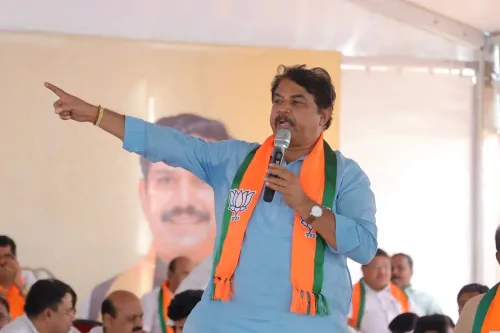
Ashoka (Karnataka Leader of the Opposition) accused the state Congress government of raising the ethanol controversy to distract from its own failures at a press conference on 12 November 2026 .
Ethanol blending from 2014-15 to May 2026 saved ₹1.90 lakh crore in foreign exchange and cut crude consumption by over 310 lakh tonnes , according to Ashoka.
Farmers earned more than ₹1.60 lakh crore in additional income from the blending programme over the same period.
The Karnataka Congress government collected ₹10,308 crore in ethanol revenue in 2025-26 and levies ₹24-25 per litre on petrol — double the Centre's share of ₹12 per litre .
Ashoka alleged the government tested only 11 of 63 fuel samples and failed to follow the Section 8/2 legal procedure for sample collection and disclosure.
Drought relief in Yadgir was cut from an announced ₹2,500 to ₹1,500 per farmer, attributed by the Revenue Minister to a 'mistake'.
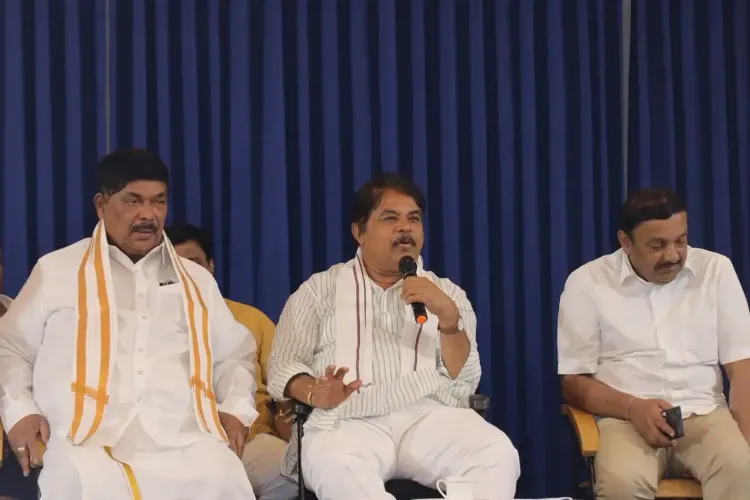
Karnataka Leader of the Opposition R. Ashoka on Thursday, 12 November 2026, charged that the ruling Congress government in the state deliberately stoked an ethanol controversy to deflect public attention from its own failures, including the inability to deliver drought relief to farmers. Speaking at a press conference in Bengaluru, Ashoka cited national data to defend the Centre's ethanol blending programme, asserting it has delivered measurable benefits to both the economy and the farming community.
National gains from ethanol blending
Ashoka pointed to figures covering the period from 2014-15 to May 2026, arguing that ethanol blending with petrol has generated ₹1.90 lakh crore in foreign exchange savings for the country. He added that more than 310 lakh tonnes of crude oil consumption has been avoided and approximately 930 lakh metric tonnes of carbon dioxide emissions reduced over the same period. Farmers across the country, he said, have collectively earned more than ₹1.60 lakh crore in additional income as a direct result of the programme.
Karnataka Congress accused of selective testing and misinformation
Ashoka alleged that the state government conducted tests on only 11 out of 63 fuel samples and withheld the remaining results from the public. He questioned whether the samples were drawn from Congress-affiliated petrol pumps and noted that the government had not disclosed which outlets were tested. He further alleged that testing was not conducted in line with Central Government guidelines, and that legal provisions under Section 8/2 of the 2005 UPA-era legislation — which require six samples to be collected and results communicated to the outlet owner within five days — were not followed.
Revenue figures and state government accountability
The opposition leader pointed out that the Congress government in Karnataka itself earned ₹10,308 crore in revenue from ethanol in 2025-26. He noted that while the Centre collects ₹12 per litre from petrol, the state government collects ₹24-25 per litre — making the state a larger revenue beneficiary from fuel sales. Despite this, he argued, the state was raising alarms about the same blending it profits from. Raids were conducted on 805 petrol bunks, but no disclosure was made on how many entities faced action, he said.
Congress drought relief failures and farmer income claims
Ashoka criticised the state government's handling of drought relief, saying it announced ₹2,500 per farmer but disbursed only ₹1,500 in Yadgir, with the Revenue Minister attributing the shortfall to a 'mistake'. He contrasted this with Prime Minister Narendra Modi's Kisan Samman scheme, which transfers ₹6,000 directly to farmers' bank accounts nationally. He also criticised an IAS officer in Hassan who reportedly posted on social media that 'if the lion sleeps, dogs will bark', calling it a reflection of deteriorating administrative standards.
Global context and historical position
Ashoka noted that more than 80 countries blend ethanol with fuel, and cited the United States, Brazil, and Vietnam as examples where the practice supports farmers. He recalled that when he served as Transport Minister, he personally appealed to then-Prime Minister Manmohan Singh to allow ethanol blending, but was denied permission, attributing that resistance to what he described as a petroleum lobby. He also pointed out that Belagavi Congress leaders had previously demanded ethanol procurement, in apparent contradiction to the current stance of Bengaluru Congress leaders opposing it. Echoing a sarcastic note, he referenced Rahul Gandhi's 'potato-to-gold' remark, suggesting the Congress was seeking predetermined conclusions from its tests. The ethanol pricing point he raised: at ₹56.70 per litre, ethanol is priced above petrol at ₹53 per litre, meaning oil companies do not derive excess profits from the blend, he argued. The road quality issue also featured: Ashoka claimed BMTC buses in Bengaluru have seen mileage drop from 18 km per hour to 11 km per hour — a decline he attributed to potholed roads rather than ethanol. The coming days will determine whether the state government responds to Ashoka's demand for full disclosure of all 63 fuel sample test results.
Point of View
308 crore revenue figure is the sharpest arrow in his quiver: it is difficult for the Congress to simultaneously profit from ethanol blending and campaign against it without appearing contradictory. The demand for full disclosure of all 63 sample results is also tactically sound, shifting the burden of proof onto the government. What is missing from Ashoka's account, however, is any independent verification of the national-level benefit figures he cites; without a credible third-party audit, the numbers on both sides remain political assertions rather than settled fact. The deeper story — Karnataka's farmer distress and the ₹1,500 Yadgir relief shortfall — deserves as much scrutiny as the fuel testing dispute.
NationPress
12 Nov 2026
Frequently Asked Questions
What are the claimed national benefits of India's ethanol blending programme?
According to Karnataka BJP leader R. Ashoka, ethanol blending between 2014-15 and May 2026 saved India ₹1.90 lakh crore in foreign exchange, reduced crude oil consumption by over 310 lakh tonnes, cut carbon dioxide emissions by approximately 930 lakh metric tonnes, and provided farmers with over ₹1.60 lakh crore in additional income.
Why is the ethanol controversy significant in Karnataka politics right now?
The Karnataka Congress government has raised concerns about ethanol blending quality and conducted raids on 805 petrol bunks. The BJP opposition, led by R. Ashoka, alleges this is a deliberate distraction from the state government's failures on drought relief and farmer welfare, pointing out that the state itself earned ₹10,308 crore from ethanol in 2025-26.
What legal violations does the BJP allege in Karnataka's fuel testing process?
Ashoka alleged that the state government ignored Section 8/2 of a 2005 UPA-era law, which requires six samples to be collected, shared with the company and outlet owner, and results communicated within five days. He also alleged that testing was not done as per Central Government guidelines, and that results of 52 out of 63 samples were withheld.
How did Karnataka's drought relief disbursal become part of this debate?
Ashoka highlighted that while the state announced ₹2,500 per farmer in drought relief, only ₹1,500 was disbursed in Yadgir, with the Revenue Minister calling it a mistake. He contrasted this with the Centre's Kisan Samman scheme, which directly transfers ₹6,000 per year to farmers' bank accounts nationwide.
How does ethanol pricing compare to petrol in India?
Ashoka stated that ethanol is priced at ₹56.70 per litre compared to petrol at ₹53 per litre. Because ethanol costs more than petrol, he argued, oil companies do not earn disproportionate profits from blending — countering the suggestion that blending is commercially exploitative.