Transformative Journey: Ex-Maoists Witness Democracy in Chhattisgarh Assembly
Synopsis
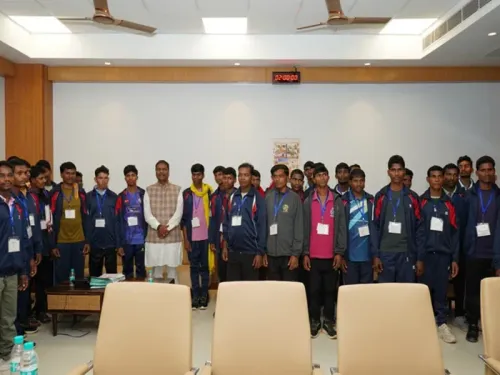
In a historic moment, 120 former Maoists attended a session at the Chhattisgarh Assembly, witnessing democracy firsthand. This event marks a significant shift in the state's approach to rehabilitation and peace-building.
Key Takeaways
120 former Maoists attended the Chhattisgarh Assembly.
Chief Minister affirmed a commitment to their rehabilitation .
Financial aid of Rs 10,000 per month for three years.
Land provided for housing and agriculture.
Emphasis on peace and integration into society.
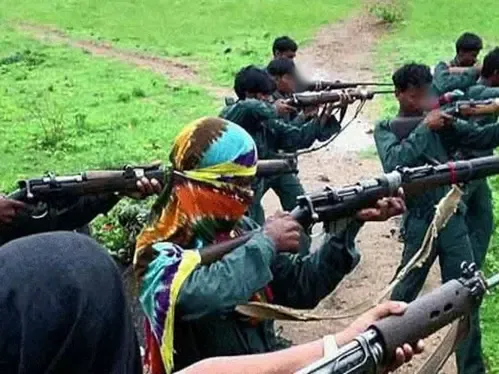
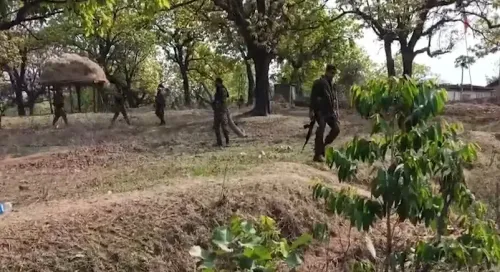
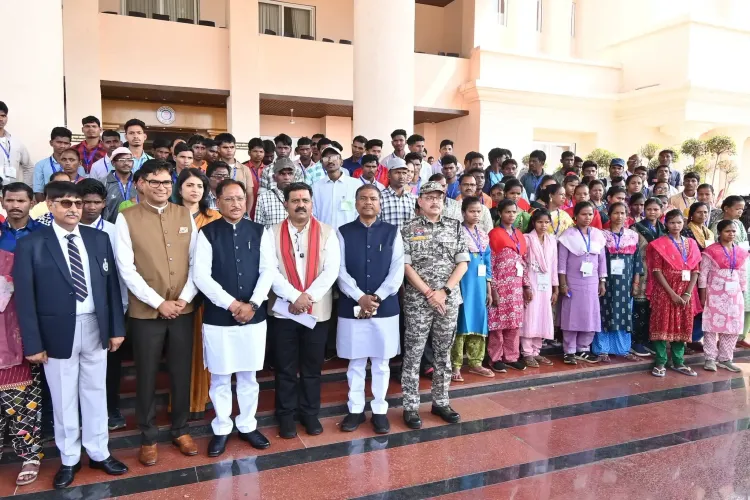
Raipur, Feb 27 (NationPress) In a remarkable testament to the evolving landscape of Chhattisgarh's fight against Maoism, a group of 120 former Maoists occupied the visitors' gallery of the state Assembly, observing the democratic process in action. Among them were individuals previously labeled as 'dangerous' insurgents whose decisions to surrender hold significant meaning. Notable figures like Rupesh, with a bounty of Rs 1 crore, and Chaitu, aka Shyam Dada, who had a Rs 25 lakh reward on his head, were present. Chaitu's past is notably tied to the heartbreaking 2013 Jhiram Valley attack in Bastar, which resulted in the deaths of several influential Congress leaders.
Having surrendered in Jagdalpur just three months prior, Chaitu now observed the proceedings of the Assembly, wearing a simple cap—an understated yet powerful symbol of how the influence of the ballot is overtaking that of the gun. These individuals, once engaged in armed rebellion, now represent a compelling narrative of surrender and reintegration into society.
During the session, Chief Minister Vishnu Dev Sai personally engaged with them, expressing optimism about their future. He reaffirmed the government's dedication to their rehabilitation through a specialized policy.
This policy offers surrendered Maoists a monthly financial package of Rs 10,000 for three years, along with skill development opportunities to help them establish sustainable livelihoods. To aid in permanent settlement, the initiative provides four decimals of land in urban zones for housing and one acre in rural areas for agricultural pursuits.
The Chief Minister took this opportunity to reach out to those still in the forests, encouraging them to abandon violence and embrace a path of peace and development.
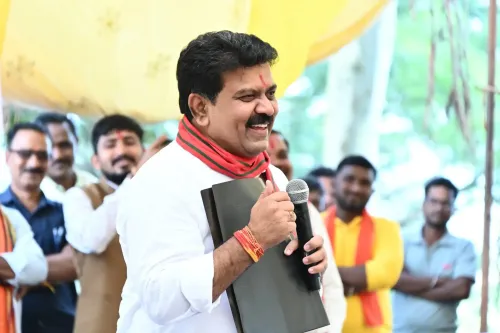
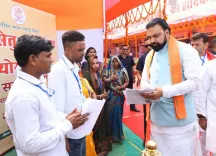
On the eve of their visit to the Assembly, Deputy Chief Minister Vijay Sharma welcomed these former militants at his residence in Nava Raipur. The gathering was far from a formal event; it featured a warm red carpet reception, floral tributes, and a communal meal that fostered a sense of connection.
Sharma interacted one-on-one with each attendee, listening to their stories while guiding them about their upcoming experience in Raipur. Such initiatives aimed to enhance trust between the government and those choosing to turn away from violence. The next morning, after a thorough security check, the group entered the visitors' gallery, visibly excited.
For many, this was their first direct experience with the democratic process. As they engaged in Question Hour and various legislative discussions, a sense of belonging replaced their earlier hostility towards the system.
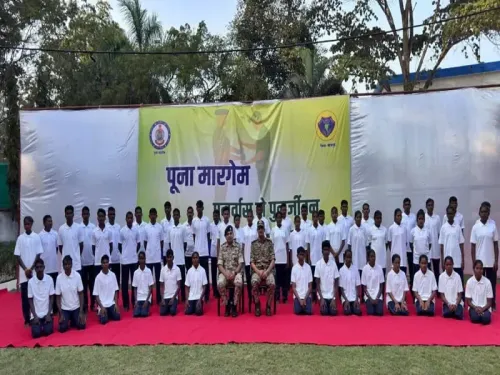
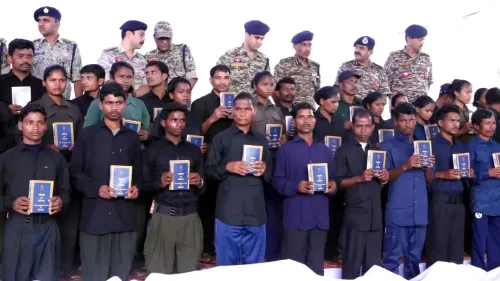
This event highlighted the success of Chhattisgarh's rehabilitation initiatives, which merge security efforts with empathetic outreach, gradually bringing insurgents back into civilian life and contributing to the larger objective of diminishing Maoist influence in the area.
Point of View
This event reflects significant strides in Chhattisgarh's efforts to rehabilitate former insurgents and promote peace. The state's emphasis on inclusion and support for former Maoists showcases a progressive approach to addressing the issues surrounding Maoism.
NationPress
6 Oct 2026
Frequently Asked Questions
What was the significance of the former Maoists attending the Assembly?
Their attendance symbolizes a shift towards rehabilitation and integration into society, showcasing the effectiveness of Chhattisgarh's peacebuilding efforts.
What support does the government provide to surrendered Maoists?
The government offers financial assistance, skill development programs, and land for housing and agriculture to support their reintegration.
Who were the notable former Maoists present?
Rupesh and Chaitu, both with significant bounties on their heads, were among the attendees, highlighting their transformation from insurgents to citizens.
How does this event impact ongoing Maoist violence?
By demonstrating a successful rehabilitation model, the event aims to encourage remaining insurgents to abandon violence and embrace peace.
What message did the Chief Minister convey to the former Maoists?
He expressed optimism for their futures and reinforced the government's commitment to their rehabilitation and reintegration into society.