CBI court convicts ex-Punjab DSP Gurmeet Singh in 1992 Amrik Singh abduction case
Synopsis
More than three decades after the alleged abduction of Amrik Singh from a Ludhiana hotel, a CBI court in Mohali has finally delivered a conviction against former Punjab Police DSP Gurmeet Singh. The verdict, under IPC Sections 365 and 120-B, closes a chapter opened by a 1995 Supreme Court order — though three co-accused died before seeing the inside of a courtroom.
Key Takeaways
A CBI court in Mohali convicted former Punjab Police DSP Gurmeet Singh on 11 November 2026 for the abduction of Amrik Singh on 25 November 1992 .
Conviction is under Sections 365 (kidnapping) and 120-B (criminal conspiracy) of the IPC .
Co-accused DSP Parminderjit Singh was acquitted; proceedings against three other accused were abated due to their deaths.
The case originated from a Supreme Court order dated 15 November 1995 ; CBI charge sheet was filed on 27 November 2001 .
Quantum of sentence is to be announced on 12 November .
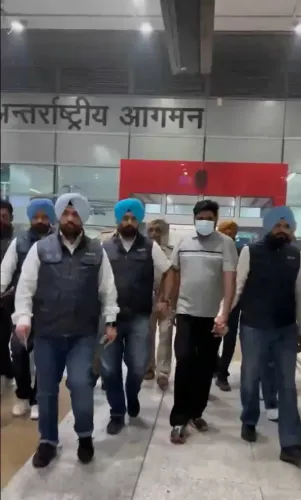
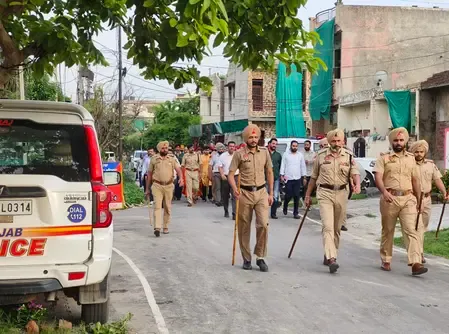
A Central Bureau of Investigation (CBI) special court in Mohali, Punjab, on Wednesday, 11 November 2026, convicted former Punjab Police Deputy Superintendent of Police (DSP) Gurmeet Singh for his role in the abduction of Amrik Singh on 25 November 1992 — a case that has wound through the Indian judicial system for over three decades.
Origins of the Case
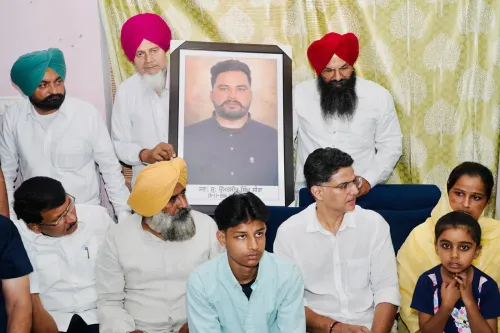
The case traces back to a Supreme Court order dated 15 November 1995, issued in response to civil writ petition number 497 of 1995 (Paramjeet Kaur vs State of Punjab). The petition was triggered by an affidavit filed by Devinder Singh, who alleged that his father, Amrik Singh, had been abducted from Hotel Amaltash in Ludhiana by a Punjab Police team led by the then-DSP Gurmeet Singh. A preliminary inquiry was registered initially, followed by a regular case on 23 February 2000.
Charge Sheet and Trial
After completing its investigation, the CBI filed a charge sheet on 27 November 2001, naming five police officials: DSP Gurmeet Singh, DSP Parminderjit Singh, Station House Officer (SHO) Suba Singh, Sub-Inspector (SI) Surinder Singh, and Assistant Sub-Inspector (ASI) Jaswant Singh. Charges were formally framed against all five on 15 April 2004, setting the stage for a prolonged trial.
Verdict and Co-Accused
At the conclusion of the trial, the court convicted former DSP Gurmeet Singh under Sections 365 (kidnapping or abducting with intent to secretly and wrongfully confine a person) and 120-B (criminal conspiracy) of the Indian Penal Code (IPC). Co-accused DSP Parminderjit Singh was acquitted. Proceedings against the remaining three accused — SHO Suba Singh, SI Surinder Singh, and ASI Jaswant Singh — were abated following their deaths.
Sentencing Scheduled for 12 November
The quantum of sentence against the convicted former DSP is scheduled to be pronounced on 12 November. The severity of the sentence will be closely watched, given the decades-long wait for accountability in what has become one of several high-profile cases linked to alleged police excesses during the turbulent early 1990s in Punjab.
What Comes Next
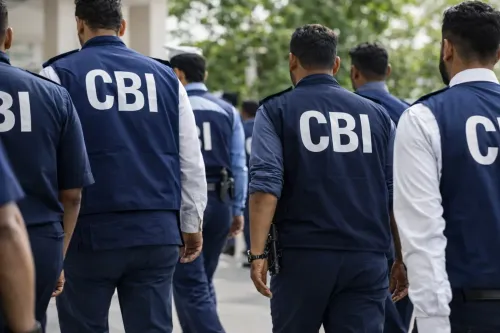
This conviction arrives at a time when the CBI has been active on multiple fronts. The case serves as a reminder that judicial proceedings stemming from the 1990s counterinsurgency era in Punjab continue to hold officers accountable, even long after the events in question. Legal observers note that the abatement of three accused due to death underscores how protracted such trials can become, often outlasting the accused themselves.
Point of View
Delivered in 2026, reflects both the resilience of CBI-led prosecution and the system's chronic delays. Three of the five accused died before a verdict — a quiet indictment of how long these proceedings can drag on. The case belongs to the dark chapter of Punjab's counterinsurgency years, when allegations of enforced disappearances and custodial abuse were widespread. That accountability has arrived at all, however belatedly, matters. The sentence the court pronounces on 12 November will signal whether the judiciary views this as a grave abuse of state power or tempers the outcome with the passage of time.
NationPress
11 Nov 2026
Frequently Asked Questions
Who is former DSP Gurmeet Singh and what was he convicted for?
Former Punjab Police Deputy Superintendent of Police Gurmeet Singh was convicted by a CBI court in Mohali on 11 November 2026 for the abduction of Amrik Singh from Hotel Amaltash in Ludhiana on 25 November 1992. He was found guilty under Sections 365 and 120-B of the Indian Penal Code, relating to kidnapping and criminal conspiracy respectively.
What is the background of the 1992 Amrik Singh abduction case?
The case stems from an affidavit filed by Devinder Singh alleging that his father Amrik Singh was abducted by a Punjab Police team led by then-DSP Gurmeet Singh on 25 November 1992. The Supreme Court ordered a CBI inquiry in 1995, and a regular case was registered on 23 February 2000, with a charge sheet filed in November 2001.
What happened to the other accused police officials in this case?
Of the five accused charged, co-accused DSP Parminderjit Singh was acquitted. Proceedings against SHO Suba Singh, SI Surinder Singh, and ASI Jaswant Singh were abated as all three died before the conclusion of the trial, leaving only DSP Gurmeet Singh to face the final verdict.
When will the sentence be pronounced against DSP Gurmeet Singh?
The CBI court is scheduled to pronounce the quantum of sentence against convicted former DSP Gurmeet Singh on 12 November 2026, the day after the conviction was delivered.
What is the significance of this verdict?
The conviction is significant because it holds a former police officer accountable for an alleged abduction carried out during Punjab's turbulent counterinsurgency period in the early 1990s, a period associated with widespread allegations of custodial abuse. The verdict, over 30 years after the incident, underscores the long arc of judicial accountability in cases involving state actors.