CM Fadnavis joins Nasha Mukt Yuva 4 Viksit Bharat drive via video
Synopsis
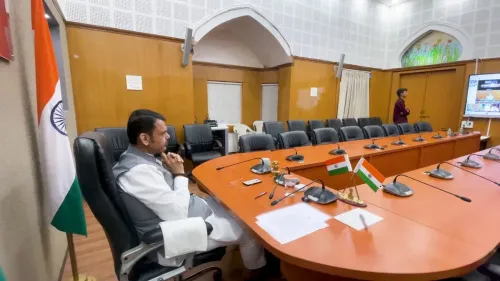
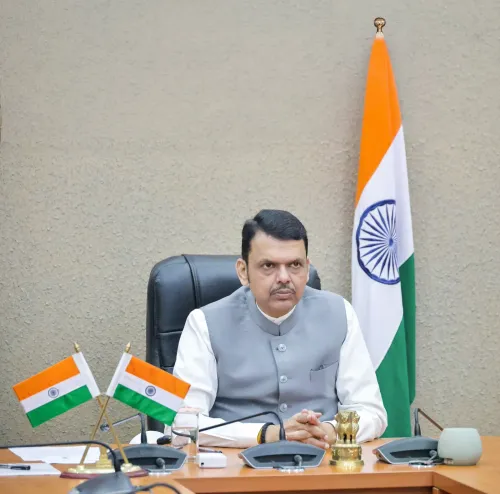
Maharashtra CM Devendra Fadnavis joined the 'Nasha Mukt Yuva for Viksit Bharat Sankalp Abhiyan' via video conferencing on 3 August 2026, backing a state-level pledge drive that links drug-free youth to India's Viksit Bharat 2047 development vision.
Key Takeaways
CM Devendra Fadnavis addressed the Nasha Mukt Yuva for Viksit Bharat Sankalp Abhiyan via video conferencing on 3 August 2026 .
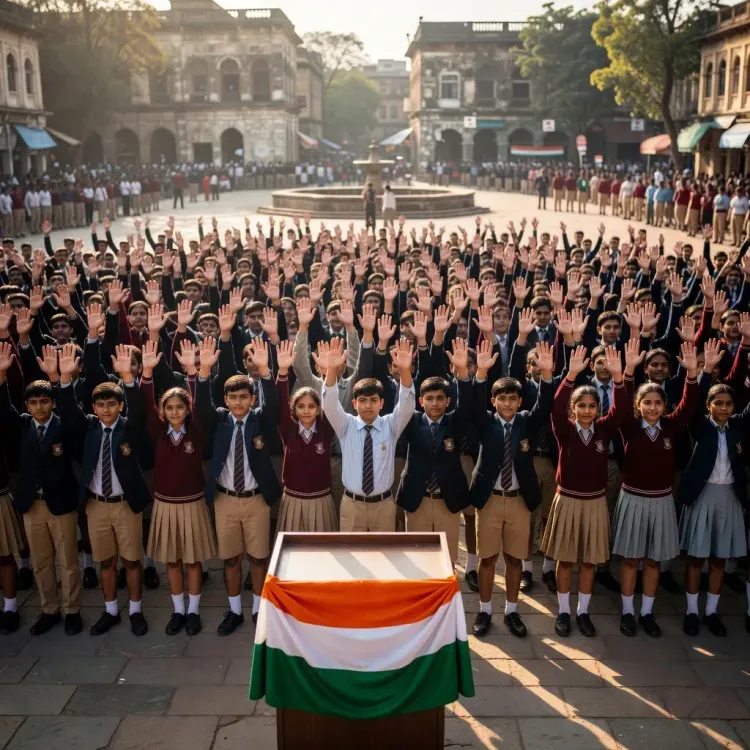
The campaign mobilises Maharashtra's youth to take a pledge against substance abuse as part of the national Viksit Bharat 2047 vision.
The abhiyan is rooted in the Centre's Nasha Mukt Bharat Abhiyan , launched in 2020 by the Ministry of Social Justice and Empowerment.
The video-conferencing format suggests simultaneous, multi-district outreach across Maharashtra.
District-level rollout and youth engagement metrics will be key indicators of the campaign's on-ground impact.
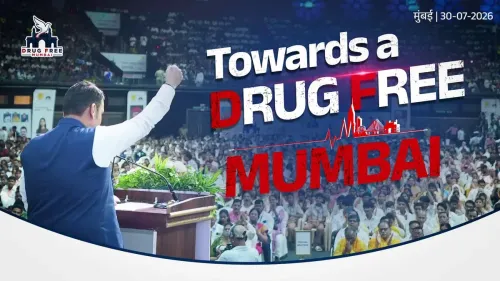
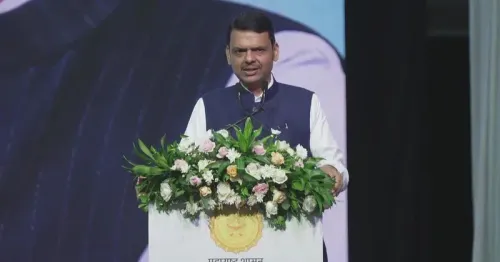
Maharashtra Chief Minister Devendra Fadnavis addressed the 'Nasha Mukt Yuva for Viksit Bharat Sankalp Abhiyan' via video conferencing on Monday, 3 August 2026, lending the state's highest executive weight to a pledge campaign that ties drug-free youth directly to India's long-horizon development goals.
What the Sankalp Abhiyan stands for
The campaign — whose name translates as 'Drug-Free Youth for a Developed India Resolve Drive' — is a state-level mobilisation effort asking Maharashtra's young people to commit to a substance-free life as a precondition for national progress. It draws its ideological spine from the Nasha Mukt Bharat Abhiyan, the central programme launched in 2020 by the Ministry of Social Justice and Empowerment to combine awareness, community outreach, and rehabilitation into a single anti-drug framework.
Maharashtra, with one of India's largest concentrations of urban and rural youth, is a high-stakes arena for such campaigns. Substance abuse — from synthetic drugs in metros to opioid misuse in agrarian belts — has been a persistent policy concern, and state governments have increasingly been asked to localise the Centre's ambitions down to the district level.
Fadnavis's video presence and what it signals
The Chief Minister's participation by video conferencing, rather than in person, suggests the event had a wide geographic footprint — a format suited to simultaneous rollout across multiple districts or divisions. His direct engagement signals that the Mahayuti government is treating youth wellness not as a peripheral welfare item but as integral to the Viksit Bharat 2047 vision, the national blueprint for transforming India into a developed economy within a generation.
Linking a drug-free pledge to that macro-goal is a deliberate framing: it positions youth health as an economic and civilisational stake, not merely a social one. The message is pointed — a generation compromised by substance abuse cannot build the India of 2047.
The district-level rollout to watch
The real test of any sankalp abhiyan is what happens after the headline event: whether pledge drives translate into sustained outreach, whether rehabilitation infrastructure is strengthened, and whether engagement numbers are tracked and published. District-level events under this abhiyan, and any reported metrics on youth participation across Maharashtra, will indicate whether the campaign has operational depth or remains a high-profile launch.
For now, the Chief Minister has put the state's credibility behind the drive. The baton passes to the district machinery.
Point of View
Which has staked much on governance optics, being seen to own the anti-drug agenda in Maharashtra strengthens its positioning among urban middle-class and aspirational rural voters. The deeper question is whether this high-profile launch is backed by commensurate investment in rehabilitation infrastructure and measurable district-level targets. Campaigns that stay at the pledge-and-podium stage rarely move the needle on substance abuse; the ones that do are built on sustained, unglamorous ground-level work.
NationPress
17 Sept 2026
Frequently Asked Questions
What is the Nasha Mukt Yuva for Viksit Bharat Sankalp Abhiyan?
It is a Maharashtra state-level pledge campaign encouraging young people to commit to a drug-free life, framed as a contribution to India's Viksit Bharat 2047 national development goal.
What did CM Devendra Fadnavis do at the Nasha Mukt Yuva Abhiyan event?
Fadnavis addressed the campaign event via video conferencing on 3 August 2026, lending the Chief Minister's direct endorsement to the drug-free youth drive.
What is the Nasha Mukt Bharat Abhiyan and how is it related?
The Nasha Mukt Bharat Abhiyan is a central government programme launched in 2020 by the Ministry of Social Justice and Empowerment to tackle drug abuse through awareness and rehabilitation; Maharashtra's Sankalp Abhiyan is a state-level extension of that framework.
Why is Maharashtra a focus for anti-drug campaigns?
Maharashtra has one of India's largest youth populations across urban and rural areas, making it a high-priority state for substance abuse prevention under both central and state government programmes.
What should we watch for next in this campaign?
District-level events across Maharashtra and any published metrics on youth pledges and rehabilitation outreach will reveal whether the abhiyan has operational depth beyond the launch event.