CM Fadnavis Orders Blockchain, AI for Tribal Caste Verification
Synopsis
Chief Minister Devendra Fadnavis chaired the 52nd Maharashtra Tribal Advisory Council meeting in Mumbai on 2 July 2026, ordering blockchain and AI-driven ST caste verification, raising the tribal scheme income ceiling to Rs 4 lakh, and directing priority welfare delivery for communities including the Pardhi.
Key Takeaways
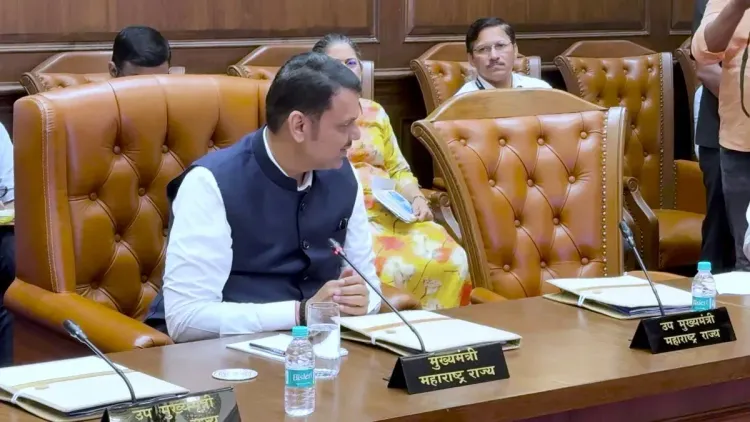
The 52nd Maharashtra State Tribal Advisory Council meeting was held at Vidhan Bhavan, Mumbai on 2 July 2026 under CM Devendra Fadnavis .
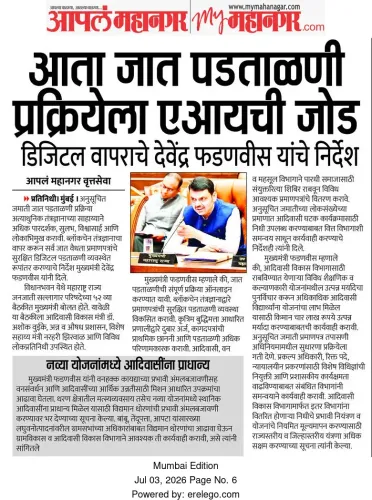
Blockchain technology is to be used to create a secure digital verification system for all ST caste validity certificates, with the entire process moved online.
AI-based systems will screen duplicate applications and perform preliminary document scrutiny for caste verification.
The income ceiling for tribal education and welfare schemes is to be raised to a minimum of Rs 4,00,000 to expand student beneficiary coverage.
The Pardhi community will receive joint certificate distribution camps organised by the Tribal, Forest, and Revenue departments.
Gram sabha rights over minor forest produce such as bamboo, tendu leaves, and apta are to be reviewed, and local tribal communities are to be prioritised in reservoir fisheries.
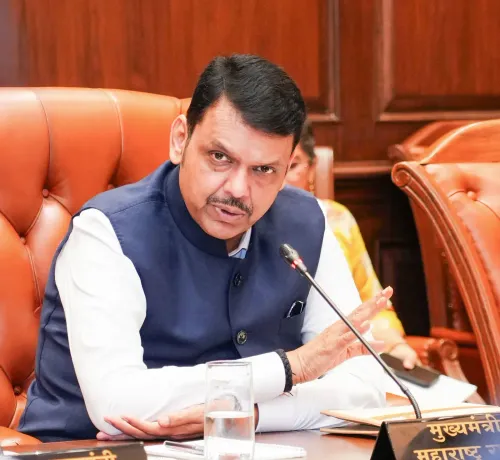
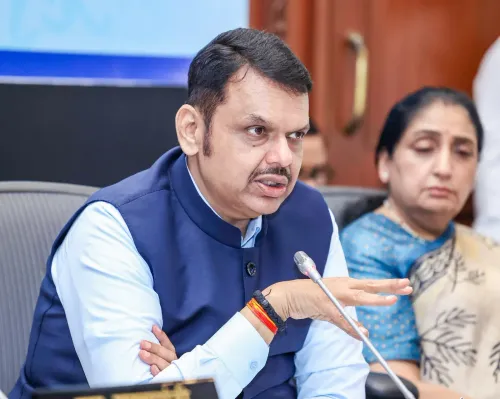
Chief Minister Devendra Fadnavis presided over the 52nd meeting of the Maharashtra State Tribal Advisory Council at Vidhan Bhavan, Mumbai on Thursday, 2 July 2026, directing the state to deploy blockchain technology and artificial intelligence to overhaul the Scheduled Tribe caste verification process and accelerate tribal welfare delivery.
Context
The Chief Minister's Office announced that CM Fadnavis issued directives to make the entire ST caste verification process fully online, with blockchain-backed secure digital storage of all caste validity certificates. 'ब्लॉकचेन-एआयच्या मदतीने जात पडताळणी' ('Caste verification with the help of blockchain and AI') was the headline thrust of the meeting. AI-based systems are to be deployed for screening duplicate applications, preliminary scrutiny of documents, and more effective verification.
The 52nd council session also reviewed implementation of the Forest Rights Act, minor forest produce governance, reservoir fisheries, and the functioning of tribal education and welfare schemes across the state.
Policy Backdrop
The Maharashtra State Tribal Advisory Council is a statutory body that advises the government on Scheduled Tribe welfare under constitutional provisions, and has met periodically since the state's formation. State-level digitisation of caste and tribe certificates began in the 2010s, but fraud, delays, and duplicate filings have remained persistent concerns. The new blockchain-and-AI framework is intended to address these systemic gaps by creating a tamper-proof, publicly auditable certificate trail.
CM Fadnavis also directed the Finance Department to coordinate on ensuring tribal sub-plan funds are allocated in proportion to the Scheduled Tribe population. For tribal education and welfare schemes, the income ceiling is to be revised upward to a minimum of Rs 4,00,000 so that more tribal students can access scheme benefits. Amendments to the Scheduled Tribes Certificate Scrutiny Act are to be expedited, with special legal counsel appointed for pending court cases and vacant project officer posts filled.
Stakeholders and Impact
The Pardhi community — a Scheduled Tribe group in Maharashtra historically dependent on traditional livelihoods — received specific attention. The Tribal, Forest, and Revenue departments were directed to jointly organise camps for the Pardhi community to distribute essential certificates. This reflects ongoing efforts to reach the most administratively excluded tribal groups.
For forest-dependent communities, CM Fadnavis reviewed mission-based initiatives linking forest conservation with economic uplift. He directed that existing policies on gram sabha rights over minor forest produce — including bamboo, tendu leaves, and apta — be reviewed, with the Rural Development and Tribal Development departments taking necessary action. Local tribal communities are also to be given priority in reservoir fisheries and new schemes under existing policy frameworks.
State-level and district-level monitoring mechanisms for tribal welfare funds distributed to other departments are to be strengthened, and a robust oversight system is to be created for effective scheme implementation. Ministers Dr. Ashok Uike and Narhari Zirwal, along with other MLAs and senior officials, were present at the meeting.
What's Next
The General Administration Department and the Tribal Development Department have been directed to work in coordination to resolve pending issues on time and ensure that tribal citizens receive scheme benefits in a simpler, more transparent, and technology-driven manner. All necessary measures are to be implemented on a priority basis. The rollout timeline for the blockchain verification platform and the revised income ceiling for educational schemes will be closely watched as indicators of how quickly these directives translate into on-ground change.
Frequently Asked Questions
What was decided at the 52nd Maharashtra Tribal Advisory Council meeting?
CM Devendra Fadnavis directed that blockchain and AI technology be used to make ST caste verification fully online and tamper-proof, the income ceiling for tribal welfare schemes be raised to Rs 4 lakh, and joint certificate camps be held for the Pardhi community.
How will blockchain be used for tribal caste certificate verification in Maharashtra?
All Scheduled Tribe caste validity certificates will be converted into a secure digital verification system using blockchain technology, making them tamper-proof and auditable. AI will additionally be used to screen duplicate applications and conduct preliminary document checks.
What is the new income limit for Maharashtra tribal welfare schemes?
CM Fadnavis directed that the income ceiling for tribal education and welfare schemes be set at a minimum of Rs 4,00,000 so that more tribal students and families can access government benefits.
Who is the Pardhi community and what was announced for them?
The Pardhi are a Scheduled Tribe community in Maharashtra with limited access to administrative services. The Tribal, Forest, and Revenue departments were directed to jointly organise camps to distribute essential certificates to the Pardhi community.
What is the Maharashtra State Tribal Advisory Council?
It is a statutory body that advises the Maharashtra government on matters related to Scheduled Tribe welfare and development, and has been meeting periodically since the state's formation under constitutional provisions.