Fadnavis calls Rahul Gandhi 'anarchic', accuses him of undermining institutions
Synopsis
Maharashtra Chief Minister Devendra Fadnavis branded Rahul Gandhi’s mindset ‘anarchic’, firing back after the Congress leader accused the Election Commission of helping the BJP steal opposition parties—from Shiv Sena and NCP to now Trinamool Congress. The row signals a sharper, broader opposition push to frame the ECI as a partisan actor ahead of future electoral contests.
Key Takeaways
Maharashtra CM Devendra Fadnavis called Rahul Gandhi’s mindset ‘anarchic’ at a Mumbai event on 18 September 2026 .
Fadnavis accused Gandhi of undermining constitutional institutions to mask his ‘electoral losing streak’.
Gandhi had posted on X accusing the Election Commission of India (ECI) of aiding the BJP in splitting opposition parties and seizing their symbols.
Gandhi cited a pattern spanning Shiv Sena , NCP , and now Trinamool Congress , calling it ‘vote theft, government theft, party theft’.
The dispute escalates a sustained opposition campaign against ECI rulings on factional splits within opposition-aligned parties.
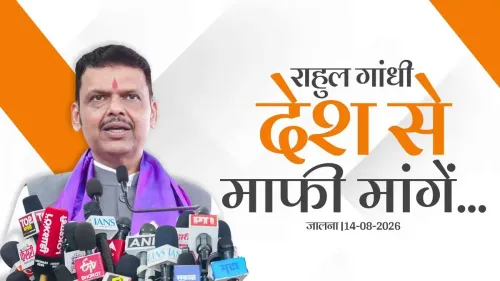
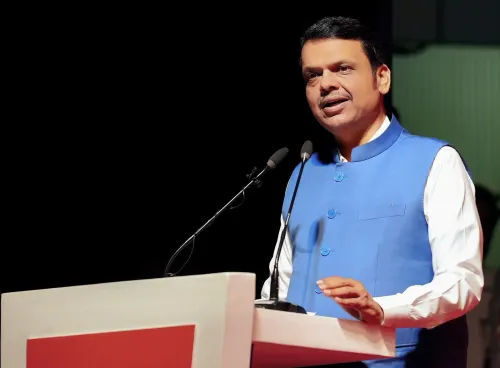
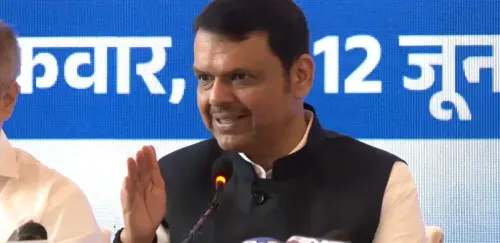
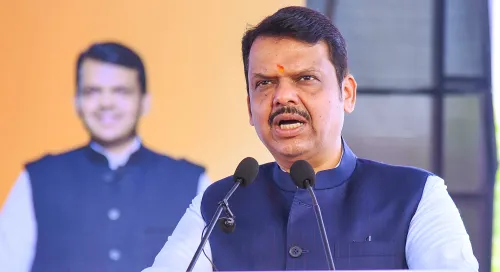
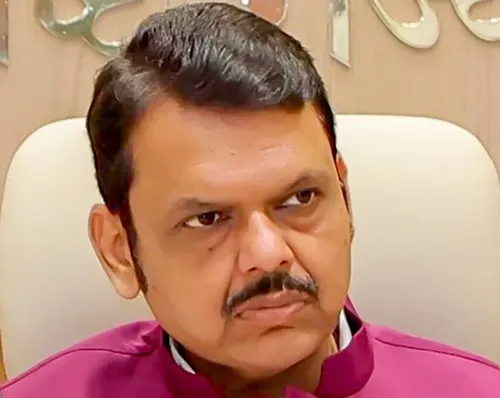
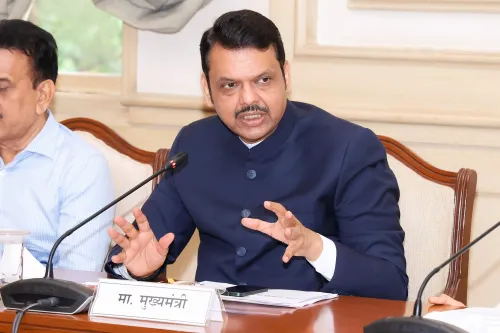
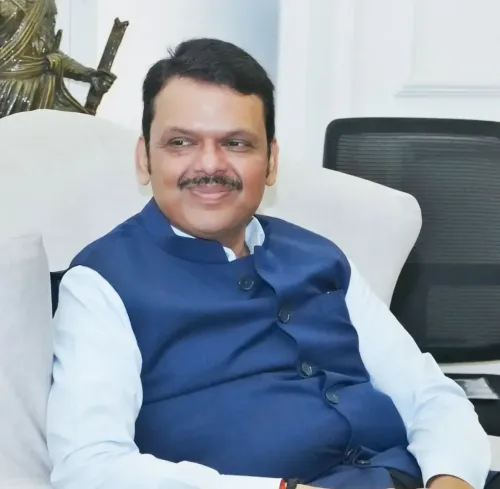
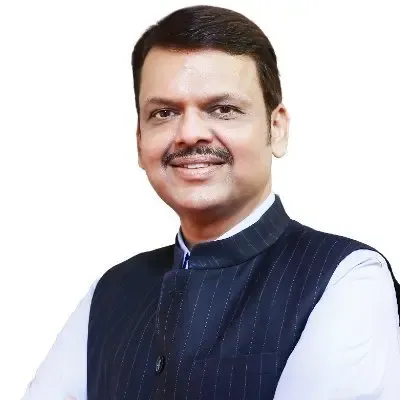
Maharashtra Chief Minister Devendra Fadnavis on Friday, 18 September launched a pointed attack on Leader of the Opposition in the Lok Sabha Rahul Gandhi, branding his mindset “archaic” and accusing him of deliberately eroding public confidence in constitutional institutions to deflect from a string of electoral defeats. Fadnavis made the remarks to media persons on the sidelines of an event in Mumbai.
What Fadnavis Said
The Chief Minister dismissed Gandhi’s recent broadsides against the Election Commission of India (ECI) over its decisions on party symbols and names, including those of the Shiv Sena, Nationalist Congress Party (NCP), and All India Trinamool Congress (TMC).
“Rahul Gandhi refuses to accept that the people of India have rejected his leadership. His problem is simple: the injury is on his forehead, but he keeps tying the bandage on his knee. The day he realises what the citizens of India truly want and why they stand firmly behind Prime Minister Narendra Modi, his electoral losing streak might end,” Fadnavis remarked.
He further alleged that Gandhi was pushing a dangerous narrative designed to hollow out democratic structures. “He is attempting to defame the institutions created by the Indian Constitution so that people lose faith in them. Once public faith in these institutions breaks down, trust in democracy shatters, leading to a complete erosion of faith in the Constitution itself,” Fadnavis said.
The Rahul Gandhi Post That Triggered the Clash
Fadnavis’ remarks were a direct response to a post by Gandhi on social media platform X, in which the Congress leader strongly criticised the ECI over its order freezing the Trinamool Congress name and symbol.
Gandhi wrote: “First Shiv Sena, then NCP, and now Trinamool Congress. Every time, the same pattern: BJP and the Election Commission join forces to split a party. Then it snatches away its election symbol. When an entire party can be stolen, it’s hardly surprising that the votes of millions of Indians can be stolen too. Vote theft. Government theft. Now, party theft — these have become symbols of our democratic decline.”
He also stated: “The ECI’s constitutional responsibility is to protect the mandate, but instead, it’s aiding those very forces that overturn the people’s verdict. This fight isn’t just Mamata Banerjee’s. It’s the fight of every political party, every voter who wants free and fair elections.”
Broader Political Context
The exchange is the latest episode in a sustained confrontation between the ruling Bharatiya Janata Party (BJP) and the Congress over the ECI’s handling of factional disputes within opposition parties. The ECI’s rulings on the Shiv Sena and NCP splits — both in Maharashtra — awarded party names and symbols to factions aligned with the ruling alliance, decisions that opposition leaders have consistently contested. The Trinamool Congress dispute adds a national dimension, drawing in West Bengal Chief Minister Mamata Banerjee’s party for the first time.
Notably, Fadnavis’ remarks come at a time when the BJP is seeking to consolidate its position in Maharashtra ahead of the state’s political calendar, making the Congress-ECI controversy a useful counter-narrative to opposition unity efforts.
What Comes Next
With Gandhi framing the ECI dispute as a pan-opposition issue, the controversy is likely to sharpen ahead of any upcoming electoral tests. The Congress and its allies are expected to continue pressing the ECI on its adjudication process, while the BJP will likely maintain that the Commission acted impartially within its constitutional mandate.
Point of View
Not just rhetoric — it frames Gandhi’s institutional critique as anti-democratic rather than engaging with the substance of the ECI’s rulings. Gandhi’s argument, meanwhile, has structural logic: three consecutive ECI rulings that benefited ruling-alliance factions in Shiv Sena, NCP, and now TMC is a pattern that demands scrutiny, not dismissal. The BJP’s safest counter is to personalise the attack on Gandhi rather than defend the Commission’s process on merits. What mainstream coverage misses is the longer game: Gandhi is trying to forge a pan-opposition grievance around ECI credibility, which, if it sticks, could reshape how swing voters perceive electoral legitimacy well before the next general election.
NationPress
18 Sept 2026
Frequently Asked Questions
Why did Devendra Fadnavis call Rahul Gandhi ‘anarchic’?
Maharashtra Chief Minister Devendra Fadnavis used the term on 18 September 2026 in Mumbai, accusing Gandhi of deliberately undermining public faith in constitutional institutions — particularly the Election Commission — to distract from his own repeated electoral defeats. Fadnavis argued that Gandhi’s narrative was dangerous because eroding trust in institutions ultimately damages democracy itself.
What did Rahul Gandhi say about the Election Commission?
Gandhi posted on X accusing the Election Commission of India of following a pattern — first Shiv Sena, then NCP, now Trinamool Congress — where it allegedly joins forces with the BJP to recognise a splinter faction and strip the original party of its name and symbol. He called it ‘vote theft, government theft, party theft’ and said the ECI was failing its constitutional duty to protect the people’s mandate.
What triggered the latest round of the Election Commission controversy?
The immediate trigger was an ECI order freezing the Trinamool Congress name and symbol, which Gandhi cited as the latest in a series of decisions he claims benefit BJP-aligned factions in opposition parties. Earlier ECI rulings on the Shiv Sena and NCP splits in Maharashtra had already drawn similar criticism from the opposition.
How does this dispute affect opposition unity?
Gandhi explicitly framed the ECI controversy as a shared cause for all opposition parties and voters, saying ‘this fight isn’t just Mamata Banerjee’s.’ The move signals a deliberate effort to build a pan-opposition platform around ECI credibility, which could deepen coordination between the Congress and regional parties like the Trinamool Congress ahead of future elections.
What has been the BJP’s broader response to ECI criticism?
BJP leaders, including Fadnavis, have consistently argued that the Election Commission acts impartially within its constitutional mandate and that opposition criticism of the body is an attempt to delegitimise democratic outcomes the opposition has lost. Fadnavis specifically alleged that Gandhi’s attacks on institutions are designed to undermine public trust in democracy when electoral verdicts go against him.