CM Fadnavis Hails India's 39-Medal CWG 2026 Haul, Salutes Maharashtra Stars
Synopsis
Maharashtra CM Devendra Fadnavis congratulated Team India on a 39-medal haul at the Glasgow Commonwealth Games 2026, giving special recognition to para-sprinter Dilip Gavit's gold in the Men's 100m T47 and high jumper Sarvesh Kushare's silver.
Key Takeaways
Team India finished the Glasgow Commonwealth Games 2026 with 39 medals: 13 Gold, 17 Silver, and 9 Bronze .
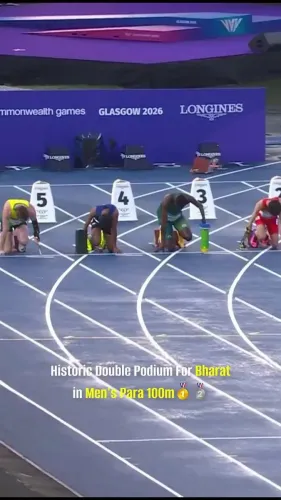
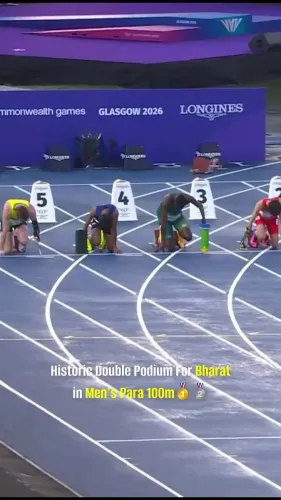
Dilip Gavit won gold in the Men's 100m T47 Para Athletics event, representing Maharashtra on the world stage.
Sarvesh Kushare secured silver in the Men's High Jump , adding a second podium finish for Maharashtra.
Maharashtra CM Devendra Fadnavis publicly named both athletes, elevating para-sports recognition alongside mainstream events.
The post reflects a broader trend of Indian political leaders explicitly acknowledging para-athletes in national sporting tributes.
Thirty-nine medals. Thirteen gold. And two names from Maharashtra that Chief Minister Devendra Fadnavis made sure the nation heard on Monday, 3 August 2026 — because when a state sends athletes to Glasgow and they come back with gold and silver, a Chief Minister takes notice.
Fadnavis took to X to congratulate Team India on what he called a 'remarkable performance' at the Glasgow Commonwealth Games 2026, citing a final tally of 39 medals — 13 Gold, 17 Silver, and 9 Bronze. The post was warm, specific, and pointed: national pride first, then a deliberate spotlight on Maharashtra's own.
Dilip Gavit's Gold in Men's 100m T47
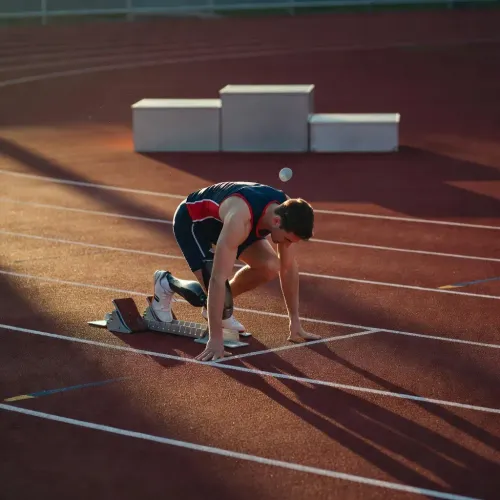
Dilip Gavit claimed gold in the Men's 100m T47 category at the Para Athletics track — a discipline for athletes with an affected arm or hand. It is the kind of result that rarely leads a bulletin but deserves to. Fadnavis called it out by name, a signal that Maharashtra's para-athletes are no longer a footnote in the state's sporting conversation.
The T47 sprint demands explosive power and flawless technique from a single-arm-functional athlete. Gavit's gold puts him among India's elite para-sprinters on the world stage.
Sarvesh Kushare's Leap to Silver in Men's High Jump
Sarvesh Kushare secured silver in the Men's High Jump — a field event where centimetres separate nations and careers. High jump has long been one of India's more competitive track-and-field disciplines at the Commonwealth level, and Kushare's podium finish adds a fresh name to that tradition.
For Maharashtra, two podium finishes at a single Commonwealth Games edition is a statement about the depth of talent the state is producing — and the kind of result that tends to accelerate government attention toward sports infrastructure investment.
India's CWG Medal Pattern and the Politics of Recognition
India has competed at every Commonwealth Games since independence, and the political ritual of congratulating medal-winners is as established as the competition itself. What has shifted in recent years is the deliberate, visible inclusion of para-athletes in those congratulations — no longer a separate category acknowledged quietly, but named alongside their able-bodied peers in the same breath.
Fadnavis's post reflects that shift. By naming Gavit's para gold in the same sentence as Kushare's high jump silver, the Chief Minister signals — intentionally or not — that Maharashtra's sporting ambition does not stop at the able-bodied track.
With 39 medals in the bag, the question now is what comes next: whether the performance translates into concrete infrastructure commitments, enhanced stipends, or state-backed training programmes for the athletes who delivered these results.
Medals are won in Glasgow. Legacies are built in the months that follow.
Point of View
Maharashtra's medal-winners as the payload. By naming Dilip Gavit's para gold in the same line as Sarvesh Kushare's high jump silver, he subtly elevates para-sports within the state's sporting identity, a move that costs nothing politically and builds goodwill with a growing community of para-athletes and their networks. The broader pattern here is worth watching: when Chief Ministers begin naming para-athletes by event and category — not just 'our para-athletes' — it tends to precede policy attention, whether that means enhanced state stipends, dedicated training facilities, or inclusion in state sports awards. Whether Maharashtra follows through will be the real story.
NationPress
17 Sept 2026
Frequently Asked Questions
How many medals did India win at the Commonwealth Games 2026?
India won 39 medals at the Glasgow Commonwealth Games 2026 — 13 Gold, 17 Silver, and 9 Bronze , according to Maharashtra CM Devendra Fadnavis's post on X.
Who is Dilip Gavit and what did he win at CWG 2026?
Dilip Gavit is a Maharashtra para-athlete who won the Gold medal in the Men's 100m T47 category at the Glasgow Commonwealth Games 2026. The T47 class is for athletes with an affected arm or hand.
What did Sarvesh Kushare win at the Glasgow Commonwealth Games 2026?
Sarvesh Kushare won the Silver medal in the Men's High Jump at the Commonwealth Games 2026 in Glasgow, as acknowledged by CM Devendra Fadnavis.
What did CM Devendra Fadnavis say about CWG 2026?
CM Fadnavis posted on X congratulating all Indian athletes on their 'remarkable performance,' citing the 39-medal tally and specifically praising Maharashtra's Dilip Gavit and Sarvesh Kushare for their gold and silver medals respectively.
Where were the Commonwealth Games 2026 held?
The Commonwealth Games 2026 were held in Glasgow, Scotland , making it the second time Glasgow hosted the Games after its first edition in 2014 .