CM Fadnavis hosts GST Day 2026 ceremony in Mumbai
Synopsis
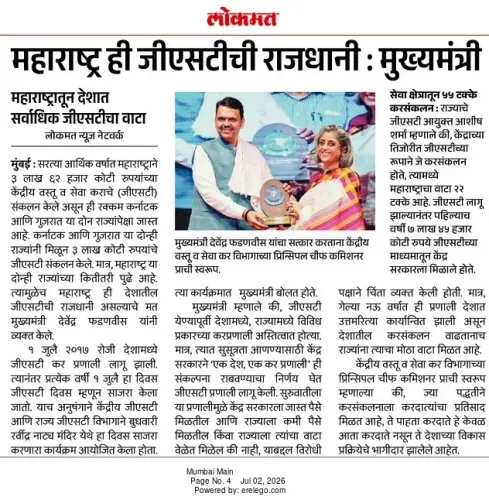
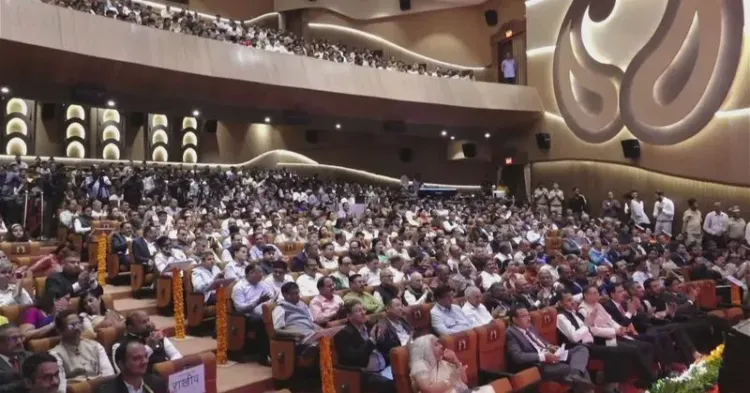
Maharashtra Chief Minister Devendra Fadnavis hosted the GST Day 2026 ceremony in Mumbai on 1 July, marking nine years of India's unified indirect tax regime. The live event underscored Maharashtra's central role in national GST compliance and revenue generation.
Key Takeaways
Maharashtra CM Devendra Fadnavis hosted the GST Day 2026 ceremony live in Mumbai on 1 July 2026 at 4:20 PM IST .
GST Day marks the anniversary of the Goods and Services Tax rollout on 1 July 2017 , which replaced central excise, service tax, and state VAT.
The tax reform was enabled by the 122nd Constitutional Amendment Act, 2016 .
Maharashtra is one of India's largest contributors to national GST collections due to its manufacturing and services economy.
The GST Council , comprising Union and state finance ministers, oversees rate changes and procedural reforms that affect all stakeholders.
Industry and taxpayers will watch for any compliance data or policy signals emerging from the Mumbai event.
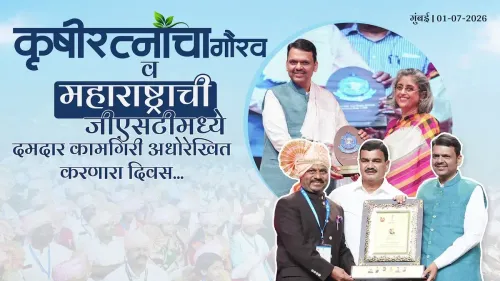
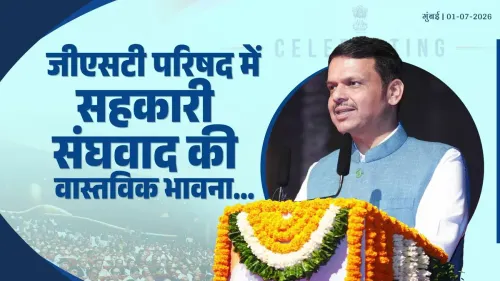
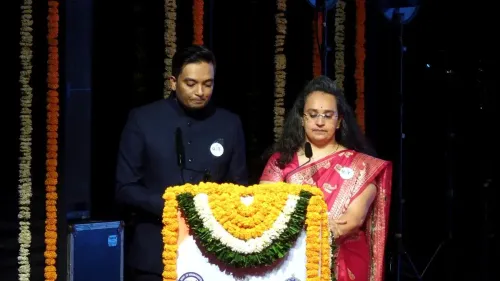
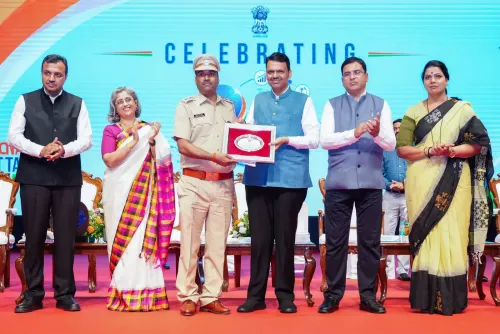
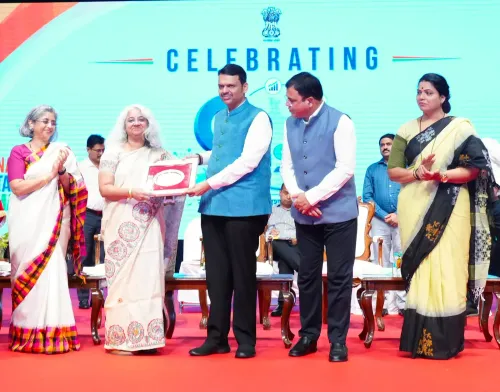
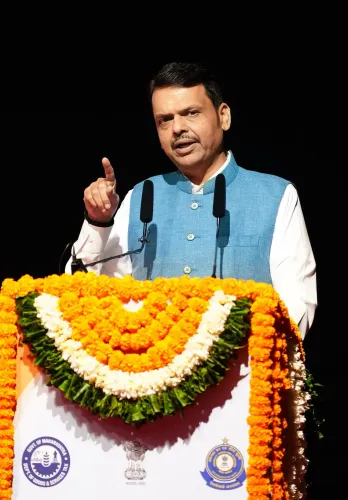
Maharashtra Chief Minister Devendra Fadnavis on Wednesday, 1 July 2026, presided over the Goods and Services Tax (GST) Day 2026 ceremony held in Mumbai, marking nine years since the landmark unified tax regime came into force across India. The event, broadcast live, began at 4:20 PM IST and was flagged by the Chief Minister on his official social-media handle.
Context
GST Day is observed every year on 1 July to commemorate the rollout of the Goods and Services Tax on 1 July 2017, when the regime subsumed dozens of central and state levies — including central excise duty, service tax, and state VAT — into a single destination-based, value-added tax structure. The 122nd Constitutional Amendment Act, 2016, laid the legal foundation for this overhaul, which is widely regarded as one of independent India's most consequential fiscal reforms.
Chief Minister Fadnavis's post, written in Marathi, announced the live broadcast of the Vastu va Seva Kar Divas Samarambh 2026 [GST Day ceremony 2026], signalling the state government's active participation in the national observance.
Policy Backdrop
Maharashtra is India's most industrialised state and consistently ranks among the top contributors to national GST collections, given its large manufacturing base and dominant services sector headquartered in Mumbai, the country's financial capital. The state government has historically run its own taxpayer outreach and compliance programmes alongside the central administration's efforts.
Since 2017, the GST Council — the constitutional body of Union and state finance ministers — has met dozens of times to rationalise rates, expand the e-invoicing mandate, and refine the return-filing architecture. Each annual GST Day ceremony typically serves as a platform to highlight compliance milestones and announce administrative improvements.
Stakeholders and Impact
The ceremony is directly relevant to businesses, traders, and taxpayers across Maharashtra and the country at large. For the state exchequer, buoyant GST revenues underpin spending on infrastructure, social welfare, and debt management. Industry bodies and small-business associations watch GST Day events closely for signals on rate rationalisation or procedural simplification.
For the BJP-led Maharashtra government, hosting a high-profile GST Day event in Mumbai also carries political significance — it reinforces the ruling alliance's alignment with the Centre's economic reform narrative ahead of any upcoming legislative or local-body electoral cycles.
What's Next
Attention will now turn to any policy announcements or compliance data released during or after the Mumbai ceremony. At the national level, the next GST Council meeting's agenda — expected to cover rate rationalisation and further expansion of e-invoicing — will be closely watched by industry and state finance departments alike.
Maharashtra's own budget proposals for GST-related incentives or enforcement measures will also be a key indicator of how the state plans to sustain and grow its share of national indirect-tax collections in the year ahead.
Point of View
State-level ceremonies have evolved from mere commemorations into platforms for showcasing compliance gains and lobbying for rate or procedural concessions at the GST Council. For a state that contributes a disproportionately large share of national indirect-tax revenue, such visibility matters in inter-governmental fiscal negotiations. The live-broadcast format also reflects a broader trend of state governments using real-time digital outreach to connect economic governance with public communication.
NationPress
1 Oct 2026
Frequently Asked Questions
What is GST Day and why is it celebrated on 1 July?
GST Day is observed on 1 July every year to mark the launch of the Goods and Services Tax on 1 July 2017 , when India replaced a fragmented system of central and state taxes with a single unified indirect tax regime.
What happened at the GST Day 2026 event in Mumbai?
Maharashtra Chief Minister Devendra Fadnavis hosted the GST Day 2026 ceremony in Mumbai on 1 July 2026 , with the event broadcast live starting at 4:20 PM IST . Specific announcements from the event are subject to official disclosure.
How much does Maharashtra contribute to India's GST collections?
Maharashtra is consistently among the top-contributing states to national GST revenues, driven by its large manufacturing base and the services sector concentrated in Mumbai , though exact figures vary by fiscal year and are published by the Finance Ministry.
What is the GST Council and what does it do?
The GST Council is a constitutional body comprising the Union Finance Minister and state finance ministers. It recommends GST rates, exemptions, and procedural changes, balancing revenue needs of both the Centre and states.
What reforms have been made to GST since it was launched in 2017?
Since its launch, the GST Council has made hundreds of rate revisions, expanded the e-invoicing mandate to smaller businesses, simplified the return-filing system, and introduced measures to curb tax evasion — all aimed at improving compliance and ease of doing business.