CM Fadnavis Hails GST Council as Model of Cooperative Federalism
Synopsis
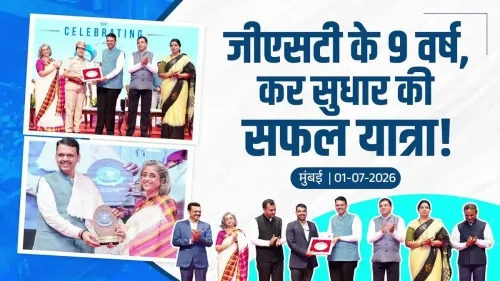
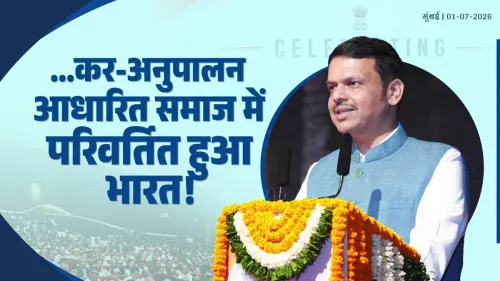
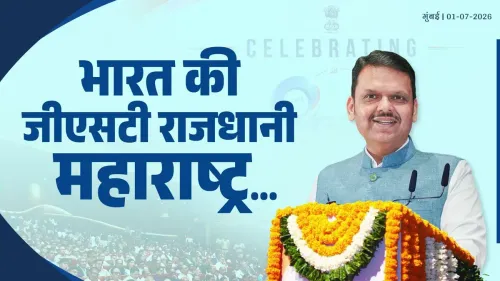
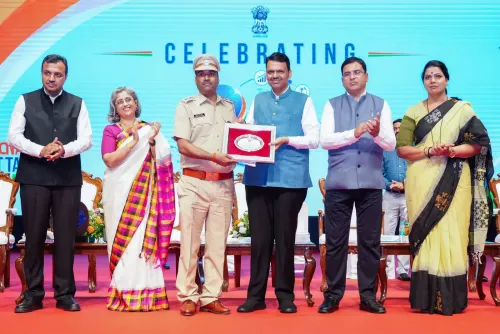
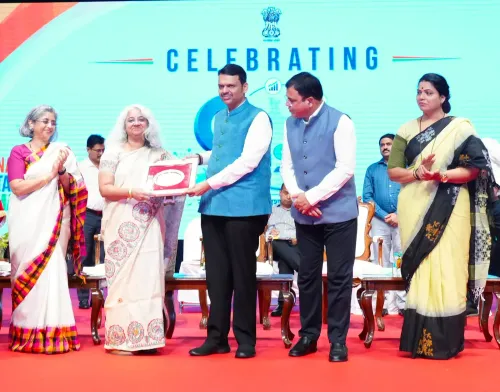
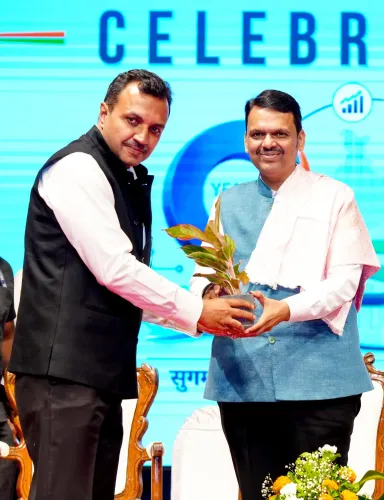
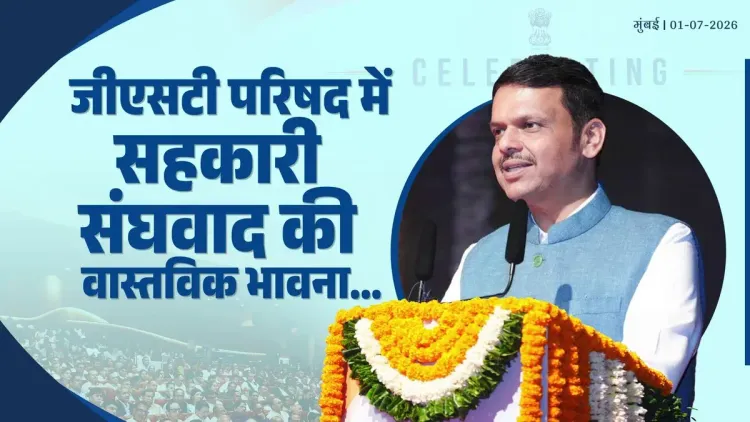
At the 9th GST Day ceremony in Mumbai on 1 July 2026, Maharashtra CM Devendra Fadnavis declared that the GST Council embodies the true spirit of cooperative federalism, marking nine years of India's unified indirect tax regime.
Key Takeaways
Devendra Fadnavis spoke at the 9th GST Day celebrations in Mumbai on 1 July 2026 .
He described the GST Council as the truest institutional expression of cooperative federalism between the Centre and states.
The GST was launched on 1 July 2017 under the 101st Constitutional Amendment Act, 2016 , replacing multiple indirect taxes.
The GST Council , constituted under Article 279A , has met more than 50 times to set rates and resolve Centre-state disputes.
Key upcoming issues include rate rationalisation and the possible inclusion of petroleum products under GST.
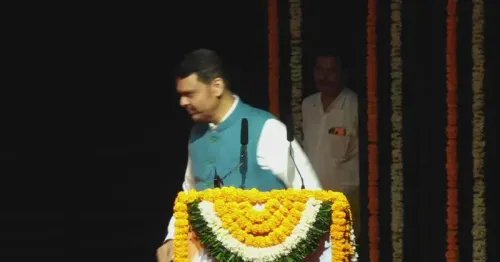
Maharashtra Chief Minister Devendra Fadnavis on Wednesday, 1 July 2026, invoked the spirit of cooperative federalism while speaking at the 9th GST Day celebrations held in Mumbai, marking nine years since the Goods and Services Tax came into force across India.
Context
Posting on X, Fadnavis wrote in Marathi and Hindi: 'जीएसटी परिषदेत सहकारी संघराज्यवादाची खरी भावना दिसून येते' — 'The true spirit of cooperative federalism is visible in the GST Council.' The bilingual post, addressed to his own handle, was tied to the official 9th Goods and Services Tax Day ceremony 2026 in Mumbai.
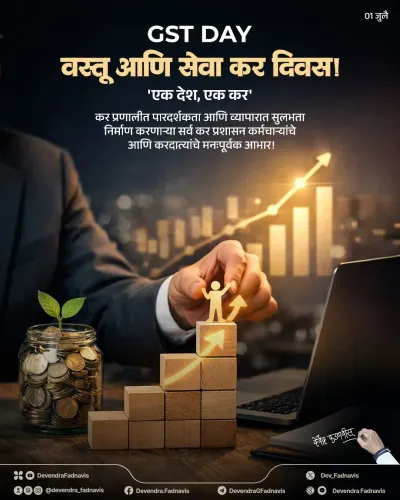
The GST was rolled out on 1 July 2017 under the 101st Constitutional Amendment Act, 2016, replacing a patchwork of central and state indirect taxes. Each anniversary is observed as GST Day, with the 2026 edition being the ninth such commemoration.
Policy Backdrop
The GST Council, a constitutional body established under Article 279A, brings together the Union Finance Minister and state finance ministers to jointly decide tax rates, exemptions, and compliance norms. Its voting structure — requiring a three-fourths majority, with the Centre holding one-third weight — compels negotiation between ruling and opposition-led states alike.
Since its first meeting in 2016, the Council has convened more than 50 times, adjusting hundreds of rate slabs and resolving Centre-state disputes through consensus. The central government has consistently cited the Council as the foremost institutional expression of cooperative federalism in fiscal policy.
Maharashtra, as one of India's largest revenue-contributing states, has been an active participant in GST Council deliberations, making the choice of Mumbai as the host city for the 2026 ceremony symbolically significant.
Stakeholders and Impact
The GST framework directly affects state governments, which surrendered their independent indirect-tax powers in exchange for a guaranteed revenue share and a seat at the Council table. Businesses and taxpayers across the country operate under the unified regime that replaced levies such as VAT, service tax, and central excise duty.
Opposition-governed states have at various points raised concerns about the adequacy of revenue compensation and the pace of rate rationalisation — debates that play out precisely within the Council forum that Fadnavis highlighted. His remarks, coming from a BJP-led state government, underline the ruling dispensation's position that the Council model is working as intended.
What's Next
Attention now turns to the next GST Council meeting, where rate rationalisation and the long-pending question of bringing petroleum products under GST are expected to feature on the agenda. State finance ministers' positions on revenue-sharing arrangements will be closely watched ahead of any legislative or administrative changes.
As GST enters its tenth year, Fadnavis's remarks signal that the Centre-state compact underpinning the tax architecture will remain a key political and economic talking point — both as a governance achievement and as a benchmark for future fiscal federalism debates in India.
Point of View
Reinforcing the BJP-led government's narrative that Centre-state institutions function best through structured consensus rather than confrontation. By hosting the 9th GST Day in Mumbai and publicly endorsing the Council model, Maharashtra positions itself as a cooperative partner in national fiscal architecture — a contrast to opposition-led states that have periodically contested revenue-sharing terms. The remarks also pre-empt likely friction ahead of the next Council meeting on rate rationalisation and petroleum inclusion, framing any disagreements as resolvable within the existing framework. More broadly, the statement adds to a pattern of BJP-governed states using GST Day as a platform to validate the post-2017 federal compact.
NationPress
30 Sept 2026
Frequently Asked Questions
What did CM Devendra Fadnavis say on GST Day 2026?
At the 9th GST Day ceremony in Mumbai on 1 July 2026, Fadnavis stated that the GST Council reflects the true spirit of cooperative federalism between the Centre and states.
What is GST Day and why is it celebrated?
GST Day is observed on 1 July every year to mark the anniversary of the Goods and Services Tax, which was launched across India on 1 July 2017, replacing multiple central and state indirect taxes.
What is the GST Council and how does it work?
The GST Council is a constitutional body under Article 279A comprising the Union Finance Minister and state finance ministers. It decides GST rates, exemptions, and compliance rules through a three-fourths majority vote, with the Centre holding one-third of the voting weight.
Why is the GST Council called a model of cooperative federalism?
Because it requires both the Centre and states — including those governed by opposition parties — to negotiate and reach consensus on tax policy, giving states a formal institutional voice in national fiscal decisions.
What are the key issues before the GST Council in 2026?
Rate rationalisation and the possible inclusion of petroleum products under GST are among the major agenda items expected at upcoming GST Council meetings.