CM Fadnavis at Nagpur: Info Is Not Knowledge
Synopsis
Chief Minister Devendra Fadnavis closed IPEC 2026 in Nagpur by urging school principals to transform information into knowledge, embrace AI critically, champion mother-tongue learning, and act on NEP 2020 — promising government action on conference recommendations.
Key Takeaways
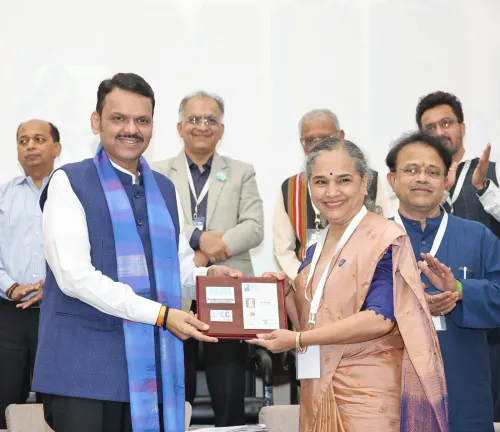
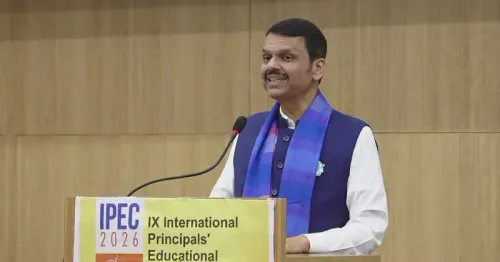
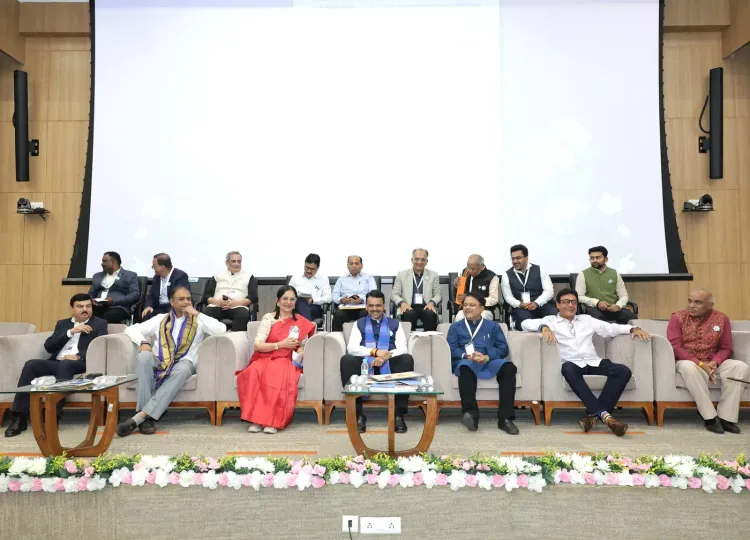
CM Devendra Fadnavis addressed the closing of the 9th International Principals Educational Conference 2026 in Nagpur on 24 January 2026 .
He coined the term 'Generation Wow' for students raised amid technological explosion, noting they need teachers who convert information into knowledge.
Fadnavis urged educators to master artificial intelligence rather than fear it, while stressing verification, rational judgment, and ethical use.
He cited Takshashila, Nalanda, and Vikramashila as ancient models of dialogue-based learning, linking them to NEP 2020 priorities.
The rural-urban technology gap in Maharashtra will close within five years , he forecast.
The government pledged to act positively on recommendations emerging from the IPEC 2026 deliberations.
Information floods every screen, every second — but Chief Minister Devendra Fadnavis drew a sharp line between data and wisdom at the closing ceremony of the 9th International Principals Educational Conference (IPEC) 2026 in Nagpur on Saturday, 24 January 2026. The message was precise: the real job of a school is not to deliver information, but to forge it into knowledge.
The 'Generation Wow' challenge Fadnavis named
Fadnavis described today's students as 'Generation Wow' — a cohort growing up inside a vast technological expansion, swimming in data but hungry for direction. 'माहिती म्हणजे ज्ञान नव्हे' ('Information is not knowledge'), he told the gathering of school principals. The task of converting raw information into genuine knowledge, he argued, demands three things: rigorous analysis, the ability to distinguish right from wrong, and the anchoring of that analysis in ethical values. That responsibility, he said plainly, falls on schools, principals, and teachers — not on algorithms. The remark carries weight in a country where smartphone penetration and cheap data have made the internet the de-facto first teacher for millions of children. The question of what students do with what they find online — not just whether they can find it — is increasingly the defining challenge for school leadership across India.AI as tool, not oracle — and the rural-urban gap closing
Fadnavis addressed artificial intelligence directly, urging educators to stop fearing it and start mastering it. 'Skill in using AI effectively must be acquired rather than avoided,' he said, while issuing a clear caution: not every output from an AI system is accurate. Verifying information, exercising rational judgment, and using technology ethically are non-negotiable, he stressed. On equity, he offered a specific forecast — the technology divide between rural and urban Maharashtra will close within the next five years, opening the same digital tools to village classrooms that city schools already enjoy.Takshashila to NEP 2020 — the lineage Fadnavis invoked
The Chief Minister grounded his arguments in India's ancient academic heritage, citing Takshashila, Nalanda, and Vikramashila as universities that prized dialogue, questioning, brainstorming, and skill-based learning — methods that modern pedagogy is now rediscovering. He connected that lineage directly to the National Education Policy 2020, which he noted emphasises mother-tongue instruction and the integration of Indian knowledge traditions. Mother-tongue education, he said, is especially vital for early cognitive development, while proficiency in English and other languages remains equally important — a both/and, not either/or.Government's pledge to act on conference recommendations
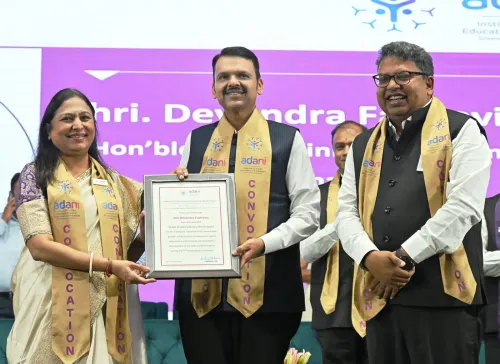
Fadnavis closed with a commitment: the deliberations and expectations articulated at IPEC 2026 will receive a 'positive response' from the government. The state will work to strengthen the education system in light of the challenges a changing era presents. Among those present were State Minister Dr. Pankaj Bhoyar, former MP and actor Dr. Nitish Bharadwaj, IPEC convenor Dr. Mrinalini Dasture, IIM Nagpur Director Dr. Bhimraya Metri, and The South Public School Director Diven Dasture. In a classroom era defined by infinite scroll and AI-generated answers, Maharashtra's chief minister just told every principal in the room: the human teacher is not optional — the human teacher is the point.Point of View
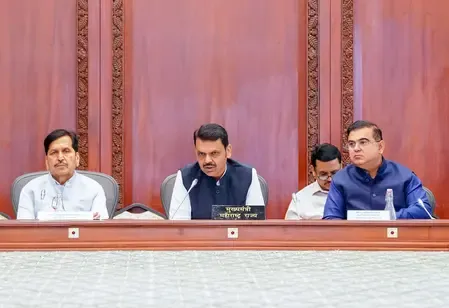
The CM threads a politically useful needle: cultural nationalism and technological modernity in the same sentence. The five-year timeline on closing the rural-urban digital divide is the most concrete and watchable commitment to emerge from the event. Whether the government's promised 'positive response' to conference recommendations translates into budgetary or regulatory action will be the real test of whether this was governance or optics.
NationPress
24 Oct 2026
Frequently Asked Questions
What is the International Principals Educational Conference IPEC 2026?
IPEC is a recurring forum that brings together school principals to deliberate on systemic educational challenges, technology integration, and student development. The 9th edition was held in Nagpur in January 2026.
What did CM Devendra Fadnavis say about AI in education?
Fadnavis urged educators to acquire the skill of using artificial intelligence effectively rather than fearing it, while cautioning that AI outputs are not always accurate and must be verified with rational judgment and ethical awareness.
What is 'Generation Wow' according to Fadnavis?
Fadnavis used the term 'Generation Wow' to describe today's students who are growing up amid a massive expansion of technology and have access to vast amounts of information, but require teachers to help convert that information into genuine knowledge.
How does NEP 2020 relate to what Fadnavis said at IPEC 2026?
Fadnavis referenced the National Education Policy 2020 to highlight its emphasis on mother-tongue instruction and Indian knowledge traditions, arguing these align with ancient Indian universities like Takshashila and Nalanda that prioritised dialogue and critical thinking.
When will Maharashtra close its rural-urban technology gap in education?
Chief Minister Fadnavis forecast that the technology divide between rural and urban areas in Maharashtra will be eliminated within the next five years, bringing equal digital access to village classrooms.