El Nino crisis: Fadnavis orders fast-track water conservation across Maharashtra
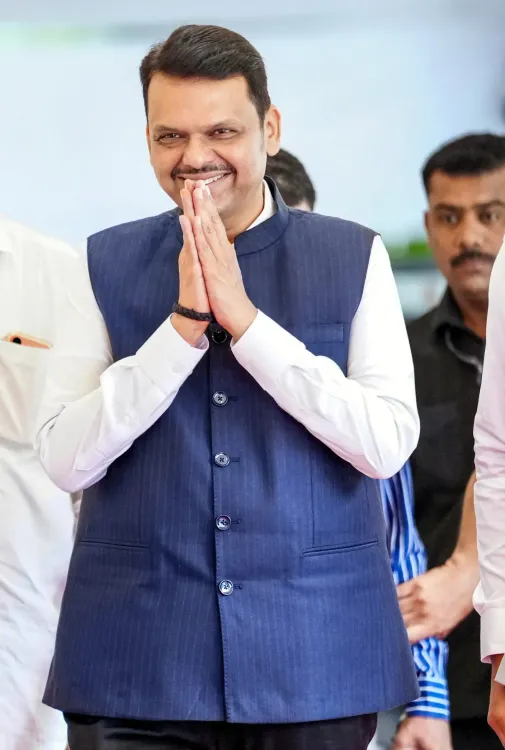
Synopsis
With El Nino alerts mounting, Maharashtra CM Devendra Fadnavis has reframed the crisis as an opportunity — ordering emergency repairs to nearly 2,343 Kolhapur-style weirs that, once fixed, could add 2,39,181 hectares of irrigation coverage. The bet: fix what exists before the monsoon fails, rather than announce new projects that cannot be delivered in time.
Key Takeaways
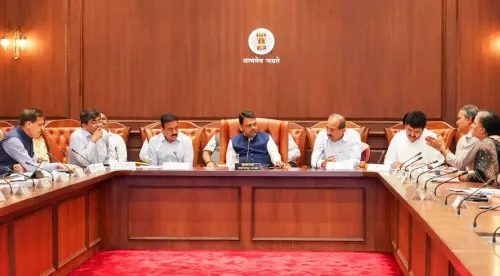
CM Devendra Fadnavis chaired a review meeting on 30 June to assess Maharashtra’s preparedness for the El Nino -affected monsoon season.
A crash programme has been ordered to repair dysfunctional Kolhapur-style weirs across the state on a priority basis.
The Water Resources Department oversees 976 such weirs; the Soil and Water Conservation Department manages 1,367 more.
Completing repairs is projected to unlock 2,39,181 hectares of additional irrigation capacity.
Repair funds will flow through the District Planning Committee (DPC) ; Irrigation Development Corporations have been given full operational authority.
Districts including Solapur , Ahilyanagar , and Chhatrapati Sambhaji Nagar flagged for dedicated agricultural power supply planning.
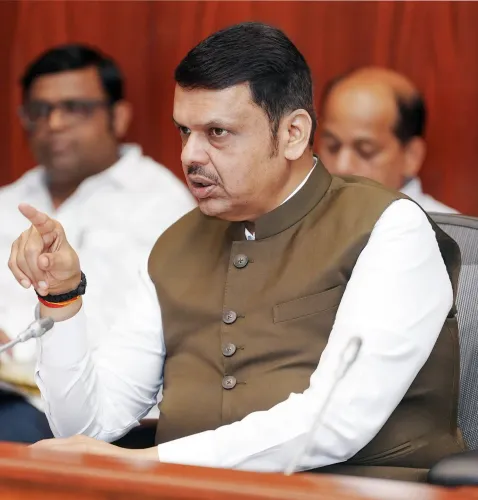
Maharashtra Chief Minister Devendra Fadnavis on Tuesday, 30 June directed state officials to prioritise and accelerate water conservation projects completable within a short timeframe, framing the looming El Nino threat as a ‘blessing in disguise’ that must galvanise action on long-pending infrastructure. The directive came during a high-level review meeting convened to assess the state’s preparedness amid escalating meteorological warnings about El Nino’s impact on the upcoming monsoon season.
Key Directives from the Review Meeting
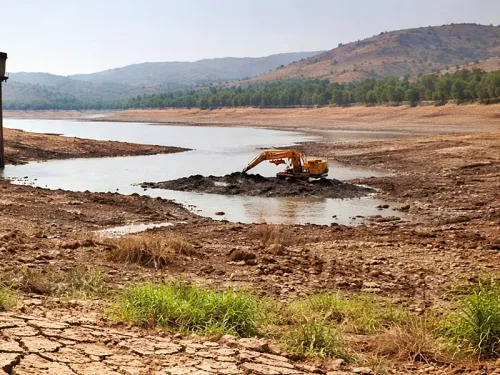
Fadnavis ordered a crash programme to repair dysfunctional Kolhapur-style weirs (Kolhapuri Bandharas) across Maharashtra on a priority basis. He also suggested exploring the feasibility of converting damaged weirs into bridge-cum-weirs using an ‘arch method’, signalling a preference for durable, metal-free solutions that offer long-term value over patchwork fixes.
Critically, the Chief Minister stressed that new water conservation projects should not be launched at this stage. Instead, the focus must remain squarely on repairing and maintaining existing infrastructure before the monsoon arrives.
Scale of the Weir Repair Programme
According to the government’s official release, Kolhapur-style weirs in Maharashtra fall under two departments: the Water Resources Department, which oversees 976 such structures, and the Soil and Water Conservation Department, responsible for 1,367 more. Once repairs to non-functional weirs are completed, an additional 2,39,181 hectares of irrigation capacity is expected to be unlocked across the state.
Funds for the repair work are to be channelled through the District Planning Committee (DPC), and Irrigation Development Corporations have been granted full operational authority to streamline execution. A specific agency is to be designated with complete accountability for delivering these tasks within the available time window.
Drought History to Guide Relief Planning
Fadnavis directed the Disaster Management Department to identify regions in Maharashtra that have historically experienced severe drought and to submit a detailed report on mitigation measures deployed during those periods. This data will inform the design of tailored relief strategies should water scarcity materialise this season.
This comes amid growing concern among agricultural communities in chronically drought-prone districts, where memories of the 2015–2016 water crisis remain fresh. The government’s move to draw on historical drought data rather than rely solely on real-time response marks a more structured approach to preparedness.
Solar Energy and Agricultural Power Supply
Beyond water, the Chief Minister also addressed the state’s energy outlook. Fadnavis noted that a robust solar energy ecosystem is developing within Maharashtra’s agricultural sector and directed that generated solar power be distributed effectively to reduce strain on the Maharashtra State Electricity Distribution Company Limited (MSEDCL) grid.
He called for skill development programmes at the village and tribal hamlet levels for maintaining solar equipment, framing this as a dual opportunity to build local capacity and generate employment for unemployed rural youth.
Districts with high agricultural power consumption — including Solapur, Ahilyanagar, and Chhatrapati Sambhaji Nagar — received specific attention. In these areas, feeders frequently trip due to overloading, disrupting continuous power supply to farmers. Fadnavis directed the design of a system to seamlessly transfer power loads between feeders to prevent grid failures.
With the monsoon window narrowing, the pace of implementation will determine whether Maharashtra’s preparedness translates into measurable resilience or remains a policy intent.
Point of View
39,181-hectare irrigation gain is contingent on completing repairs across more than 2,300 structures in weeks, not months. That is an ambitious target, and without a public accountability dashboard, it risks becoming another announced number that quietly disappears from follow-up coverage.
NationPress
29 Sept 2026
Frequently Asked Questions
What did Maharashtra CM Devendra Fadnavis announce regarding El Nino preparedness?
CM Devendra Fadnavis directed officials on 30 June to fast-track water conservation projects and ordered an emergency repair programme for dysfunctional Kolhapur-style weirs across Maharashtra. He framed the El Nino threat as a ‘blessing in disguise’ to accelerate long-pending water infrastructure work before the monsoon season.
What are Kolhapur-style weirs and why are they important?
Kolhapur-style weirs, also called Kolhapuri Bandharas, are low-cost, traditional water storage structures widely used across Maharashtra for irrigation. Repairing the state’s non-functional weirs is projected to generate an additional 2,39,181 hectares of irrigation capacity, making them central to the government’s drought-preparedness strategy.
How will the weir repair programme be funded?
Funds for repairing damaged Kolhapur-style weirs are to be allocated through the District Planning Committee (DPC). Irrigation Development Corporations have been granted full operational authority to execute the programme, and a dedicated agency will be assigned complete accountability for delivery.
Which districts in Maharashtra face the highest agricultural power risk under El Nino?
CM Fadnavis specifically identified Solapur, Ahilyanagar, and Chhatrapati Sambhaji Nagar as districts with high agricultural power consumption where feeder-tripping due to overloading disrupts continuous power supply to farmers. He directed the design of a load-transfer system to prevent grid failures in these regions.
What role will historical drought data play in Maharashtra’s El Nino response?
The Disaster Management Department has been directed to identify regions with a history of severe drought and compile a report on mitigation measures used during those periods. This data will be used to deploy customised or modified relief measures if water scarcity materialises during the current monsoon season.