CM Fadnavis inspects Mayo Hospital Nagpur, orders deadline
Synopsis
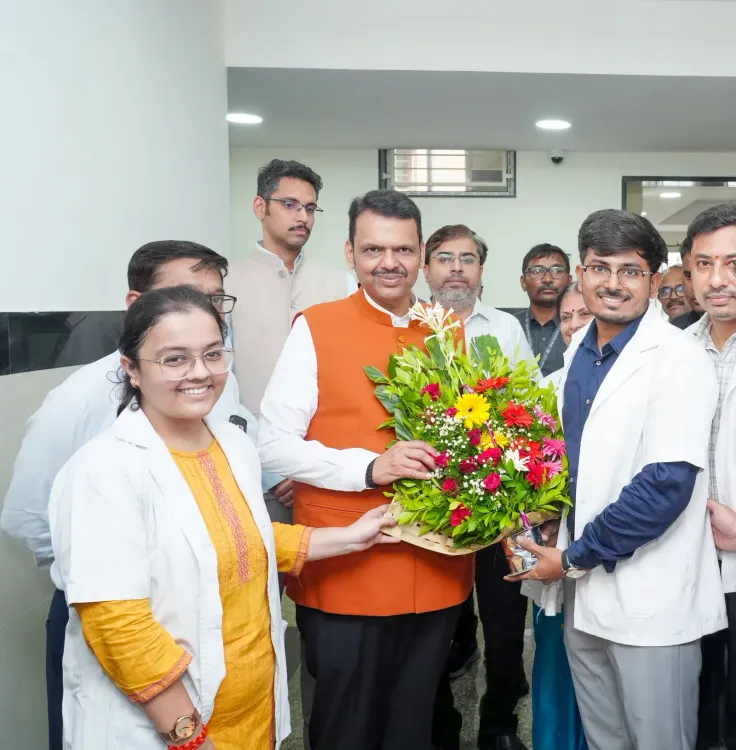
Chief Minister Devendra Fadnavis inspected Mayo Hospital in Nagpur on 20 August 2026, reviewed advanced facilities and new building construction, and directed officials to complete the project on schedule. MLA Pravin Datke and Dean Dr. Ravi Chauhan were present.
Key Takeaways
CM Devendra Fadnavis visited Indira Gandhi Government Medical College and Hospital (Mayo Hospital) in Nagpur on 20 August 2026 .
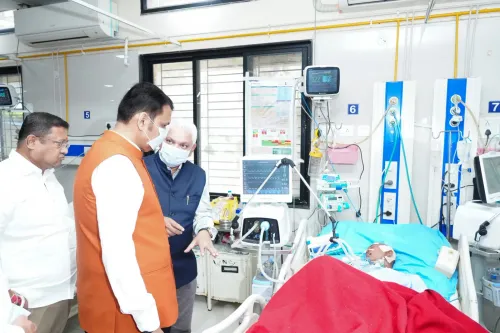
He inspected newly established advanced facilities within the hospital.
Fadnavis reviewed the progress of a new building currently under construction at the site.
He directed officials to ensure construction is completed within the stipulated deadline.
MLA Pravin Datke and hospital Dean Dr.
Ravi Chauhan accompanied the Chief Minister during the visit.
Mayo Hospital is a key tertiary healthcare institution serving the Vidarbha region of Maharashtra.
A hospital that has served central India for generations got a close look from the top on Thursday, 20 August 2026. Chief Minister Devendra Fadnavis visited Indira Gandhi Government Medical College and Hospital (Mayo Hospital) in Nagpur, reviewed the state of its advanced facilities, and issued a firm directive: the new building under construction must be completed on schedule.
What Fadnavis saw on the ground
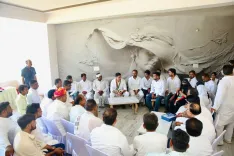
The Chief Minister toured the hospital's existing modern infrastructure, inspecting a range of newly added facilities. He then turned his attention to the construction site of the upcoming building, reviewing progress and holding a detailed assessment of where the work stands. The message from the CM was unambiguous — timelines are not optional.
Present at the visit were MLA Pravin Datke, Dr. Ravi Chauhan, Dean of the college and hospital, and senior government officials. The official post from the Chief Minister's Office confirmed the inspection and the directives issued.
Mayo Hospital's place in Nagpur's health landscape
Mayo Hospital — formally the Indira Gandhi Government Medical College and Hospital — is one of the oldest and most significant government medical institutions in central India. It serves as a hub for tertiary healthcare across the Vidarbha region, drawing patients from districts well beyond Nagpur city. Any expansion of its infrastructure directly affects thousands of patients and the next generation of medical students trained within its walls.
Nagpur, as Maharashtra's winter capital, has consistently been a focus of state investment in civic and health infrastructure. Maharashtra governments have periodically announced upgrades at major government medical colleges in the Vidarbha belt to address capacity gaps — and this visit fits squarely within that pattern of administrative oversight.
The pressure behind the deadline directive
Chief Ministers conducting site inspections at public hospitals is standard administrative practice in Maharashtra. But the specific instruction to complete construction 'within the stipulated time' signals that the project has a defined deadline — and that the state's highest office is now personally watching the clock. For a region historically underserved in specialist healthcare, the new building represents expanded capacity that patients and medical staff are waiting on.
Whether the contractors and executing agencies can deliver on that timeline is the question that will define the follow-up chapter of this story.
Point of View
Not just an administrative one. Nagpur is the CM's home constituency, which adds a layer of personal accountability to the visit. The directive to meet deadlines fits a broader Maharashtra pattern of using high-profile CM inspections to accelerate stalled public works. The real test will come at commissioning: whether the new wing opens on time and with full functionality will determine whether this visit becomes a headline or a footnote.
NationPress
5 Oct 2026
Frequently Asked Questions
Why did CM Devendra Fadnavis visit Mayo Hospital in Nagpur?
CM Fadnavis visited Indira Gandhi Government Medical College and Hospital (Mayo Hospital) in Nagpur on 20 August 2026 to inspect advanced facilities and review the progress of a new building under construction, issuing orders for timely completion.
What is Mayo Hospital Nagpur?
Mayo Hospital, formally known as Indira Gandhi Government Medical College and Hospital, is one of the oldest government medical institutions in central India, providing tertiary healthcare and medical education to the Vidarbha region.
Who was present during CM Fadnavis's visit to Mayo Hospital?
MLA Pravin Datke, hospital Dean Dr. Ravi Chauhan, and senior government officials accompanied Chief Minister Devendra Fadnavis during the inspection.
What directive did CM Fadnavis give at Mayo Hospital?
CM Fadnavis directed officials to ensure the new building under construction at Mayo Hospital is completed within the stipulated timeframe.
What is the significance of the new building at Mayo Hospital Nagpur?
The new building is expected to expand the hospital's capacity to serve patients across the Vidarbha region, which has historically faced gaps in specialist and tertiary healthcare access.