Fadnavis orders housing stock policy for Mumbai's displaced residents
Synopsis
Maharashtra CM Devendra Fadnavis has ordered a formal policy to manage housing stock for infrastructure-displaced residents — a directive that exposes the scale of displacement caused by Mumbai's infrastructure boom. The meeting also surfaced a wide agenda spanning industrial corridors, hospital upgrades, a Bharat Mandapam-style convention centre for Gorai, and a drug-free India push by 2029.
Key Takeaways
CM Devendra Fadnavis directed the drafting of a comprehensive housing stock policy for citizens displaced by infrastructure projects on 3 May 2025 .
A nodal officer will be appointed to resolve sub judice land matters under MMRDA jurisdiction in accordance with court directives.
Follow-ups ordered with NICDC on land availability in the Shendra-Bidkin industrial area , Chhatrapati Sambhaji Nagar; infrastructure at Dighi Industrial Area to be expedited.
BMC directed to upgrade Shatabdi and Bhagwati hospitals with modern equipment and adequate manpower.
A world-class convention centre modelled on Bharat Mandapam proposed for Gorai ; master plan to be prepared for commercial viability.
Police directed to support the national drug-free India mission by 31 March 2029 .
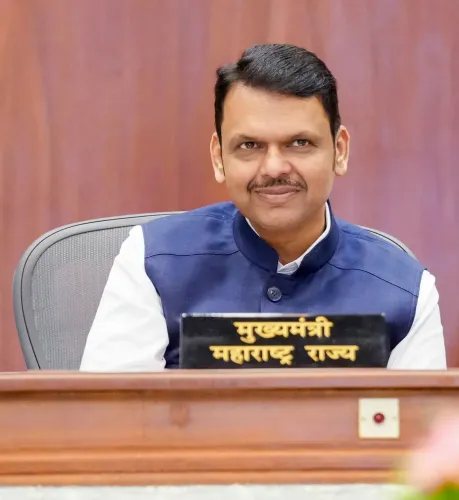
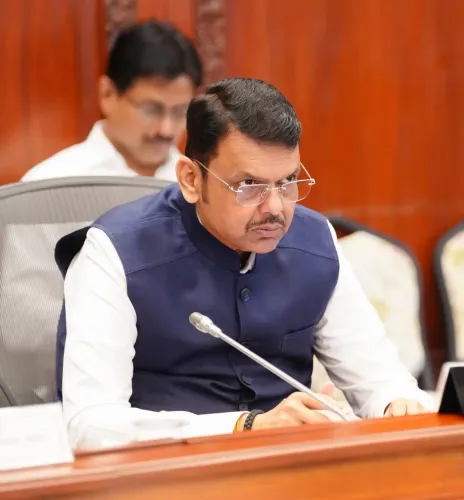
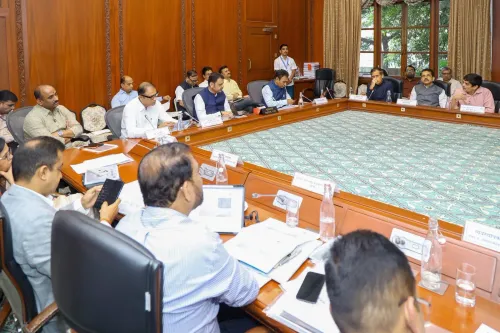
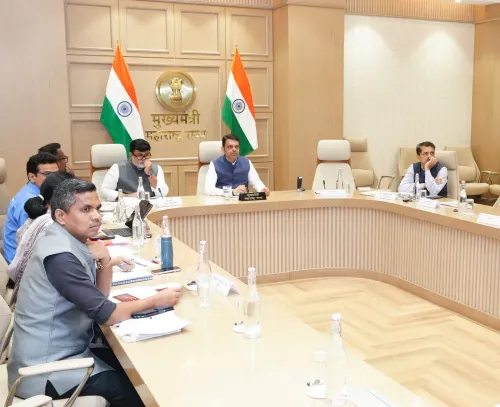
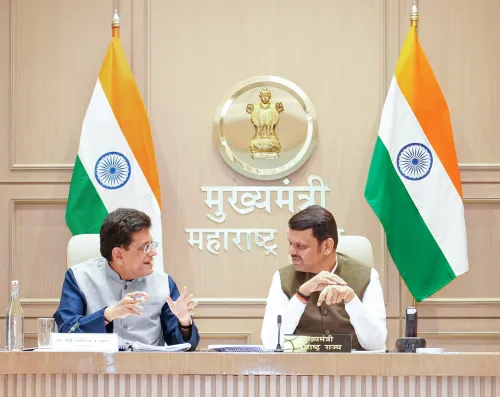
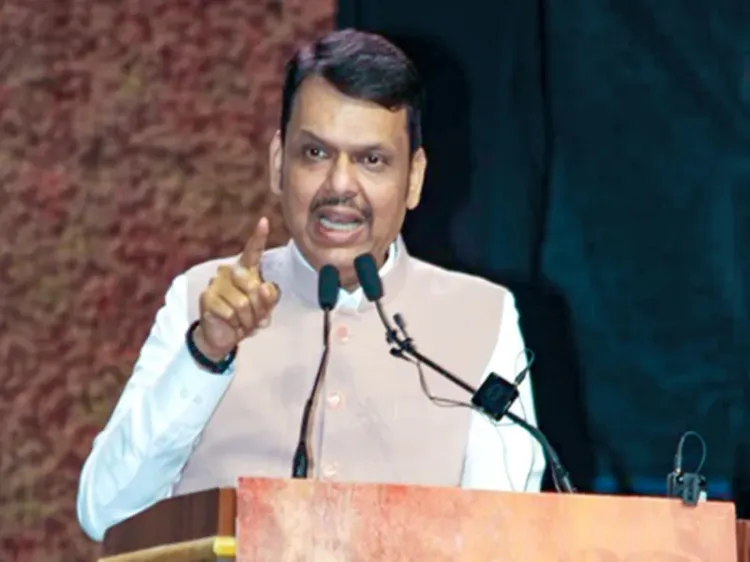
Maharashtra Chief Minister Devendra Fadnavis on Saturday, 3 May 2025, directed the state administration to draft a comprehensive policy for the efficient utilisation of 'housing stock' — homes reserved for citizens displaced by various infrastructure projects across the state. The directive was issued during a high-level review meeting focused on issues pertaining to the Mumbai North Lok Sabha constituency, represented by Union Minister for Commerce and Industry Piyush Goyal.
Housing Stock and Infrastructure Displacement
Chief Minister Fadnavis noted that several large-scale infrastructure projects are currently underway across the Mumbai Metropolitan Region (MMR), expected to significantly enhance the city's connectivity. He directed officials to conduct joint surveys of land owned by Central agencies where development projects are planned, and called for a consolidated proposal covering all land-related matters involving the Central Government to streamline approvals.
A nodal officer will be appointed to follow up on sub judice land matters under the jurisdiction of the Mumbai Metropolitan Region Development Authority (MMRDA), ensuring timely resolution in line with court directives. This comes amid growing concerns about delays in rehabilitating displaced residents, a persistent challenge in one of Asia's most infrastructure-intensive urban corridors.
Industrial Expansion and Connectivity Push
On the industrial front, Fadnavis directed follow-ups with the National Industrial Corridor Development Corporation (NICDC) regarding land availability in the Shendra-Bidkin industrial area of Chhatrapati Sambhaji Nagar. He also called for the expeditious completion of infrastructure work at the Dighi Industrial Area. Notably, these directives align with the Centre's broader push to develop industrial corridors across Maharashtra as part of national manufacturing expansion goals.
Public Health and Civic Upgrades
The Chief Minister directed the Brihanmumbai Municipal Corporation (BMC) to upgrade Shatabdi and Bhagwati hospitals with modern equipment, improved hygiene standards, and adequate manpower. He also ordered the expeditious completion of mapping for Mumbai's gaothans (ancestral villages) to ensure civic amenities reach all residents — a long-pending demand from communities living in these pockets that fall outside formal urban planning frameworks.
Key Proposals: Convention Centre, Skill Development, and Coastal Villages
Drawing on the model of Delhi's Bharat Mandapam, a world-class convention centre has been proposed for the Gorai area, with a master plan to be prepared to ensure its commercial viability. Union Minister Piyush Goyal called for the immediate operationalisation of the Shimpoli Skill Development Centre, developed under the National Skill Development Corporation (NSDC), and suggested that sports facilities in Kandivali be developed through Public-Private Partnership (PPP) models with active involvement from local sports authorities.
Additionally, Fadnavis proposed the development of coastal villages under the Matsya Sampada Yojana and the installation of mobile toilets in Sanjay Gandhi National Park for the benefit of residents and tourists alike.
Drug-Free India Target and What Comes Next
Chief Minister Fadnavis urged the police administration to actively contribute to the national mission of making India 'drug-free' by 31 March 2029. The wide-ranging directives from Saturday's meeting signal an accelerated governance push in Mumbai North ahead of what observers note is a politically significant period for the ruling alliance in Maharashtra. Implementation timelines for most directives are yet to be officially announced.
Point of View
Yet rehabilitation has consistently lagged project timelines. Appointing a nodal officer for sub judice MMRDA land matters is a procedural step, but the real test is whether it accelerates outcomes or adds another layer of bureaucracy. The breadth of Saturday's agenda — from Kandivali sports PPPs to Sanjay Gandhi National Park toilets — also raises a governance question: wide-ranging review meetings generate headlines, but without binding deadlines and public accountability, they risk becoming performative. The Gorai convention centre proposal, meanwhile, deserves scrutiny given the area's ecological sensitivity near Mangrove zones.
NationPress
18 Sept 2026
Frequently Asked Questions
What is the housing stock policy directed by CM Fadnavis?
CM Devendra Fadnavis directed the Maharashtra administration to draft a comprehensive policy for the efficient use of 'housing stock' — homes reserved for citizens displaced by infrastructure projects. The directive was issued on 3 May 2025 during a review meeting for the Mumbai North Lok Sabha constituency.
Why is a nodal officer being appointed for MMRDA land matters?
A nodal officer will be appointed to follow up on sub judice land matters under MMRDA jurisdiction to ensure timely resolution in line with court directives. The move aims to reduce delays in land-related approvals that have held up infrastructure projects across the Mumbai Metropolitan Region.
What is the proposed convention centre at Gorai?
CM Fadnavis proposed a world-class convention centre for the Gorai area in Mumbai, modelled on Delhi's Bharat Mandapam. A master plan will be prepared to ensure its commercial viability, though no timeline has been officially announced yet.
What did Union Minister Piyush Goyal propose at the meeting?
Union Minister Piyush Goyal called for the immediate operationalisation of the Shimpoli Skill Development Centre under the National Skill Development Corporation, and suggested developing sports facilities in Kandivali through Public-Private Partnership models with local sports authorities.
What is the drug-free India target mentioned by CM Fadnavis?
CM Fadnavis urged the Maharashtra police administration to actively contribute to the national mission of making India drug-free by 31 March 2029, aligning with a broader Central Government initiative on substance abuse prevention.