Rajasthan cyber fraud: 17 arrested in ₹5.30 crore WhatsApp impersonation scam

Synopsis
A Jaipur accountant transferred ₹5.30 crore after receiving WhatsApp messages impersonating his company's chairman — and 17 people across five Rajasthan districts are now in custody. The bust reveals a layered syndicate using crypto, hawala, and bank account farming to launder funds, exposing a fast-growing corporate impersonation threat.
Key Takeaways
17 individuals arrested by Cyber Crime Police Station, Jaipur in a ₹5.30 crore WhatsApp impersonation fraud.
Victim Dipendra Singh , a company accountant, transferred funds after receiving messages from a number impersonating his chairman.
Fraud complaint was lodged on 24 April 2026 via national cyber helpline 1930 .
Stolen funds were routed through bank accounts, USDT cryptocurrency , and hawala channels across five districts.
Account providers were paid commissions between ₹3,000 and ₹50,000 to supply bank accounts for illicit use.
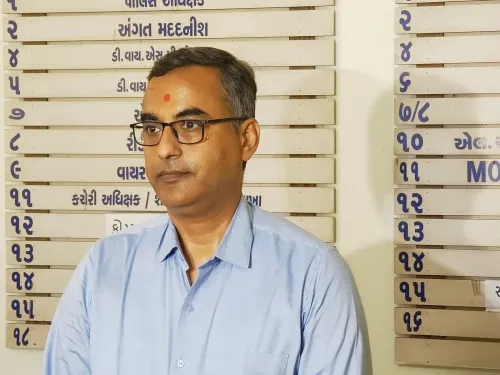
Operation supervised by SP Sumit Mehrda and led on the ground by DSP Sugan Singh .
The Cyber Crime Police Station, Jaipur, has dismantled an interstate fraud syndicate and arrested 17 individuals in connection with a ₹5.30 crore financial scam carried out through WhatsApp impersonation. The case, registered following a complaint on 24 April 2026, exposed a sophisticated multi-district network that routed stolen funds through bank accounts, cryptocurrency, and hawala channels.
How the Fraud Unfolded
The complaint was filed by Dipendra Singh, an accountant at a private company, via the national cyber helpline 1930. Singh reported receiving WhatsApp messages from an unknown number that displayed the name and photograph of his company's chairman. Acting on what appeared to be urgent instructions from his employer, he transferred ₹5.30 crore into two bank accounts. The deception came to light shortly after the transfers were made.
According to Deputy Inspector General (Cyber Crime) Shantanu Kumar Singh, a detailed technical investigation revealed that the defrauded funds were routed through multiple bank accounts before being siphoned off via cash withdrawals, cryptocurrency transactions in USDT, and hawala channels — a structured layering designed to obscure the financial trail.
The Network and Its Structure
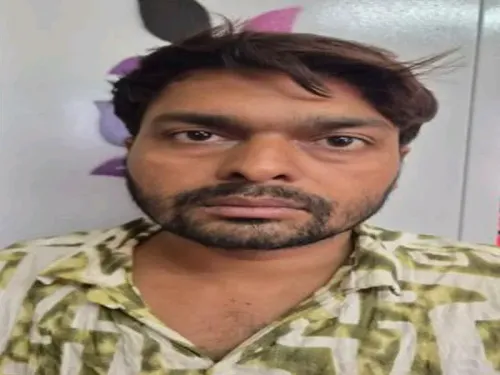
The arrested individuals include account providers, cash handlers, intermediaries, and operatives specialising in converting funds into cryptocurrency. Bank accounts were procured or opened using associates and acquaintances in exchange for commissions ranging from ₹3,000 to ₹50,000. Members reportedly coordinated their activities through informal meetings at tea stalls and roadside locations to evade detection.
The syndicate had a distinct regional division of labour. Kota emerged as a hub for cash withdrawals and crypto conversions, with salon workers, a law student, and a trader among those facilitating transactions. Banswara was used for procuring and supplying bank accounts and transporting funds. Pali saw the recruitment of account holders through personal networks, while Jodhpur handled account operations and crypto transactions. Barmer was used to provide bank accounts for illicit use.
The Operation and Arrests
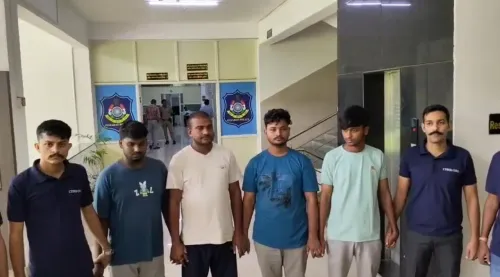
Coordinated operations spanning district police units from Kota (Rural), Pali, Jodhpur, Banswara, and Barmer led to the arrest of all 17 accused. The operation was executed under the supervision of Superintendent of Police (Cyber Crime) Sumit Mehrda and led on the ground by Deputy Superintendent of Police Sugan Singh. Teams combined technical analysis with field intelligence to identify, trace, and apprehend suspects across multiple districts.
Notably, the case highlights the growing use of WhatsApp impersonation — where fraudsters replicate the identity of senior officials or employers — to execute high-value corporate fraud. This is increasingly a pattern in India's cyber crime landscape, with the Ministry of Home Affairs reporting a sharp rise in such business email and messaging compromise cases.
Advisory for Citizens
The Cyber Crime Branch has urged citizens to exercise caution when responding to financial requests received via WhatsApp, phone calls, or other digital platforms, even if the message appears to originate from a known individual. Authorities advise always verifying authenticity through direct communication before transferring any funds. In the event of cyber fraud, citizens can immediately contact the national helpline 1930 or report the incident via the National Cyber Crime Reporting Portal.
With investigations ongoing, authorities have not ruled out further arrests as they continue to map the full extent of the syndicate's operations.
Point of View
Crypto layering, hawala, and commission-based account farming — suggests this is not a one-off but part of a wider organised crime ecosystem. What the bust also reveals is how easily low-level participants (salon workers, students, traders) are recruited as unwitting or complicit nodes, making prosecution complex. India's cyber helpline 1930 is a critical first-response tool, but the real gap remains in corporate awareness: most companies still lack internal verification protocols for high-value fund transfer instructions.
NationPress
24 Sept 2026
Frequently Asked Questions
What was the ₹5.30 crore WhatsApp fraud in Jaipur?
Fraudsters impersonated a company chairman on WhatsApp and tricked the firm's accountant, Dipendra Singh, into transferring ₹5.30 crore into two bank accounts. The Jaipur Cyber Crime Police subsequently busted the syndicate and arrested 17 people across five Rajasthan districts.
How did the fraud syndicate launder the money?
The syndicate routed funds through multiple bank accounts and then converted them into USDT cryptocurrency and transferred proceeds via hawala channels. Bank accounts were sourced from associates paid commissions between ₹3,000 and ₹50,000.
Who was arrested in the Rajasthan cyber fraud case?
17 individuals were arrested, including account providers, cash handlers, intermediaries, and crypto conversion operatives spread across Kota, Pali, Jodhpur, Banswara, and Barmer districts of Rajasthan.
How can citizens protect themselves from WhatsApp impersonation fraud?
The Cyber Crime Branch advises always verifying financial requests through a direct phone call or in-person confirmation before transferring funds, even if the message appears to come from a known contact. Any suspected fraud should be reported immediately to helpline 1930 or the National Cyber Crime Reporting Portal.
What is the national cyber fraud helpline number in India?
The national cyber fraud helpline number is 1930. Citizens can also report incidents online at the National Cyber Crime Reporting Portal (cybercrime.gov.in).