Rajasthan Police arrest 5th accused in ₹12 crore gold trading cyber fraud

Synopsis
A Bhopal man already in Tihar Jail for a separate cybercrime was arrested as the fifth accused in a ₹12 crore fake gold trading scam — with alleged links to Nepal and prior action by Hyderabad Police. The case exposes a multi-state fraud syndicate that used WhatsApp to lure victims and then bled them dry through fake tax and processing demands.
Key Takeaways
Vishal Sharma of Bhopal arrested as the fifth accused in a ₹12 crore cyber fraud case by Rajasthan's State Cyber Crime Police Station .
The victim was defrauded of ₹12,09,65,512 via a fake gold trading platform shared over WhatsApp in September 2025 . ₹25 lakh of the fraud proceeds were traced to Sharma's Bank of Baroda account.
Sharma was already in judicial custody at Tihar Jail in a separate West Delhi cybercrime case; brought to Jaipur on a production warrant.
Investigators are probing alleged links to individuals in Nepal and Bhopal ; Sharma had previously faced action by Hyderabad Police .
Police have advised the public to avoid suspicious trading links on WhatsApp and Telegram and not to lend bank accounts for commissions.
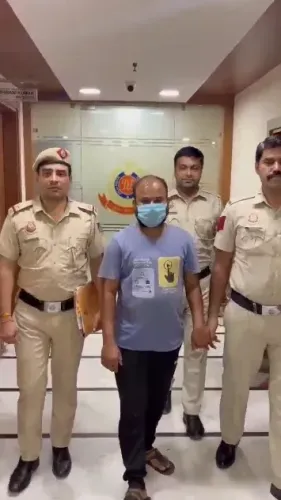
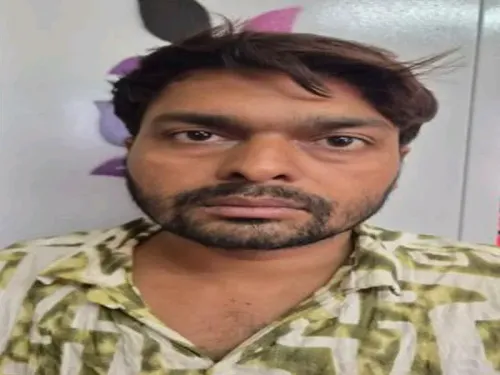
Rajasthan Police's State Cyber Crime Police Station has arrested Vishal Sharma, a resident of Bhopal, in connection with a ₹12 crore cyber fraud carried out through a fake online gold trading platform. With Sharma's arrest, the total number of accused held in the case has risen to five.
How the Fraud Unfolded
According to investigators, the complainant was defrauded of ₹12,09,65,512 after receiving a WhatsApp link to a fraudulent trading platform in September 2025. The victim deposited over ₹6 crore between October and November 2025, with the website displaying a virtual wallet balance of ₹9.42 crore, including purported profits.
When the complainant sought to withdraw funds, the accused allegedly demanded additional payments under the pretext of taxes and processing charges. These coercive demands continued until the total amount deposited exceeded ₹12 crore — a pattern investigators describe as a classic 'pig butchering' scam, where victims are kept engaged and bled progressively.
Who Is Vishal Sharma
Investigators traced ₹25 lakh of the defrauded amount to Sharma's Bank of Baroda account. At the time of his arrest, Sharma was already serving judicial custody at Tihar Jail in a separate cybercrime case registered by Cyber Police, West Delhi. He was brought to Jaipur on a production warrant.
Sharma reportedly admitted to opening bank accounts on the instructions of associates and allowing them to use those accounts for transactions. His account was allegedly used to route proceeds of the fraud. Notably, Sharma had previously faced action by Hyderabad Police and reportedly had links with individuals in Nepal and Bhopal.
Investigation in Progress
The cyber crime team is currently analysing WhatsApp records, call detail reports, identity documents, and banking transactions to map the money trail and identify remaining members of the network. The cross-state and cross-border dimensions — with alleged links to Nepal — suggest a structured syndicate rather than an isolated operation.
This is the fifth arrest in the case, signalling that investigators are methodically dismantling what appears to be a well-organised fraud ring with tentacles across multiple cities and states.
Public Advisory
Authorities have urged citizens to remain cautious of online trading and investment schemes circulated via WhatsApp, Telegram, and other social media platforms. Police warned against clicking suspicious links, transferring money for purported withdrawal fees, or allowing others to use personal bank accounts in exchange for commissions — practices that, investigators note, make account holders complicit in cybercrime.
Point of View
From Bhopal to Delhi to Hyderabad to alleged Nepal links, points to a syndicate that operates well beyond any single jurisdiction. What the case also reveals is a systemic vulnerability: account holders being recruited as witting or unwitting money mules, insulating the actual architects of the fraud. Indian law enforcement has improved at making arrests, but the harder task — following the money to its ultimate beneficiaries and disrupting the recruitment pipeline for mule accounts — remains largely unsolved. Until that changes, the fraud model is replicable at scale.
NationPress
9 Oct 2026
Frequently Asked Questions
Who is Vishal Sharma and why was he arrested?
Vishal Sharma is a Bhopal resident arrested by Rajasthan's State Cyber Crime Police Station as the fifth accused in a ₹12 crore cyber fraud case. Investigators traced ₹25 lakh of the defrauded amount to his Bank of Baroda account, and he allegedly allowed associates to use his accounts for routing fraud proceeds.
How did the ₹12 crore gold trading scam work?
The victim received a WhatsApp link to a fake online gold trading platform in September 2025 and deposited over ₹6 crore between October and November. The website showed a virtual balance of ₹9.42 crore, but when the victim tried to withdraw, accused demanded additional payments as taxes and fees, pushing total losses to ₹12,09,65,512.
Was Vishal Sharma already in custody before this arrest?
Yes. Sharma was serving judicial custody at Tihar Jail in New Delhi in a separate cybercrime case registered by Cyber Police, West Delhi. He was brought to Jaipur on a production warrant to face charges in the Rajasthan case.
What is the current status of the investigation?
With five arrests made, investigators are analysing WhatsApp records, call detail reports, identity documents, and banking transactions to trace the full money trail. The probe is also examining Sharma's alleged links to individuals in Nepal and Bhopal.
How can citizens protect themselves from such online trading scams?
Police advise against clicking unsolicited trading or investment links received via WhatsApp or Telegram, transferring money for withdrawal fees on online platforms, or allowing others to use personal bank accounts for commissions. Such accounts are routinely used to launder cybercrime proceeds.