Delhi Police bust cyber fraud ring, four arrested from Rajasthan's Sikar

Synopsis
Delhi Police dismantled a Rajasthan-based cyber fraud ring that used students' bank accounts and online gambling platforms to launder ₹2 lakh stolen via a work-from-home scam. Four accused from Sikar district are now in judicial custody — and investigators say the network runs deeper.
Key Takeaways
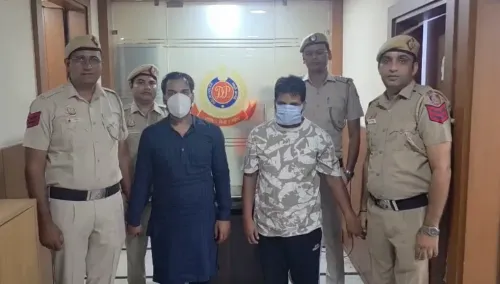
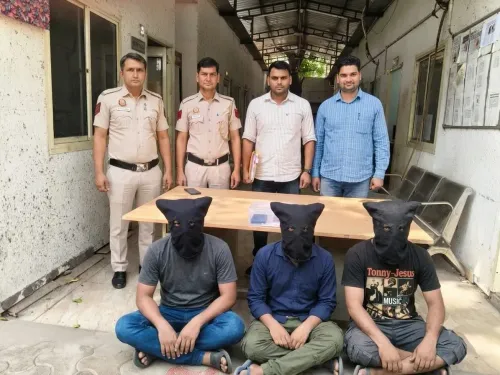
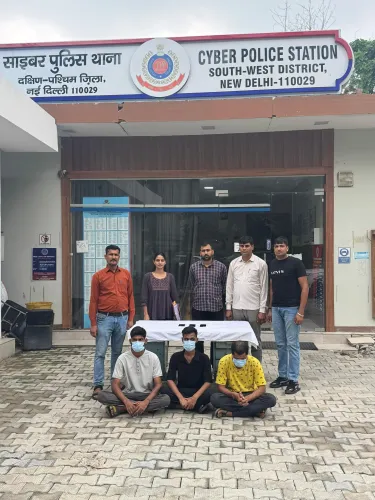
Delhi Police arrested four accused — Abhishek Sihag , Ankit Garhwal , Vikas Beniwal , and Lokesh Kumar — from Kerpura village, Sikar district, Rajasthan .
The syndicate defrauded complainant Suman Kumar of ₹2 lakh through unauthorised bank transactions; the fraud was flagged by her son in the USA .
Stolen funds were routed through a Karnataka -based account and multiple other accounts before being used to settle online gambling transactions.
The accused recruited students and young persons under the guise of work-from-home jobs to use their bank accounts for layering crime proceeds.
All four accused have been sent to judicial custody ; further investigation is ongoing to trace associates and additional laundered funds.
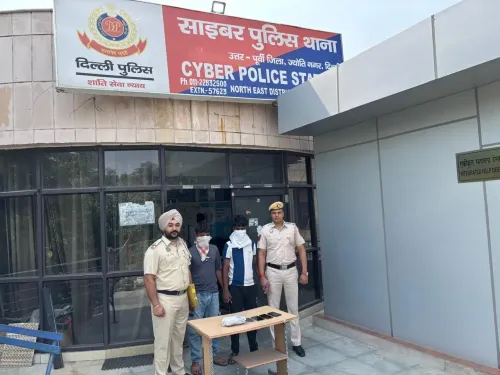
Delhi Police's Cyber Police Station, Central District, has dismantled an organised cyber fraud and money laundering syndicate linked to a work-from-home scam that defrauded a victim of ₹2 lakh, arresting four accused from Rajasthan's Sikar district on Friday, 19 June 2025. The syndicate routed stolen funds through multiple bank accounts and online gambling platforms to conceal the money trail, according to officials.
How the Fraud Came to Light
The case originated when complainant Suman Kumar filed FIR No. 90/2025 on 4 November 2025 under Section 318(4) BNS, reporting unauthorised debit transactions of ₹2 lakh from her bank account. The fraud was discovered by her son, who resides in the USA and noticed the suspicious transactions before travelling to India to lodge the complaint.
How the Syndicate Operated
Investigators found that the cheated amount was first transferred to a Karnataka-based bank account and subsequently layered through a chain of accounts to obscure the money trail. The syndicate reportedly recruited students and young individuals by offering work-from-home opportunities, using their bank accounts to route and layer cybercrime proceeds.
According to officials, the funds were ultimately channelled into online gambling platforms to settle gambling-related transactions. To evade detection, the accused used virtual and international mobile numbers, linked WhatsApp accounts, and encrypted communication channels for coordination.
The Investigation and Arrests
Detailed scrutiny of bank transactions, technical analysis, and IP logs helped investigators identify the mobile numbers used in the fraud. Raids were conducted at Kerpura village in Sikar district, Rajasthan, leading to the arrest of the four accused. Digital evidence — including WhatsApp chats, IP logs, bank transaction records, and seized electronic devices — established the role of each individual in the criminal network.
Who Was Arrested
The four arrested individuals have been identified as Abhishek Sihag, Ankit Garhwal, Vikas Beniwal, and Lokesh Kumar. All four have been remanded to judicial custody. Further investigation is underway to identify other associates and trace additional proceeds of crime.
What Happens Next
Police said the probe is continuing to map the full extent of the network and recover laundered funds. This case reflects a broader pattern of cyber syndicates in Rajasthan exploiting student bank accounts as conduits for laundering digital fraud proceeds — a trend that has drawn increasing attention from law enforcement agencies across India.
Point of View
Mule account handlers, and gambling-platform settlement operators — each insulated from the others. The use of student bank accounts as laundering conduits is particularly concerning; it criminalises financially vulnerable young people who may not fully grasp the legal exposure. Law enforcement's ability to trace funds from Delhi through Karnataka to Rajasthan using IP logs and WhatsApp metadata is a capability step forward, but the volume of such syndicates far outpaces current arrest rates. Until banks flag unusual account patterns among student demographics in real time, the mule-account model will remain the path of least resistance for cyber fraudsters.
NationPress
22 Sept 2026
Frequently Asked Questions
What was the Delhi cyber fraud syndicate case about?
Delhi Police busted an organised cyber fraud and money laundering syndicate that stole ₹2 lakh from a victim named Suman Kumar through unauthorised bank transactions. The syndicate, operating from Rajasthan's Sikar district, used a work-from-home scam to recruit student mule accounts and laundered the proceeds through online gambling platforms.
Who were the four people arrested in the Rajasthan cyber fraud case?
The four arrested accused are Abhishek Sihag, Ankit Garhwal, Vikas Beniwal, and Lokesh Kumar, all apprehended from Kerpura village in Sikar district, Rajasthan. All four have been remanded to judicial custody.
How did the cyber syndicate launder the stolen money?
The stolen funds were first transferred to a Karnataka-based bank account and then layered through multiple accounts to obscure the trail. The money was ultimately used to settle transactions on online gambling platforms, according to officials.
How did Delhi Police track down the accused?
Investigators used bank transaction analysis, IP logs, technical surveillance, and digital evidence including WhatsApp chats and seized electronic devices to identify the mobile numbers and individuals behind the fraud. Raids at Kerpura village in Sikar district led to the arrests.
Why were student bank accounts used in this cyber fraud scheme?
The syndicate recruited students and young persons by offering work-from-home opportunities and then used their bank accounts to route and layer cybercrime proceeds. This tactic exploits financially vulnerable individuals and creates additional layers to confuse investigators tracing the money trail.