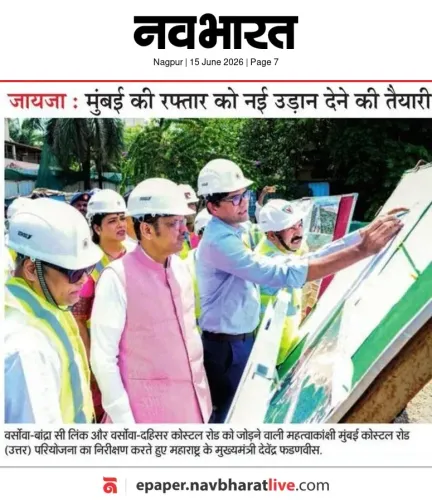
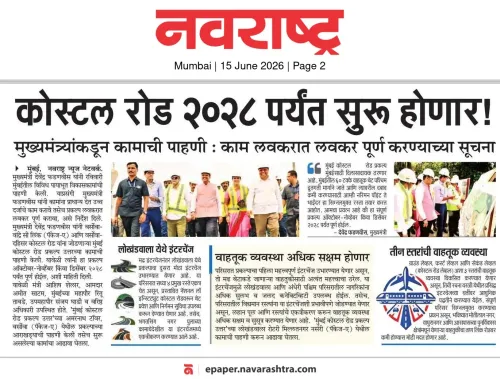
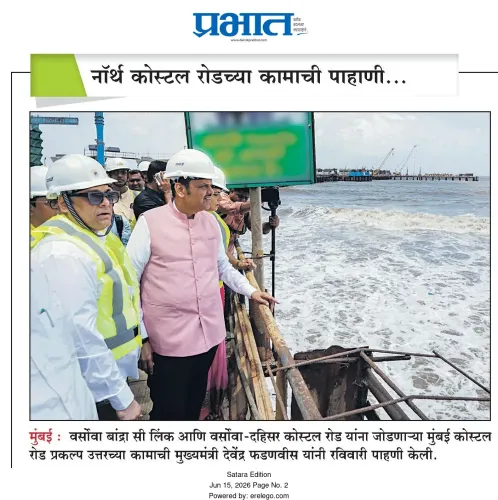
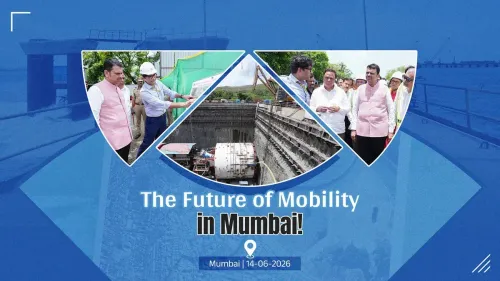
CM Fadnavis: Mumbai North Coastal Road on Track, Daily Monitoring On
Synopsis
Maharashtra Chief Minister Devendra Fadnavis announced on June 14, 2026, that additional resources have been deployed and daily monitoring initiated to ensure the Mumbai Coastal Road North project is completed within its stipulated deadline, underscoring the state's push to fast-track urban infrastructure.
Key Takeaways
CM Devendra Fadnavis confirmed on June 14, 2026 , that extra machinery and resources have been deployed for the Mumbai Coastal Road North project.
Daily monitoring of construction work is now in place to ensure the project meets its set deadline.
The project is part of a multi-lane coastal expressway designed to ease Mumbai's chronic north-south traffic congestion.
The Mumbai Coastal Road initiative received state approval and DPR clearance between 2015 and 2017 .
The announcement was made bilingually in Marathi and Hindi, signalling broad public outreach across Maharashtra.
Phase-wise completion milestones and any environmental or cost reviews by state agencies remain key factors to watch.
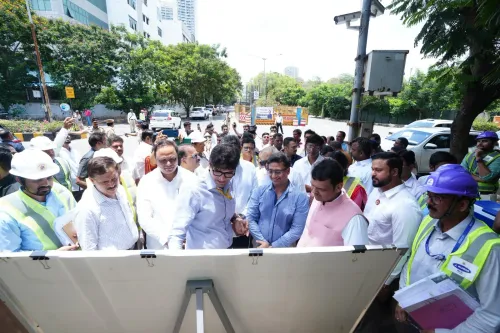
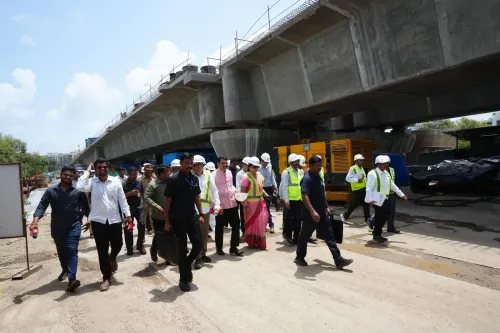
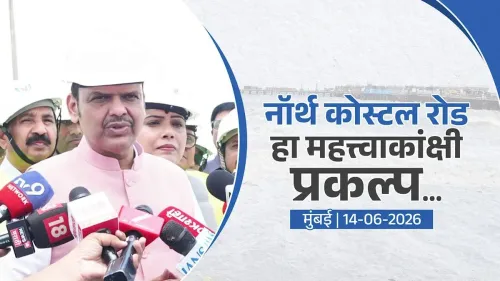
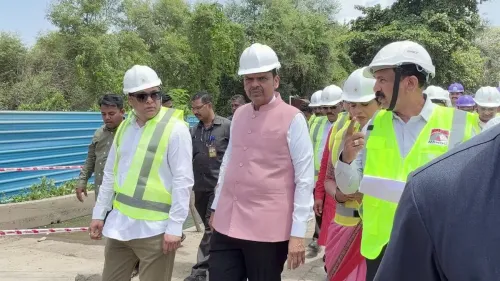
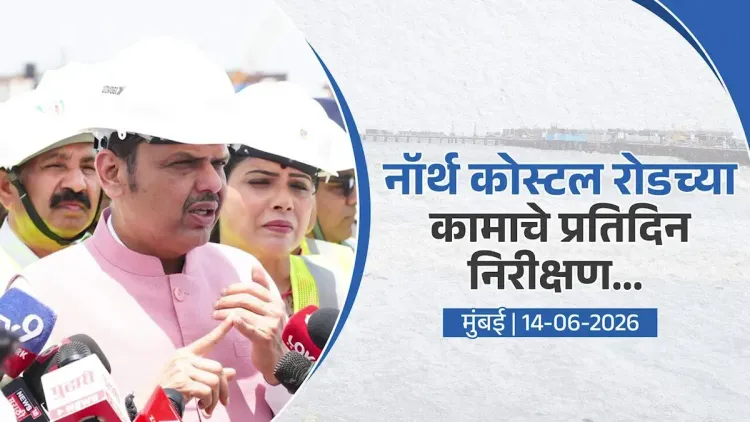
Maharashtra Chief Minister Devendra Fadnavis announced on Sunday, June 14, 2026, that additional resources have been deployed to complete the Mumbai Coastal Road North project within its stipulated deadline, with daily monitoring of all construction activities now in place.
Context
Posting in both Marathi and Hindi, Fadnavis stated: 'मुंबई कोस्टल रोड प्रकल्प उत्तर निर्धारित वेळेत पूर्ण करण्यासाठी यंत्रणा वाढविण्यात आली असून, कामाचे प्रतिदिन निरीक्षण केले जात आहे' — 'Additional machinery has been deployed to complete the Mumbai Coastal Road North project within the set timeline, and work is being monitored daily.' The bilingual post, tagged #NorthCoastalRoad #Mumbai #Maharashtra, signals the Chief Minister's direct oversight of one of the city's most watched infrastructure undertakings.
The announcement comes as Mumbai, India's financial capital, continues to grapple with severe north-south traffic bottlenecks that have long strained commuters across the city's western shoreline corridor.
Policy Backdrop
The Mumbai Coastal Road project was conceived to build a multi-lane expressway along Mumbai's western coastline, dramatically cutting travel time between the city's southern tip and its northern suburbs. The project received state government approval and detailed project report clearance between 2015 and 2017 as part of Maharashtra's broader urban mobility upgrade agenda.
The northern extension — now referred to as the Mumbai Coastal Road North — represents the next phase of this corridor and carries significant political and logistical weight given the density of residential and commercial zones it will serve. Maharashtra's push to fast-track coastal and urban road infrastructure mirrors similar accelerated timelines seen in sea-link and ring-road projects in other major Indian coastal cities.
Stakeholders and Impact
The primary beneficiaries are Mumbai's millions of daily commuters who endure some of the longest urban travel times in the country. Coastal residents along the project alignment also have a direct stake, both in terms of improved access and in monitoring environmental and land-use implications as construction scales up.
The emphasis on daily monitoring reflects standard project management protocol for high-value, time-bound public works in dense urban zones — and signals that the state administration is treating deadline adherence as a political as well as administrative priority under Fadnavis.
What's Next
Attention will now shift to phase-wise completion milestones and whether the augmented resource deployment translates into visible on-ground progress in the coming weeks. Any environmental reviews or cost revisions flagged by state agencies could also influence the final delivery schedule. CM Fadnavis has effectively put the project's timeline on public record, raising the accountability bar for the executing agencies.
Point of View
Deadline-focused post is a calculated public accountability move — by putting the timeline on record himself, he raises the political cost of any slippage while projecting decisive administrative control over a project that directly affects millions of Mumbai voters. The emphasis on 'daily monitoring' tracks with a broader pattern in Indian urban governance where high-visibility infrastructure projects are increasingly managed as political deliverables, not just engineering exercises. For the BJP in Maharashtra, timely delivery of the Coastal Road North could serve as a key proof-point ahead of the next electoral cycle. The absence of a specific completion date in the post, however, leaves the administration room to manoeuvre if ground realities shift.
NationPress
14 Sept 2026
Frequently Asked Questions
What is the Mumbai Coastal Road North project?
The Mumbai Coastal Road North is the northern extension of Mumbai's coastal expressway, designed to build a multi-lane road along the city's western shoreline to ease north-south traffic congestion and improve urban mobility.
What did CM Devendra Fadnavis say about the Mumbai Coastal Road North?
On June 14, 2026, CM Fadnavis stated that additional resources and machinery have been deployed to complete the project within its set deadline, and that daily monitoring of construction is now underway.
When was the Mumbai Coastal Road project approved?
The Mumbai Coastal Road project received state government approval and detailed project report clearance between 2015 and 2017 as part of Maharashtra's urban mobility upgrade drive.
Who benefits from the Mumbai Coastal Road North project?
The primary beneficiaries are Mumbai's daily commuters who face severe traffic bottlenecks, along with coastal residents and businesses along the project's alignment in the city's western corridor.
What happens if the Mumbai Coastal Road North misses its deadline?
Any delay could invite political scrutiny given CM Fadnavis's public commitment to the timeline. Environmental reviews or cost revisions flagged by state agencies are among the factors that could affect the final delivery schedule.