Fadnavis sets 2027 deadline for Indu Mills Ambedkar memorial
Synopsis
The Ambedkar memorial at Mumbai's Indu Mills has reportedly seen work halted for 10 months. Chief Minister Devendra Fadnavis has now set a 2027 deadline, put MMRDA on daily watch and warned the contractor could be replaced. The contractor's cost claims, including GST revisions and price-rise indices, will go to a formal review.
Key Takeaways
Maharashtra CM Devendra Fadnavis on 26 November 2026 set a 2027 deadline for the Indu Mills Ambedkar memorial .
The contractor must submit a revised schedule with firm timelines to the High-Power Committee .
MMRDA has been told to monitor progress at the site daily.
Officials will assess the agency's capacity and may appoint an alternative agency if needed.
Minister Sanjay Shirsat said halting work for 10 months on any pretext is unjustified.
Contract provisions, price-rise indices, extra-work costs, GST revisions and advance funds for bronze cladding will be reviewed together.
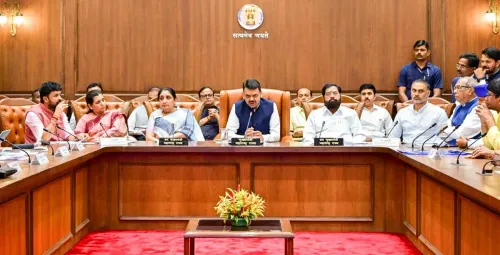
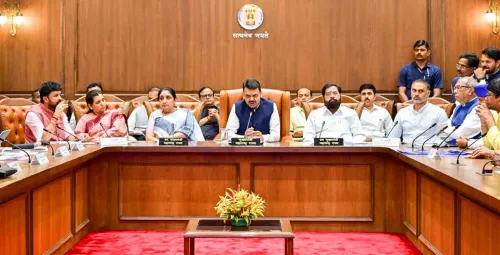
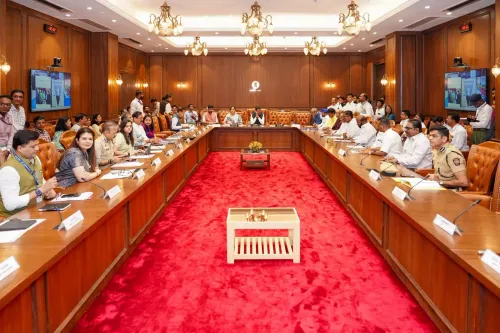
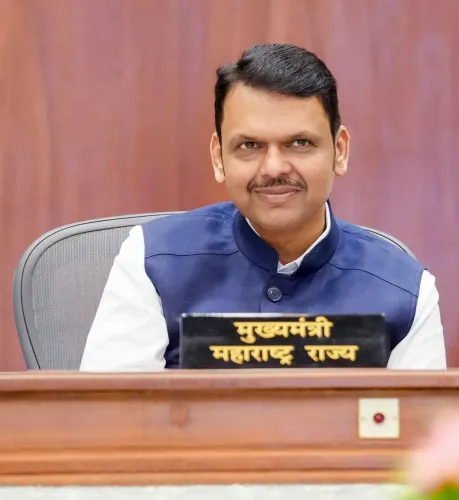
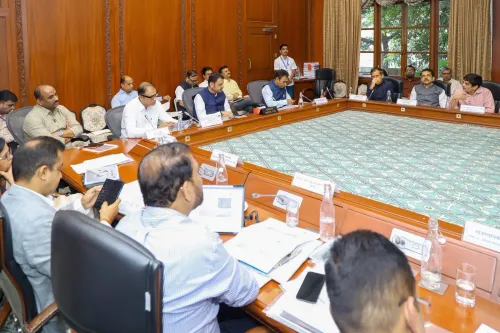
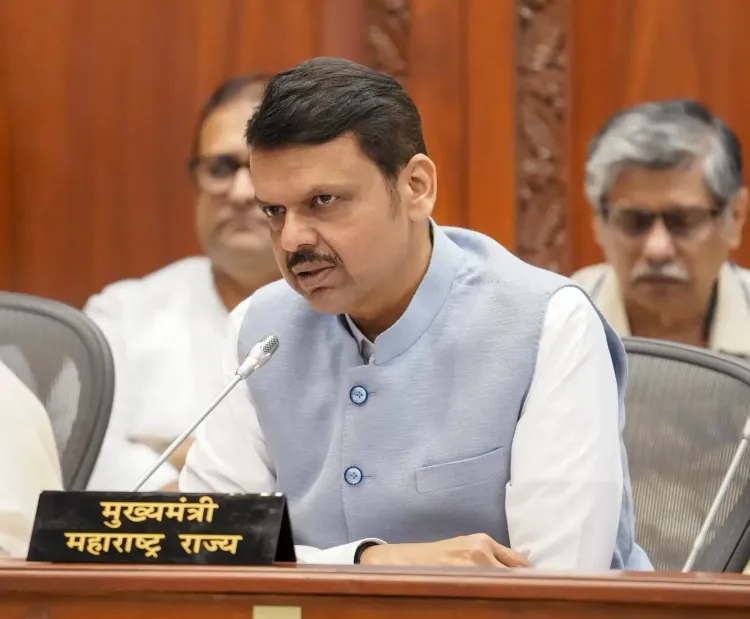
Maharashtra Chief Minister Devendra Fadnavis on Thursday, 26 November 2026, ordered authorities to speed up the remaining construction of the Bharat Ratna Babasaheb Ambedkar memorial at Indu Mills in Mumbai and finish the project by 2027. At a review meeting, he told the contractor to submit a revised work schedule with firm completion timelines to the High-Power Committee. He also warned that stopping work over financial demands would not be tolerated.
Fadnavis directed the Mumbai Metropolitan Region Development Authority (MMRDA) to track progress at the site every day. The move signals tighter oversight of one of the state's most symbolically significant public projects.
Key Developments From the Review Meeting
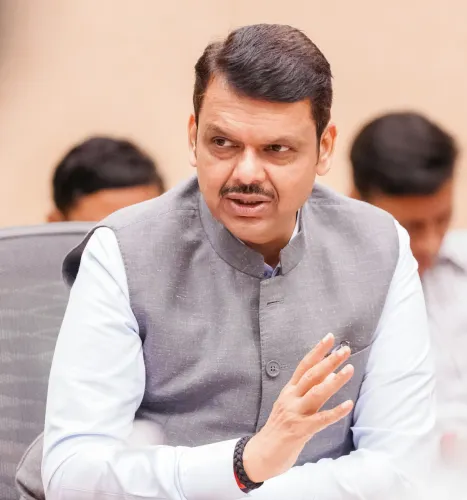
The Chief Minister expressed displeasure over the pace of work. He said completing the project under the terms of the contract is the contractor's responsibility. He added that halting work over financial demands is unacceptable.
Fadnavis instructed officials to assess the executing agency's capacity and commitment. He asked them to consider strict measures, including appointing an alternative agency if necessary.
Minister Shirsat Echoes the Warning
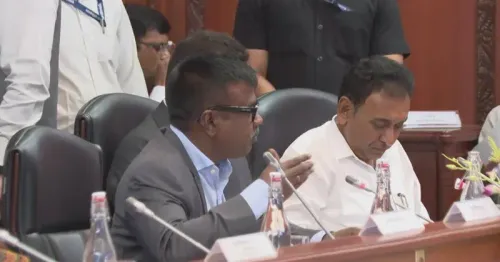
Social Justice and Special Assistance Minister Sanjay Shirsat backed the Chief Minister's stance. He said that halting work for 10 months on any pretext is unjustified.
Shirsat stressed the memorial's deep public and social significance. He urged the contractor to move ahead with concrete planning while the government examines financial matters according to the rules.
Financial Scrutiny Ordered
The government has not dismissed the contractor's financial claims outright. Fadnavis ordered a technical and financial verification of several issues:
- provisions in the contract,
- price-rise indices,
- costs arising from additional work,
- a legal opinion, as per contract terms, on revisions to the Goods and Services Tax (GST) rate,
- whether to provide advance funds against a bank guarantee so material for the bronze cladding can be procured.
He directed that all financial proposals be placed together before the High-Power Committee. The committee will then decide on them under existing rules.
Notably, this two-track approach pairs pressure with process. The contractor is told to resume and speed up work, while its cost concerns go through a formal review rather than ad hoc negotiation.
Parallel Work Plan and Quality Safeguards
To save time, Fadnavis ordered that structural steel erection and bronze cladding proceed in parallel. Scheduling of materials, machinery, manpower, fabrication and on-site construction must be coordinated.
The Chief Minister said there would be zero compromise on structural quality, safety or stability. Running major structural and finishing work at the same time can save months, but it requires tight coordination among agencies. He called for joint action by all agencies involved to meet the 2027 target.
What Happens Next
The immediate next step is the contractor's revised schedule to the High-Power Committee. That will be followed by the committee's decision on the pending financial proposals.
With MMRDA now monitoring the site daily and the option of replacing the agency formally on the table, the coming months will show whether the memorial can make up for lost time and meet the 2027 deadline.
Point of View
Not just a contractor dispute. The state deserves credit for sending the money questions to a formal committee instead of making backroom concessions. But threatening to replace the agency at this late stage carries its own risk of delay, so the threat works only if it brings back discipline rather than restarting procurement. The 2027 date will be credible only if MMRDA's daily monitoring is made public and the committee rules on the financial claims quickly.
NationPress
26 Nov 2026
Frequently Asked Questions
What is the new deadline for the Indu Mills Ambedkar memorial?
Maharashtra Chief Minister Devendra Fadnavis has directed that the memorial be completed by 2027. He set the deadline at a review meeting held on 26 November 2026.
Why did CM Fadnavis express displeasure over the memorial project?
He was unhappy with the slow pace of work. He said halting work over financial demands is unacceptable and that completing the project under the contract is the contractor's responsibility. Minister Sanjay Shirsat added that halting work for 10 months on any pretext was unjustified.
Could the contractor of the Ambedkar memorial be replaced?
Yes, it is a possibility. Fadnavis directed officials to assess the agency's capacity and commitment and to consider strict measures, including appointing an alternative agency if necessary.
What financial issues are being reviewed for the Indu Mills memorial?
Officials will verify contract provisions, price-rise indices and costs of additional work. They will also seek a legal opinion on GST rate revisions and evaluate advance funds against a bank guarantee for bronze cladding material. All proposals will go together to the High-Power Committee for a decision under existing rules.
Who will monitor construction of the Ambedkar memorial?
The Mumbai Metropolitan Region Development Authority (MMRDA) has been directed to monitor daily progress at the Indu Mills site. The contractor must also submit a revised schedule with firm timelines to the High-Power Committee.