CM Fadnavis Unveils Full-Length Statue of Shahu Maharaj in Kolhapur
Synopsis
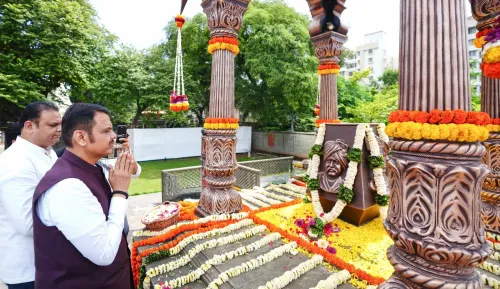
Chief Minister Devendra Fadnavis unveiled a full-length statue of 'Lokraja Rajarshi Chhatrapati Shahu Maharaj' in Kolhapur on 9 August 2026. Deputy CM Sunetra Ajit Pawar was also present. Shahu Maharaj, who ruled Kolhapur from 1894 to 1922, pioneered caste-based reservations in education and employment as early as 1902.
Key Takeaways
CM Devendra Fadnavis unveiled a full-length statue of Chhatrapati Shahu Maharaj in Kolhapur on 9 August 2026 at 5 PM .
Deputy CM Sunetra Ajit Pawar and other dignitaries were present at the ceremony.
Shahu Maharaj ruled Kolhapur from 1894 to 1922 and is titled 'Lokraja Rajarshi' — People's King, Royal Sage.
In 1902 , he introduced caste-based reservations in education and government jobs in Kolhapur state, a landmark early affirmative action measure.
The CMO announcement was issued in three languages — English, Marathi, and Hindi — reflecting the event's broad intended audience.
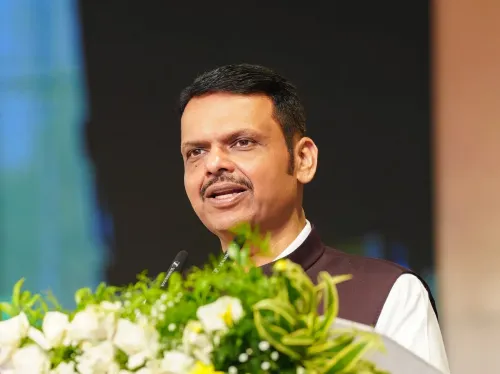
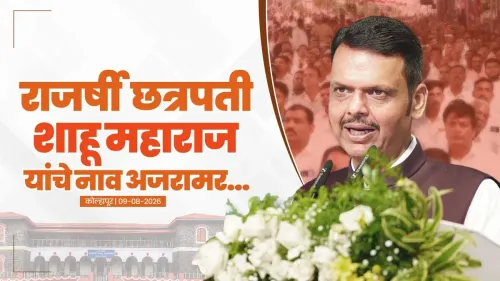
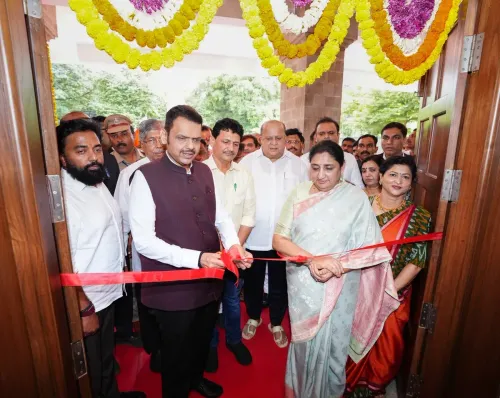
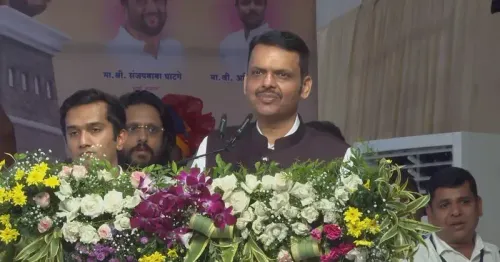
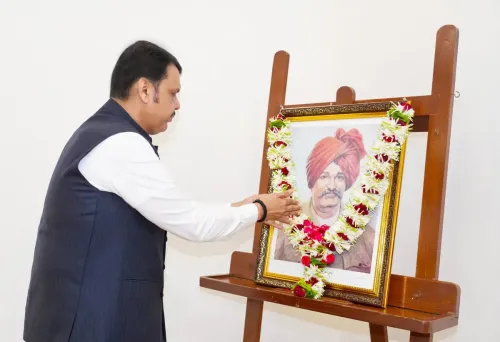
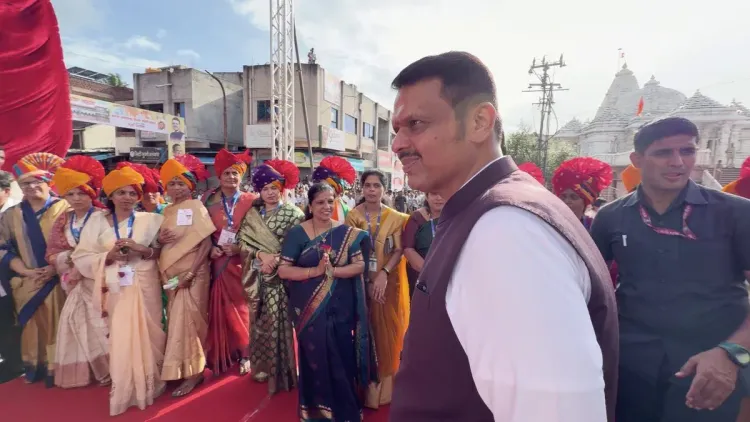
In the city that once served as his royal capital, Chhatrapati Shahu Maharaj was honoured anew on Sunday, 9 August 2026 — as Chief Minister Devendra Fadnavis unveiled a full-length statue of the reformer-king in Kolhapur at 5 PM, with Deputy Chief Minister Sunetra Ajit Pawar and other dignitaries standing witness.
The man behind the marble: who was 'Lokraja Rajarshi'?
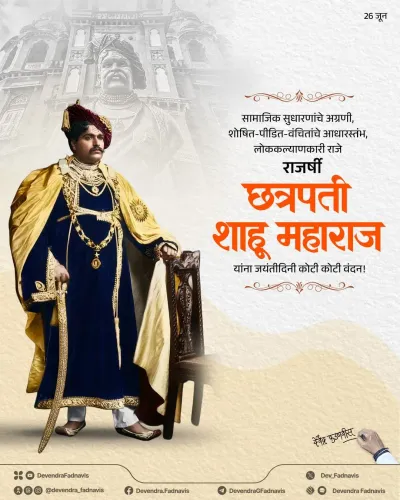
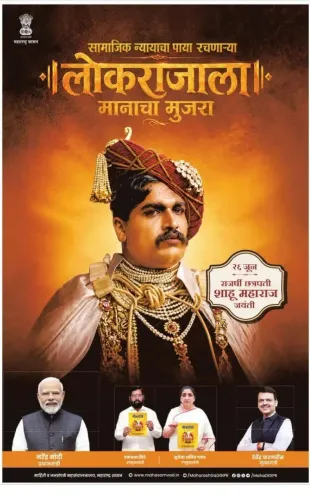
Chhatrapati Shahu Maharaj ruled the princely state of Kolhapur from 1894 to 1922 and is remembered as one of India's earliest champions of social equity. The titles inscribed on the statue — 'Lokraja Rajarshi' (meaning 'People's King, Royal Sage') — are not ceremonial flourishes; they reflect a ruler who turned his court into a laboratory for social change.
In 1902, Shahu Maharaj issued orders mandating caste-based reservations in education and government employment within Kolhapur state — more than four decades before independent India's Constitution enshrined affirmative action nationally. That single act placed him in the direct lineage of India's social-justice movement, alongside figures like Jyotirao Phule and B.R. Ambedkar, who acknowledged his influence.
Kolhapur's continuing claim on his legacy
Kolhapur, tucked in the foothills of the Western Ghats in western Maharashtra, has never let the memory of its reformer-king fade. The city's identity — its institutions, its political culture, its vocal backward-class communities — remains deeply shaped by Shahu Maharaj's century-old interventions. Statue unveilings and commemorative events here carry weight beyond the ceremonial; they signal which version of Maharashtra's history the state government chooses to amplify.
The Maharashtra government has periodically marked milestones tied to regional rulers and reformers, particularly in western Maharashtra districts where the Maratha era and 20th-century reform movements left the deepest imprint. Today's event fits that pattern — but the choice of a full-length statue, and the presence of both the Chief Minister and the Deputy Chief Minister, elevates it above routine commemoration.
Fadnavis and Sunetra Pawar share the dais in Kolhapur
The joint presence of CM Devendra Fadnavis of the BJP and DCM Sunetra Ajit Pawar of the NCP at a single public ceremony in Kolhapur underlines the Mahayuti alliance's effort to project unity on shared cultural ground. Kolhapur is historically significant NCP and Congress territory; honouring Shahu Maharaj here — a figure revered across caste and party lines — is as much political grammar as it is genuine tribute.
The Chief Minister's Office posted the announcement in three languages — English, Marathi, and Hindi — a deliberate signal of the event's intended reach across Maharashtra's linguistic communities.
A reformer who rewrote the rules of power in 1902 now stands in stone in the city he transformed — and the government that unveiled him knows exactly what that image says.
Point of View
The ruling alliance signals alignment with that legacy ahead of any future electoral cycle. The three-language announcement further suggests the government is pitching this moment not just to Kolhapur, but to Maharashtra's full political geography.
NationPress
24 Sept 2026
Frequently Asked Questions
Who was Chhatrapati Shahu Maharaj?
Chhatrapati Shahu Maharaj was the ruler of the princely state of Kolhapur from 1894 to 1922. He is celebrated as a pioneering social reformer who introduced caste-based reservations in education and government employment in Kolhapur as early as 1902, decades before India's Constitution mandated affirmative action nationally.
Where was the statue of Shahu Maharaj unveiled?
The full-length statue was unveiled in Kolhapur, the city in western Maharashtra that served as the capital of Shahu Maharaj's princely state and remains a centre of his legacy.
Who unveiled the statue of Shahu Maharaj in Kolhapur in 2026?
Chief Minister Devendra Fadnavis unveiled the statue on 9 August 2026. Deputy Chief Minister Sunetra Ajit Pawar and other dignitaries were also present at the ceremony.
What does 'Lokraja Rajarshi' mean?
'Lokraja Rajarshi' is a title meaning 'People's King, Royal Sage' in Marathi and Sanskrit. It reflects Shahu Maharaj's reputation as a ruler who prioritised the welfare of ordinary and marginalised people over courtly tradition.
What was Shahu Maharaj's contribution to reservations in India?
In 1902, Shahu Maharaj issued orders mandating caste-based reservations in education and government jobs within Kolhapur state — one of the earliest formal affirmative action measures in Indian history, predating constitutional reservations by nearly five decades.