PM Modi at Bastar COBRA Base: Roads, Towers, Schools in LWE Zones
Synopsis
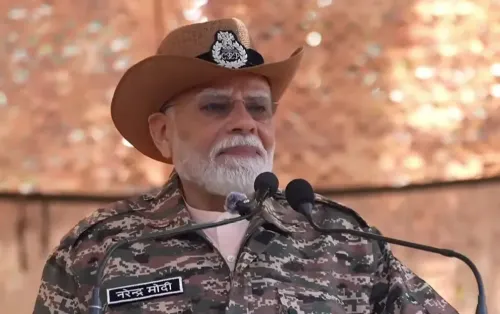
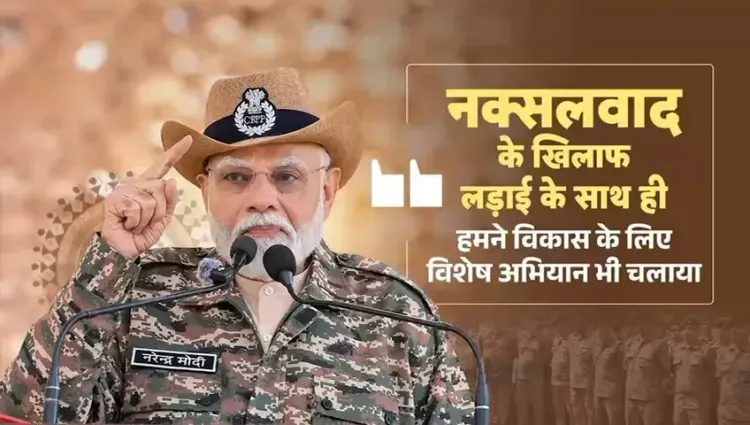
Prime Minister Narendra Modi, addressing troops at a COBRA Operations Base in Bastar on 8 November 2026, cited 15,000 km of roads, 9,500 mobile towers, nearly 175 Eklavya schools and 50 ITIs built in LWE-affected regions as proof of a twin-track anti-Naxal strategy.
Key Takeaways
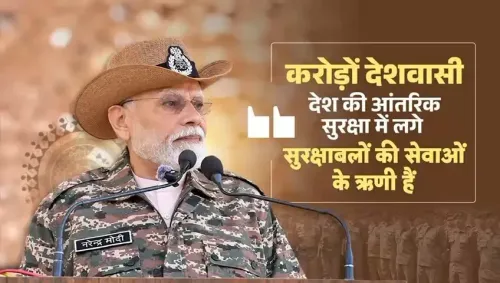
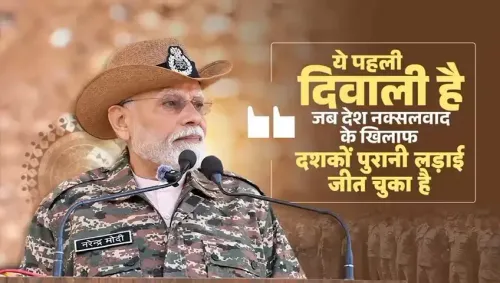
PM Modi visited the COBRA Operations Base in Bastar on 8 November 2026 , underlining the government's simultaneous security and development push in LWE areas.
More than 15,000 km of roads have been built in Left-Wing Extremism-affected regions as part of this dual strategy.
Over 9,500 mobile towers have been installed in Naxal-hit areas to break communication blackouts that insurgents historically exploit.
Nearly 175 Eklavya Model Residential Schools have been opened to provide quality education to Scheduled Tribe children in remote LWE districts.
Around 50 ITIs have been set up in affected areas to link tribal youth to formal employment and reduce vulnerability to recruitment.
The policy template traces back to the Integrated Action Plan of 2010 , with significant scale-up in road, telecom, and school delivery after 2014.
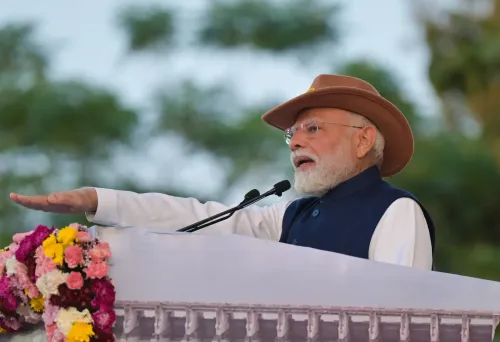
Standing at a COBRA Operations Base in Bastar, Prime Minister Narendra Modi on Sunday, 8 November 2026 laid out a twin-track scoreboard — security operations against Naxalism running in parallel with a development surge designed to hollow out the insurgency's social base. The numbers he cited were striking: more than 15,000 kilometres of roads, over 9,500 mobile towers, nearly 175 Eklavya residential schools, and roughly 50 ITIs — all built or installed in Left-Wing Extremism-affected regions.
What Modi Said at the COBRA Base
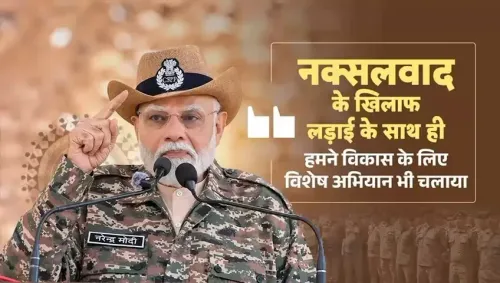
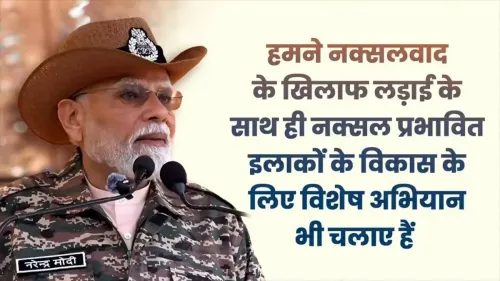
Speaking at the COBRA Operations Base — home to the CRPF's elite jungle-warfare unit — the Prime Minister was explicit about the dual mandate. 'Jab humne naxalvad ke khilaf ladai shuru ki, to iske saath hi naxal prabhavit ilakon ke vikas ke liye vishesh abhiyan bhi chalaye' ('When we launched the fight against Naxalism, we simultaneously ran special campaigns for the development of Naxal-affected areas'), he said, as quoted in the post by the Chief Minister's Office of Chhattisgarh.
He singled out four delivery lines: road connectivity, mobile coverage, tribal schooling through Eklavya Model Residential Schools, and vocational skilling through ITIs. Each one maps directly onto the recognised drivers of LWE influence — isolation, information blackout, educational exclusion, and unemployment.
COBRA, Bastar, and the Security Backdrop
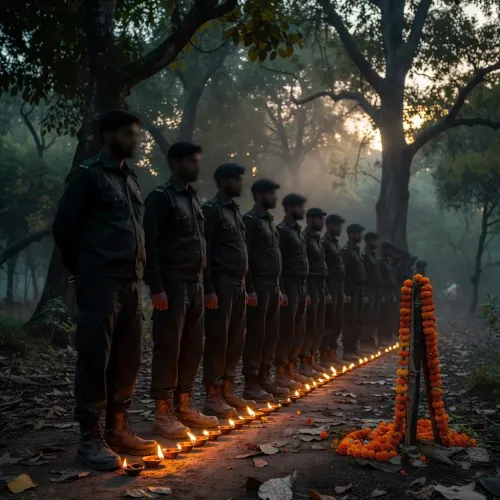
Bastar, the sprawling forested division in southern Chhattisgarh, has been the heartland of India's Naxalite insurgency for decades. The COBRA battalion — Commando Battalion for Resolute Action — is the CRPF's dedicated jungle-warfare force, purpose-built for precisely this terrain. A sitting Prime Minister addressing troops at a COBRA operations base is a pointed signal: Bastar is a frontline, and the government is visibly on it.
Chhattisgarh has long been one of the states hardest hit by Left-Wing Extremism, and Bastar's districts have repeatedly been epicentres of ambushes and counter-operations. The state's tribal population — the community Modi specifically invoked with his mention of Eklavya schools and ITIs — has been caught between insurgent networks and state forces for generations.
Roads and Towers as Counter-Insurgency Tools
The 15,000-km road push in LWE areas is not merely infrastructure — it is state presence made physical. Dedicated road programmes for LWE districts have been sanctioned since the mid-2010s, rooted in the logic that insurgents thrive in ungoverned spaces and that connectivity collapses those spaces. The same rationale drives the 9,500-mobile-tower programme: communication blackouts in deep forest zones have historically protected Naxal movement and coordination.
The Integrated Action Plan, launched in 2010 to address development deficits alongside security, established the policy template Modi was drawing from. What changed post-2014 was scale and speed — road sanctions, telecom rollouts, and school expansions all accelerated significantly in this period.
Eklavya Schools and ITIs: Betting on the Next Generation
Nearly 175 Eklavya Model Residential Schools in LWE-affected zones represent a generational wager. The scheme — originally launched in 1997–98 — provides quality residential education to Scheduled Tribe children in remote areas. Its expansion into Naxal-hit districts is deliberate: educated, employed Adivasi youth are both less vulnerable to recruitment and more likely to become stakeholders in the constitutional order.
The roughly 50 ITIs Modi mentioned complement that logic by plugging the employment gap — skilling tribal youth for formal-sector work rather than leaving them in a labour market where extremist networks can offer an alternative income. Together, the schools and ITIs form the softer layer of a hard-nosed counter-insurgency architecture.
Bastar's forests have been a theatre of conflict for four decades. The Prime Minister's visit to the COBRA base — and the numbers he placed on the table — signal that New Delhi's bet is on making those forests ungovernable for insurgency, one road, one tower, and one school at a time.
Point of View
Presenting infrastructure as an instrument of counter-insurgency as much as governance. The figures he cited, if sustained, would represent one of the most ambitious state-presence drives in central India's post-independence history. Politically, the visit reinforces the BJP's 'NaxalFreeIndia' narrative heading into a period where Chhattisgarh's LWE situation has shown measurable improvement, while also reminding voters that the gains are credited to central, not merely state, initiative. The critical question analysts will probe is whether the school enrolment, road utilisation, and ITI placement numbers on the ground match the construction totals — delivery of physical assets and delivery of outcomes are two different scorecards.
NationPress
9 Nov 2026
Frequently Asked Questions
What did PM Modi announce at Bastar in November 2026?
PM Modi did not make fresh announcements but cited achievements: over 15,000 km of roads, 9,500-plus mobile towers, nearly 175 Eklavya Model Residential Schools, and around 50 ITIs built in Left-Wing Extremism-affected areas of India.
What is the COBRA battalion that Modi visited in Bastar?
COBRA stands for Commando Battalion for Resolute Action, an elite CRPF unit specialised in jungle warfare and anti-Naxal operations, deployed primarily in LWE-affected regions like Bastar.
What are Eklavya Model Residential Schools?
Eklavya Model Residential Schools are a central government scheme, launched in 1997-98 and expanded significantly after 2014, that provide quality residential education to Scheduled Tribe children in remote and LWE-affected districts.
Why are roads and mobile towers important in Naxal-affected areas?
Roads establish physical state presence in otherwise ungoverned forest zones, while mobile towers break communication blackouts that Naxalite networks have historically used to coordinate movement. Both are considered tools of counter-insurgency as much as development.
What is the Integrated Action Plan for LWE districts?
The Integrated Action Plan, launched in 2010, is a central government policy framework that pairs security operations with accelerated development spending in Left-Wing Extremism-affected districts to address the socio-economic conditions that sustain insurgency.