PM Modi warns 'dimagi Naxal' threat persists after armed Naxalism eliminated
Synopsis
Modi declared India free of armed Naxalism — all 126 affected districts cleared by March 2026 — but immediately issued a new warning: the 'dimagi Naxal' ideological threat is still alive. The pivot from battlefield to narrative battleground signals that the government's counter-extremism campaign is entering a new, less clearly defined phase.
Key Takeaways
PM Modi addressed Rashtriya Ekta Diwas at Ekta Nagar, Gujarat on 31 October 2026 .
He claimed all 126 Naxal-affected districts identified in 2015 had been cleared by March 2026 .
Modi warned that 'dimagi Naxal' (intellectual Naxalism) remains an active ideological threat to national unity.
He alleged certain forces are using social media to spread rumours and divide Indians.
The Prime Minister also called for stronger border security , action against infiltration, and a secular civil code .
Formerly Naxal-hit regions are being connected via roads, mobile networks, schools, and healthcare , according to Modi.
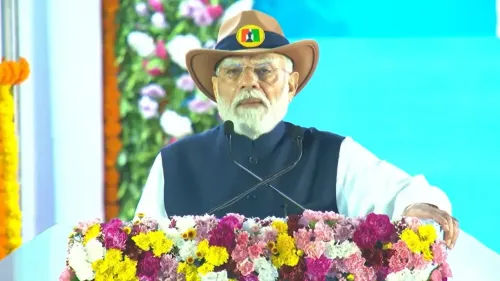
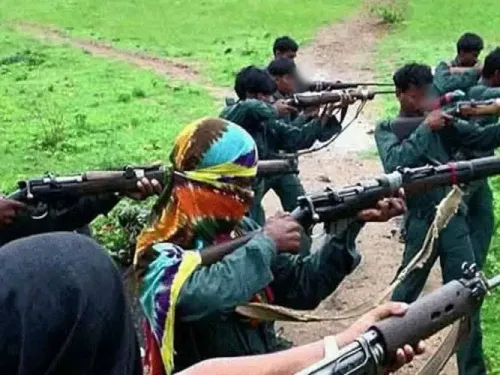
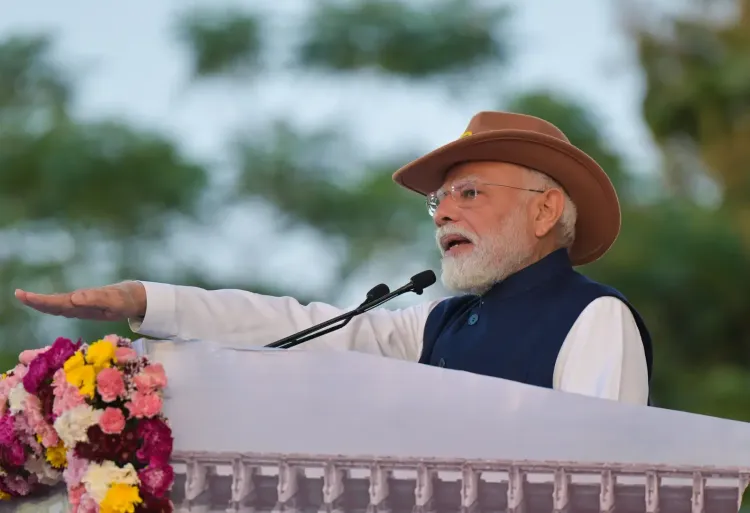
Prime Minister Narendra Modi on 31 October 2026 cautioned that the threat of what he termed 'dimagi Naxal' — or intellectual Naxalism — had not disappeared from the country, even as he declared that armed Left-wing extremism had been decisively defeated, with all Naxal-affected districts cleared by March this year. Addressing the Rashtriya Ekta Diwas gathering at Ekta Nagar in Gujarat, Modi framed the ideological challenge as the next frontier in the country's battle against Naxalism.
The Security Gains Claimed
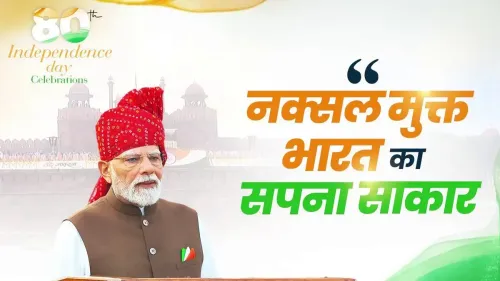
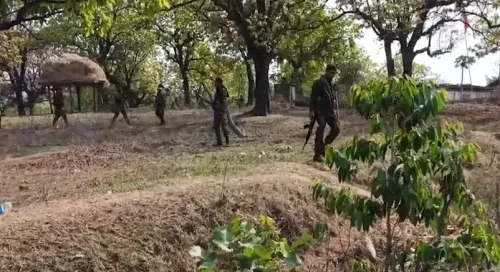
Modi told the audience that India had 'broken the backbone' of armed Naxalism. He cited data indicating that 126 districts were affected by Left-wing extremism in 2015, while no district remained under Naxal influence by March 2026. The Prime Minister referred to a pledge he had made at the same venue a year ago — that the country would not rest until it was free of Naxalism and Maoist violence — and declared that resolve had now been fulfilled.
He also paid tribute to security personnel who lost their lives in anti-Naxal operations and welcomed families from formerly affected regions attending the National Unity Day celebrations.
The Warning on 'Intellectual Naxalism'
'We have ended Naxalism in remote areas. But the threat of intellectual Naxalism has not yet passed from the country. The nation must always remain alert to these intellectual Naxalites,' Modi said. He did not name specific individuals or organisations in this context, but urged citizens to identify and collectively confront what he described as forces attempting to divide Indians, spread rumours, and damage the country's image — particularly through social media.
This comes amid a broader government focus on narratives around national unity and sovereignty. Critics have in the past argued that the term 'intellectual Naxal' is used loosely and risks stigmatising legitimate dissent, though the government maintains the label refers to ideological support for violent extremism.
Border Security and Civil Code Call
In a wide-ranging address, Modi also called for stronger action to secure the country's borders, prevent infiltration, and address what he described as demographic changes. He additionally advocated movement towards a secular civil code — a longstanding Bharatiya Janata Party (BJP) policy position that remains politically contentious.
Development Push in Former Naxal Regions
The Prime Minister highlighted that regions which had endured decades of violence were now being connected to mainstream development through roads, mobile networks, schools, and healthcare facilities. He said the national resolve to build a developed India by 2047 must continue despite obstacles and challenges. The emphasis on development as a counter-insurgency complement has been a consistent theme of the government's approach to Left-wing extremism since 2014.
With armed Naxalism now declared eliminated at the district level, attention is likely to shift to whether the claimed development gains are independently verified and sustained in affected communities.
Point of View
But the immediate pivot to 'intellectual Naxalism' raises a harder question: who defines it? The term has no legal boundary, and its application has repeatedly drawn challenges from civil society groups who argue it conflates academic criticism and activist dissent with violent extremism. The government's development narrative in former Naxal districts also deserves independent scrutiny — connectivity metrics are measurable, but whether they have translated into genuine economic inclusion for Adivasi communities remains contested. The shift from a clearable security target to an ideological one means this campaign has no obvious finish line.
NationPress
31 Oct 2026
Frequently Asked Questions
What did PM Modi say about 'dimagi Naxal' at Rashtriya Ekta Diwas 2026?
Modi warned that even though armed Naxalism had been eliminated, the threat of 'dimagi Naxal' — or intellectual Naxalism — had not passed. He urged citizens to remain alert and collectively confront forces he said were attempting to divide the country and damage its image through social media.
Has India really eliminated all Naxal-affected districts?
According to Modi's claim at the Ekta Nagar address, all 126 districts that were affected by Left-wing extremism in 2015 had been cleared of Naxal presence by March 2026. The government says this marks the fulfilment of a pledge made at the same venue a year earlier.
What is Rashtriya Ekta Diwas and why is it observed on 31 October?
Rashtriya Ekta Diwas, or National Unity Day, is observed on 31 October each year to mark the birth anniversary of Sardar Vallabhbhai Patel. It was instituted by the Modi government in 2014 to celebrate national integration and unity.
What other policy positions did Modi outline in his Ekta Nagar speech?
Beyond Naxalism, Modi called for stronger border security, prevention of infiltration and demographic changes, and progress towards a secular civil code. He also reiterated the government's goal of building a developed India by 2047.
Why is the 'intellectual Naxal' label controversial?
Critics, including civil liberties groups and legal experts, argue that the term 'intellectual Naxal' is loosely defined and has been applied to academics, journalists, and activists who have no link to violence. The government maintains the label refers specifically to those providing ideological cover for armed extremism.