Did the Faridabad Module Plan a Separatist Revival to Restart Stone Pelting and Boost Terror Recruitment in the Valley?
Synopsis
Explore the alarming discoveries surrounding the Faridabad module's intention to reignite separatism in Jammu and Kashmir. Investigations reveal plans for a campaign to promote terror recruitment and stone pelting, raising concerns about the region's security.
Key Takeaways
Faridabad module aims to carry out terror activities.
Efforts to revive separatism in Jammu and Kashmir were uncovered.
Investigations revealed plans for propaganda distribution.
Recruitment in terrorist groups has decreased significantly.
The Indian government promotes inclusivity over separatism.
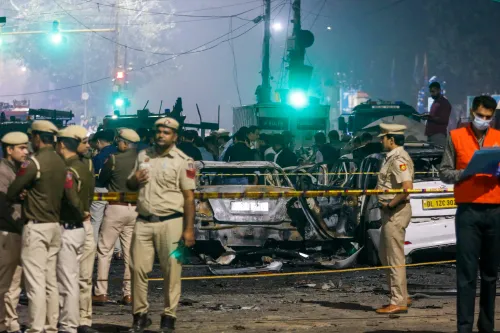
New Delhi, Dec 8 (NationPress) The Faridabad module was established with the goal of executing a series of explosions in and around Delhi, as investigations have uncovered. Current inquiries have revealed that, in addition to instilling fear through multiple blasts, there were efforts to reinstate separatism in Jammu and Kashmir.
An official noted that after the abrogation of Article 370, separatist sentiments in Kashmir diminished significantly. While inclusivity was a major factor in curbing separatism, numerous money laundering cases also contributed to resolving the issue.
Despite Pakistan's persistent efforts to sustain terrorism in Jammu and Kashmir, it recognized that the presence of separatists in the Valley was equally crucial. These separatists propagated the ideology that incited youth to take up arms.
Indian authorities have concentrated on mitigating separatism as it is closely associated with terror-related endeavors in the Valley. An investigator involved with the Faridabad module indicated that their investigations revealed serious attempts to rejuvenate separatism in the Valley. Various raids conducted in Jammu and Kashmir have resulted in the confiscation of incriminating evidence, including literature from banned separatist groups.
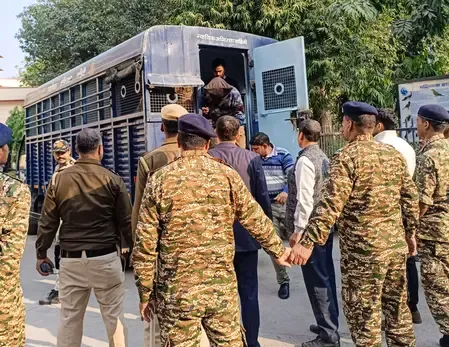
During interrogation, Mufti Irfan Ahmed, the mastermind behind the Faridabad module, indicated that efforts were underway to revive separatism in Jammu and Kashmir. Authorities discovered substantial materials supporting this claim. The objective was to revert Jammu and Kashmir to its pre-2019 state, where separatists thrived.
These individuals played a pivotal role in encouraging the youth to adopt armed rebellion. They would also call for stone pelting every Friday and urged young people to attend the funerals of terrorists, thereby elevating them to martyr status. With separatism waning, the recruitment rates for terrorist groups such as Jaish-e-Mohammed, Lashkar-e-Taiba, and Hizbul Mujahideen have significantly decreased.
An official from the Intelligence Bureau explained that the decline of separatism signifies the eradication of the underlying ideology. There are no longer figures to provoke the youth to embrace violence. The Indian government has instead been advocating for the youth of Kashmir to engage in productive activities. Additionally, there has been a substantial push by the government to rejuvenate tourism, although the Pahalgam attack was executed by Pakistan to deter tourists, which momentarily succeeded.
When separatists were active, they executed Pakistan's agenda for considerable financial gains. Their directive was to keep Jammu and Kashmir turbulent and ensure more individuals took up arms.
As part of the investigation, authorities have uncovered that members of the Faridabad module intended to launch a comprehensive campaign across Jammu and Kashmir to disseminate separatist ideology. The module members had prepared posters and propaganda materials, planning to distribute pamphlets throughout the Union Territory to sway the youth.
Moreover, they were organizing efforts to put up posters glorifying separatists and calling for the return of stone pelting after Friday prayers. Another official reported that these module members were making sustained efforts to initiate a significant campaign for the revival of separatism. Mufti Irfan was spearheading this initiative, planning to convene large gatherings to promote separatist ideology.
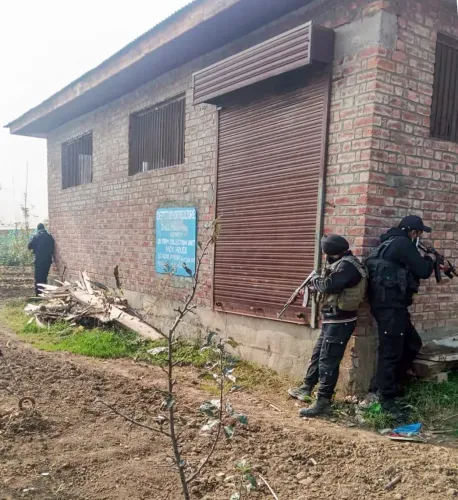
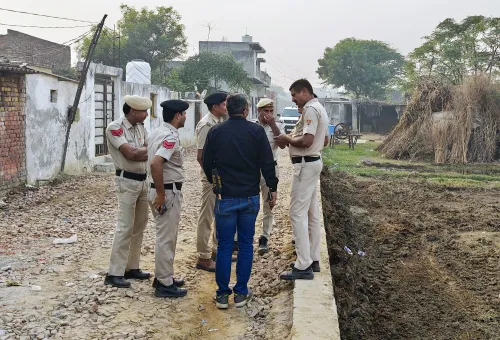
Further evidence of the Faridabad module's attempts to revive separatism was discovered during a raid in Pulwama on Sunday. The Jammu and Kashmir police confiscated significant materials, including posters and literature from banned separatist organizations. Authorities are now conducting a thorough examination of the seized materials. All signs indicate a major initiative was underway to restore separatism in the Valley, according to a police official.
Point of View
It is essential to recognize the ongoing threats posed by separatist ideologies in Jammu and Kashmir. The investigations surrounding the Faridabad module reveal a troubling attempt to revive a cycle of violence. The government's focus on inclusivity and constructive engagement is critical for the region's long-term stability.
NationPress
22 Sept 2026
Frequently Asked Questions
What is the Faridabad module?
The Faridabad module refers to a group allegedly involved in planning terrorist activities, including bombings and attempts to revive separatism in Jammu and Kashmir.
Why is there concern over separatism in Jammu and Kashmir?
Separatism in Jammu and Kashmir has been linked to violence and terrorism, with certain groups encouraging youth to take up arms, which poses a significant threat to the region's stability.
What evidence was found regarding the Faridabad module?
Investigations uncovered materials indicating plans to distribute propaganda and revive separatist ideology among the youth in Jammu and Kashmir.
How has the Indian government responded to separatism?
The Indian government has focused on promoting inclusivity and constructive activities among the youth in Kashmir, aiming to diminish separatist sentiments.
What impact did the abrogation of Article 370 have?
The abrogation of Article 370 led to a significant decline in separatist activities and sentiments in Jammu and Kashmir, shifting the focus towards stability and inclusivity.