What Can Farmers Expect from Budget 2026-27?
Synopsis
Farmers are looking for relief in the upcoming budget with hopes for MSP guarantees and improved support. Will the government deliver on its promises for a profitable farming future? Read on to discover what the agricultural sector is anticipating from Budget 2026-27.
Key Takeaways
Farmers expect guarantees on Minimum Support Price (MSP).
The agricultural budget allocation has significantly increased.
Smallholder farmers require tailored support and policy changes.
Investment in technology and infrastructure is a priority.
Direct income transfers and crop insurance remain vital.
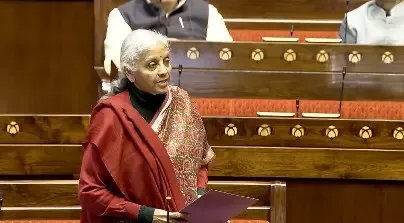
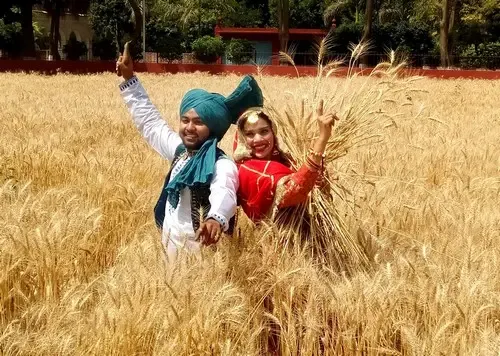
New Delhi, Jan 31 (NationPress) As Finance Minister Nirmala Sitharaman prepares to unveil her ninth consecutive budget on Sunday, February 1, farmers throughout India are eagerly anticipating a blend of assurances that include subsidies, a commitment to a profitable Minimum Support Price (MSP), enhanced access to credit, investments in advanced technology and infrastructure, and support for climate resilience.
She has consistently assured that Prime Minister Narendra Modi prioritizes four key groups – ‘Garib’ (poor), ‘Mahilayen’ (women), ‘Yuva’ (youth), and ‘Annadata’ (farmers).
India safeguards its farmers through a combination of budgetary support, targeted initiatives, and institutional reforms. Over the past decade, the agricultural budget has seen a steady increase, with many farmers benefiting from direct income transfers, crop insurance, access to credit, and subsidized inputs.
Budget allocations for the Department of Agriculture and Farmers' Welfare (DA&FW) have surged from Rs. 21,933 crores in 2013–14 to Rs. 1.27 lakh crore in the Budget Estimates (BE) for 2025–26. Agricultural spending is also funneled through various ministries, including those for irrigation, renewable energy, fertilizers, rural employment, and research. This reflects a strong fiscal commitment and illustrates a comprehensive governmental strategy.
Allocations have more than doubled since 2018, highlighting the government's focus on bolstering farm incomes and resilience. However, the share of agriculture within the broader public expenditure framework is gradually diminishing.
“We will continue to advocate for our ongoing demand for MSP. Meanwhile, fertilizer subsidies are decreasing, irrigation facilities require enhancement, and farmers aren't being compensated for crop losses due to natural disasters like floods and droughts,” remarked P. Krishnaprasad, a farmer leader aligned with the Samyukta Kisan Morcha (SKM).
When reminded that the PM Fasal Bima Yojana was initiated to provide affordable insurance against crop loss due to droughts, floods, and pests, he highlighted instances where the scheme has fallen short in its implementation.
Calling for a price guarantee, Krishnaprasad mentioned a recent case where growers were compelled to sell onions for as low as 50 p. and Rs. 2, while he was purchasing the same product in Delhi for Rs. 35-50 per kilo.
“The government must ensure farmers can secure a profit, rather than allowing middlemen to thrive,” he insisted. Notably, onions are not included among the 22 crops eligible for MSP.
In contrast, the Bharatiya Kisan Sangh (BKS) is advocating for easier and broader market access for farmers, rather than a guaranteed base price.
“The average input costs for farmers in Odisha or West Bengal differ significantly from those in Punjab. A uniform MSP may benefit some but may not even cover the costs for others,” explained BKS General Secretary Mohini Mohan Mishra. “We prefer open market access that provides farmers with easier selling options and more alternatives,” he added.
The farmers' organization associated with the Rashtriya Swayamsevak Sangh (RSS) is also pushing for a review of GST on pumps and pipes used for irrigation, support for organic farming, and regulated imports of pulses and oilseeds to ensure India's self-sufficiency in these commodities.
Additionally, the BKS urges the government to assist smallholder or landless farmers in diversifying into livestock, bee-keeping, or mushroom farming for self-sustainability. They are also requesting budget allocations for agricultural education and research, rather than depending on international collaborations.
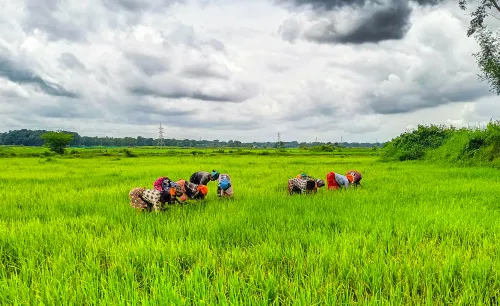
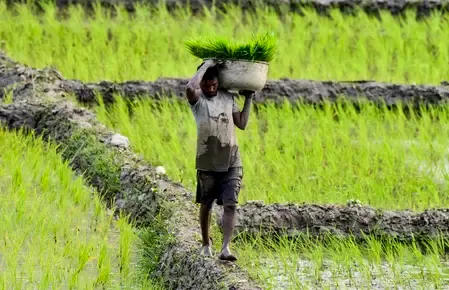
Despite governmental support through MSP, affordable insurance coverage, subsidies, and direct income transfers, small and marginal farmers, who own less than 2 hectares and make up over 80 percent of India's farming population, face distinct challenges.
The future may depend on broader policy changes rather than mere financial assistance. Farmers across India are now anticipating the budget commitments to be revealed on Sunday.
Point of View
While the government has made strides in supporting farmers through various initiatives, the pressing challenges faced by small and marginal farmers must not be overlooked. There is a clear need for comprehensive policy changes that prioritize farmers' long-term sustainability over short-term financial relief. As we await the budget, it's crucial to balance immediate needs with future agricultural viability.
NationPress
19 Sept 2026
Frequently Asked Questions
What is the Minimum Support Price (MSP)?
The Minimum Support Price (MSP) is a price at which the government purchases crops from farmers, ensuring they receive a minimum return on their produce.
How has the agricultural budget changed over the years?
The agricultural budget has increased significantly, rising from Rs. 21,933 crores in 2013-14 to Rs. 1.27 lakh crore in the Budget Estimates for 2025-26.
What are the key demands of farmers from the upcoming budget?
Farmers are seeking guarantees on MSP, improved access to credit, subsidies, and investments in modern technology and infrastructure.
Who are the main farmer organizations involved in the budget discussions?
Key organizations include the Samyukta Kisan Morcha (SKM) and the Bharatiya Kisan Sangh (BKS).
Why is there a call for policy changes rather than just financial support?
Many small and marginal farmers face unique challenges, and broad policy changes are necessary to ensure long-term sustainability and resilience in agriculture.