FM Sitharaman marks 9 years of GST as digital growth milestone

Synopsis
Union Finance Minister Nirmala Sitharaman marked nine years of GST on 1 July 2026, calling it a milestone in India's digital-driven growth and economic integration. GST replaced multiple central and state levies when it was launched on 1 July 2017 under the 101st Constitutional Amendment.
Key Takeaways
Union Finance Minister Nirmala Sitharaman marked the ninth anniversary of GST on 1 July 2026 with a post on X.
GST was launched on 1 July 2017 under the 101st Constitutional Amendment , replacing central excise, service tax, and state VAT among other levies.
The Finance Minister described GST as 'a milestone in India's journey of digital-driven growth and massive economic integration.' The GST Council and GSTN form the twin pillars of the regime, governing rates and providing the digital compliance infrastructure respectively.
Key policy questions ahead include rate rationalisation and the possible inclusion of petroleum products within the GST framework.
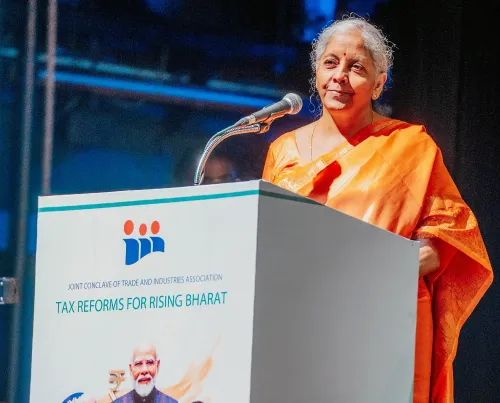
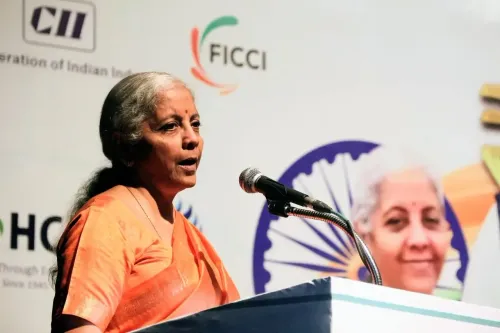
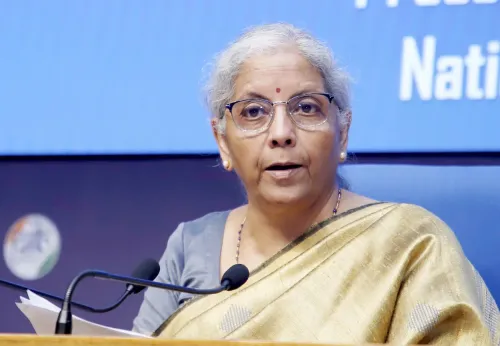
Union Finance Minister Nirmala Sitharaman on Wednesday, 1 July 2026 marked the ninth anniversary of the Goods and Services Tax (GST), calling the unified indirect tax regime a milestone in India's journey of digital-driven growth and economic integration.
Context
Posting on X with the hashtag #9YearsOfGST, the Finance Minister described GST as 'a milestone in India's journey of digital-driven growth and massive economic integration, powering the nation's progress.' The post marks exactly nine years since GST was rolled out at the stroke of midnight on 1 July 2017, a date the government has consistently observed as a landmark in tax reform.
GST replaced a fragmented web of central levies — including central excise duty and service tax — as well as state-level value-added taxes, octroi, and entry taxes. The consolidation, enabled by the 101st Constitutional Amendment, created a single national market for goods and services for the first time in independent India's fiscal history.
Policy Backdrop
The architecture of GST rests on two pillars: the GST Council, a constitutional federal body comprising central and state finance ministers that decides rates, exemptions, and rules; and the Goods and Services Tax Network (GSTN), the technology backbone handling taxpayer registration, return filing, and invoice matching at scale.
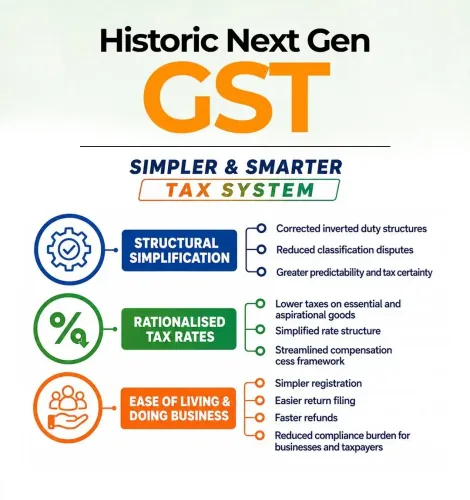
From its inception, the reform was explicitly designed to reduce cascading taxes, widen the formal tax base, and harness technology for compliance. Mechanisms such as e-way bills and real-time invoice matching have progressively tightened the compliance loop, aligning with the broader post-2014 push to digitise India's economic administration.
Sitharaman, who has helmed the Finance Ministry since 2019, has presided over several rounds of rate rationalisation through the GST Council and has consistently positioned the tax as central to India's formalisation agenda.
Stakeholders and Impact
The GST framework directly affects businesses of all sizes, state governments that receive a constitutionally guaranteed share of collections, and hundreds of millions of consumers and taxpayers across the country. States that were initially apprehensive about ceding fiscal autonomy were brought on board through a compensation mechanism, though that arrangement has since lapsed.
For businesses, the shift to a single tax identification and unified return-filing system reduced inter-state friction and eliminated the need to navigate dozens of overlapping levies. For state governments, GSTN data has become a key tool for tracking economic activity and plugging revenue leakage.
What's Next
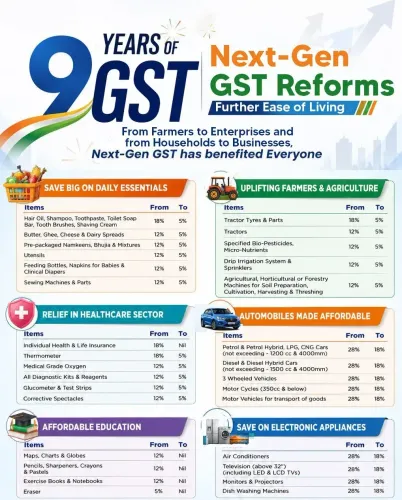
The ninth anniversary arrives as the GST Council continues deliberations on rate rationalisation — a process aimed at simplifying the multi-slab structure and potentially bringing currently excluded items such as petroleum products within the GST ambit. Any such changes would require fresh legislative action and political consensus among states. Observers will also watch the next parliamentary session for potential amendments to the GST law. The government's anniversary messaging signals that GST remains a centrepiece of its economic narrative heading into the coming fiscal cycle.
Point of View
Technology-led reform rather than a mere tax change. By anchoring the message in 'digital-driven growth,' the Finance Ministry ties the nine-year-old levy to the broader Digital India narrative, reinforcing its relevance ahead of any potential rate rationalisation debates. The framing also serves a political function: positioning the BJP-led government as the architect of economic modernisation at a time when fiscal consolidation and growth optics matter. Crucially, the post avoids specific revenue or compliance figures, suggesting a deliberate choice to keep the messaging aspirational rather than data-bound.
NationPress
1 Jul 2026
Frequently Asked Questions
When was GST introduced in India?
GST was introduced in India on 1 July 2017 , following the passage of the 101st Constitutional Amendment . It subsumed central levies such as excise duty and service tax, as well as state-level taxes including VAT and octroi, into a single unified indirect tax.
What did Nirmala Sitharaman say about GST on its 9th anniversary?
On 1 July 2026 , Finance Minister Nirmala Sitharaman posted on X that 'GST is a milestone in India's journey of digital-driven growth and massive economic integration, powering the nation's progress,' using the hashtag #9YearsOfGST .
What is the GST Council and what does it do?
The GST Council is a constitutional federal body comprising the Union Finance Minister and state finance ministers. It decides GST rates, exemptions, and procedural rules, and must achieve a three-fourths weighted majority for its decisions to carry.
What are the key GST reforms expected in 2026?
The GST Council is actively deliberating on rate rationalisation to simplify the multi-slab structure. Policymakers and industry bodies have also long debated bringing petroleum products under GST, which would require fresh legislative consensus among states.