Delhi-NCR Faces Unusual Weather: Fog, Heat, and Pollution Escalate
Synopsis
The National Capital Region is facing an unusual blend of fog, rising temperatures, and alarming pollution levels, creating significant challenges for residents. With temperatures soaring and air quality deteriorating, experts are calling for urgent measures to safeguard public health.
Key Takeaways
Unusual weather patterns are impacting daily life in Delhi-NCR.
The region is experiencing a combination of morning fog , rising temperatures, and increasing pollution.
Air quality levels have reached severe categories in several areas.
Public health experts are warning of potential respiratory issues due to prolonged exposure to poor air quality.
Authorities and residents are urged to take precautionary measures .
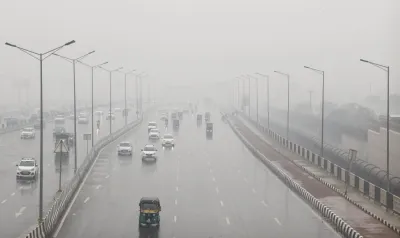
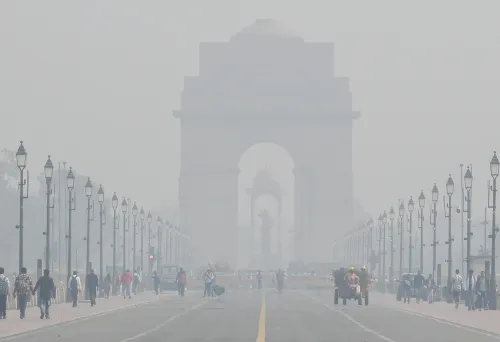
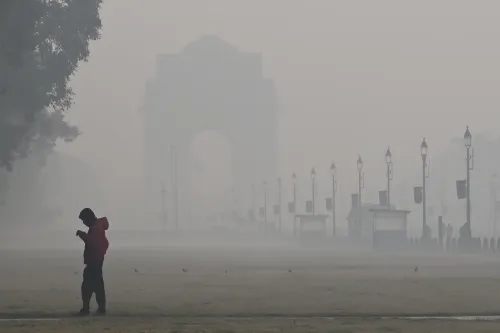
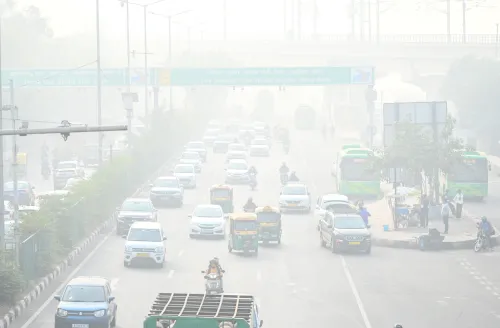
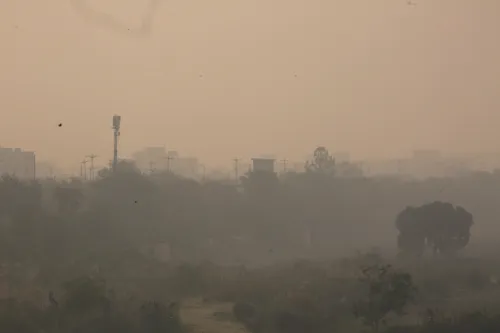
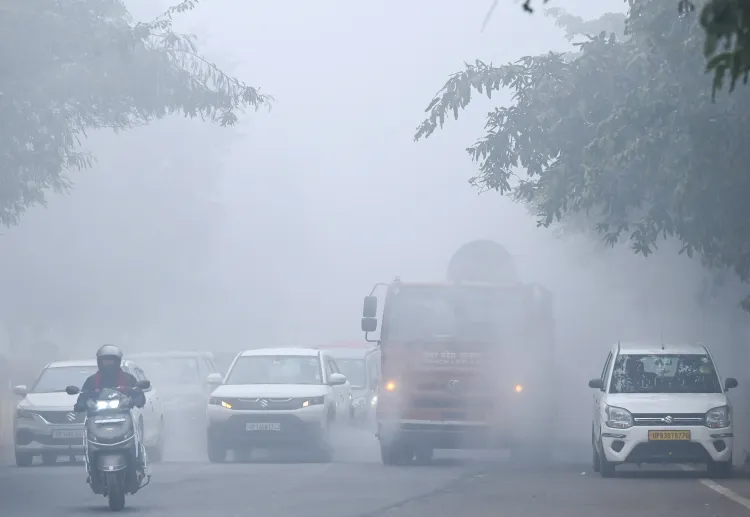
New Delhi, March 11 (NationPress) The weather in the National Capital Region (NCR) has taken a troubling turn for its inhabitants, marked by an unusual mix of morning fog, escalating daytime temperatures, and dangerously high pollution levels that are significantly affecting daily life. The dense fog during the early hours hampered visibility and travel, while the abrupt increase in temperatures later in the day made it feel more akin to April than the beginning of March.
As per the India Meteorological Department (IMD), the area is forecasted to experience clear skies and dry conditions over the upcoming days. The maximum temperature recorded in Delhi reached a sweltering 37 degrees Celsius, while the minimum temperature was noted at 18 degrees Celsius. Humidity levels also showed drastic variations, plunging from 88 percent in the morning to around 45 percent later in the day.
The IMD anticipates that similar weather patterns will continue on March 12 and 13, with high temperatures expected to linger around 35 degrees Celsius and minimum temperatures staying near 18 degrees Celsius. The early onset of heat has intensified the discomfort for residents who are already contending with worsening air quality.
In the midst of rising heat and foggy mornings, pollution levels in the NCR have surged to alarming heights. The Air Quality Index (AQI) has surpassed the red alert in numerous areas, entering the “very poor” and “severe” classifications, raising significant health alarms. Experts caution that extended exposure to such hazardous air can lead to respiratory issues and other long-term health complications.
Greater Noida has been identified as the most severely impacted area. Knowledge Park-V noted an astounding AQI of 429, categorizing it firmly in the “severe” range. Knowledge Park-III also reported alarmingly poor air quality with an AQI of 301.
In nearby Noida, the pollution scenario remains equally dire. Sector 116 recorded the highest AQI at 362, followed by Sector 125 at 335, Sector 1 at 304, and Sector 62 at 262. Ghaziabad is also grappling with perilous pollution levels, with Loni noted as the most contaminated area, reporting an AQI of 358. Sanjay Nagar showed an AQI of 334, Vasundhara 317, and Indirapuram 326.
In the national capital, Chandni Chowk was cited as the most polluted spot with an AQI of 390. Anand Vihar trailed closely with an AQI of 388, while Bawana and Alipur both recorded AQIs of 312. In contrast, Aya Nagar and the Cantonment area displayed relatively better air quality, with AQIs of 206 and 214 respectively.
Complicating matters, Delhi-NCR experienced an unexpected layer of haze and fog on Tuesday morning despite rising temperatures. Some reports initially attributed this phenomenon to fires ignited by attacks on Iran's oil infrastructure, suggesting potential environmental ramifications. However, meteorologists dismissed these claims, indicating that the haze was likely due to dust carried by winds from Balochistan and the Thar Desert in Rajasthan.
Meteorologists noted that such fog and haze events have been documented in March under specific atmospheric conditions in previous years. Meanwhile, data from the IMD highlighted that on March 8, Delhi's temperature exceeded 35 degrees Celsius—marking the earliest occurrence in at least 15 years—underscoring the unusually warm start to March this year.
As temperatures rise, fog diminishes visibility, and pollution levels remain critically high, residents across Delhi-NCR continue to grapple with deteriorating environmental circumstances. Experts have urged both authorities and the public to implement precautionary measures as the region navigates this challenging weather pattern.
Point of View
My perspective emphasizes the pressing nature of current environmental conditions in Delhi-NCR. The combination of rising temperatures and severe pollution is not just a local issue; it poses a risk to public health on a broader scale, necessitating immediate attention from both authorities and citizens.
NationPress
19 Sept 2026
Frequently Asked Questions
What is the current air quality in Delhi-NCR?
The Air Quality Index (AQI) in various regions of Delhi-NCR is alarmingly high, with areas like Greater Noida recording an AQI of 429, indicating severe pollution.
How are rising temperatures affecting residents?
The sudden rise in temperatures is causing discomfort among residents, making conditions feel more like April than early March, while also exacerbating existing air quality issues.
What health risks are associated with high pollution levels?
Prolonged exposure to hazardous air quality can lead to serious respiratory problems and other long-term health complications.
What measures can residents take to protect themselves?
Residents are advised to limit outdoor activities, use air purifiers indoors, and wear masks when going out to mitigate health risks.
Why is there fog in March in Delhi-NCR?
The fog is attributed to specific atmospheric conditions, including dust carried by winds from distant regions, rather than local environmental factors.