Gadkari Highlights National Highway Projects for Lucknow
Synopsis
Union Minister Nitin Gadkari on 14 July 2026 spotlighted national highway projects aimed at bolstering holistic urban development in Lucknow, linking the push to the PM GatiShakti framework and tagging senior Uttar Pradesh BJP leaders in a coordinated infrastructure signal.
Key Takeaways
Union Minister Nitin Gadkari highlighted national highway projects for Lucknow on 14 July 2026 via a post on X.
The post invoked #GatiShakti and #PragatiKaHighway , aligning the projects with the PM GatiShakti National Master Plan launched in October 2021 .
Bharatmala Pariyojana , approved in 2015 , targets 34,800 km of national highways, with Lucknow as a key urban node.
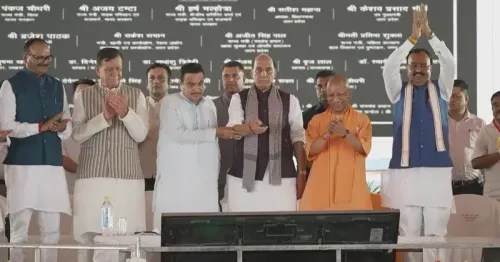
Senior Uttar Pradesh leaders including CM Yogi Adityanath , Rajnath Singh , Keshav Prasad Maurya , and Brajesh Pathak were tagged, signalling central-state coordination.
Lucknow residents and Uttar Pradesh commuters are the primary beneficiaries of improved highway connectivity and reduced logistics costs.
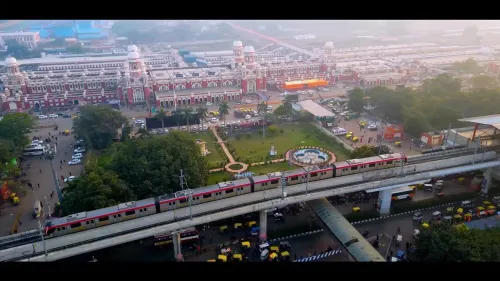
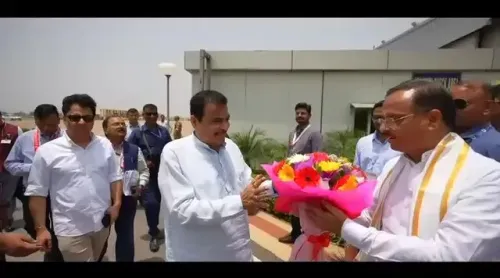
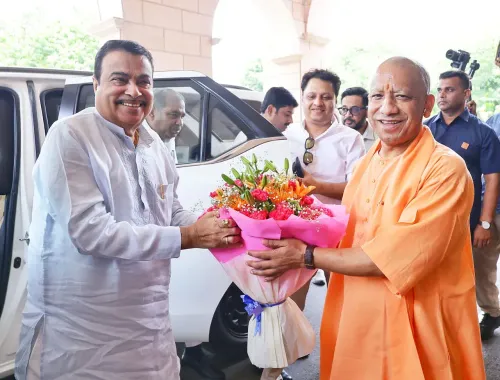
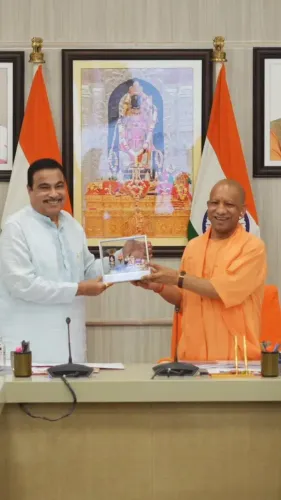
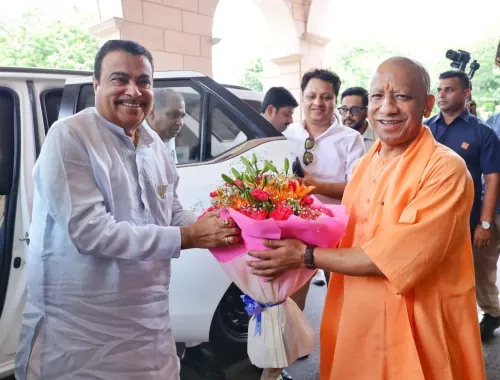
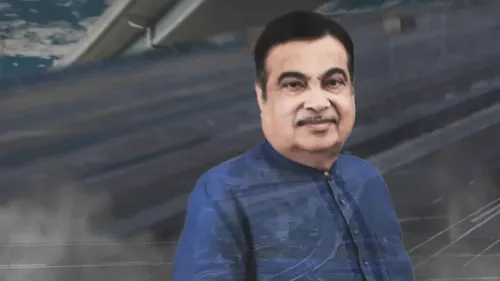
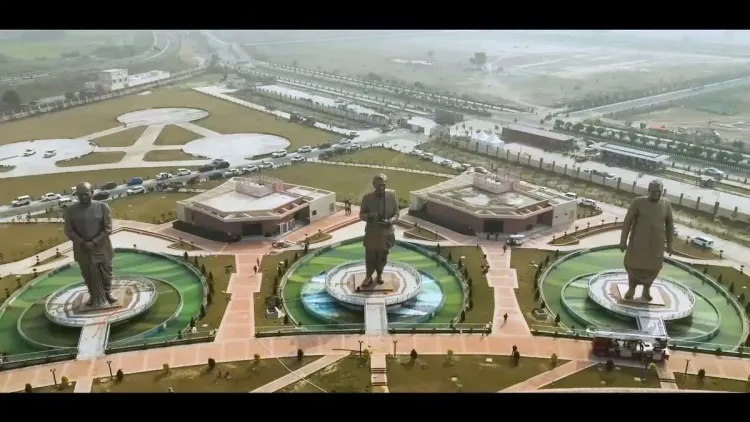
Union Road Transport and Highways Minister Nitin Gadkari on Tuesday, 14 July 2026 highlighted the role of national highway projects in strengthening the holistic urban development of Lucknow, the capital of Uttar Pradesh. The minister shared the update on X, tagging senior political leaders including Union Defence Minister Rajnath Singh, Chief Minister Yogi Adityanath, and other BJP leaders from the state.
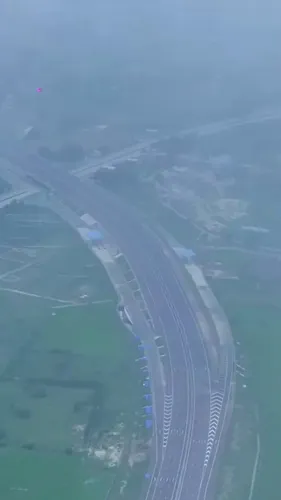
In his post, Gadkari wrote: 'लखनऊ के समग्र शहरी विकास को मजबूती प्रदान करती राष्ट्रीय राजमार्ग परियोजनाएं!' — translating to 'National highway projects that strengthen the holistic urban development of Lucknow!' The post carried the hashtags #PragatiKaHighway and #GatiShakti, signalling alignment with the central government's flagship infrastructure coordination framework.
Context
Lucknow has emerged as a priority urban centre for road infrastructure upgrades under the central government's accelerated highway expansion drive. As the state capital of Uttar Pradesh — India's most populous state — the city sits at the intersection of several national highway corridors and serves as a critical logistics and commuter hub for the broader region.
Gadkari's post comes amid sustained central focus on improving connectivity around major state capitals, with ring roads, elevated corridors, and expressway linkages forming the core of urban highway planning in cities of Lucknow's scale.
Policy Backdrop
The Bharatmala Pariyojana, approved in 2015, set out to develop 34,800 km of national highways across India, including economic corridors, inter-corridors, and ring roads around urban centres. Lucknow features in this network as a node requiring both bypass infrastructure and improved intra-city access.
PM GatiShakti, launched in October 2021, built on Bharatmala by creating a National Master Plan for multimodal infrastructure coordination — integrating road projects with railways, ports, and urban planning frameworks. Gadkari's invocation of #GatiShakti in his post signals that the Lucknow highway projects are being positioned within this broader integrated planning architecture.
Stakeholders and Impact
Lucknow's residents and daily commuters stand to benefit most directly from improved national highway linkages, which are expected to ease congestion, cut travel times, and reduce logistics costs for businesses operating in and around the city. Uttar Pradesh commuters on inter-city routes connecting Lucknow to other major centres also stand to gain from upgraded highway infrastructure.
The tagging of Chief Minister Yogi Adityanath and Deputy Chief Minister Keshav Prasad Maurya in the post underscores the joint central-state coordination that GatiShakti mandates, with state agencies responsible for land acquisition, utility shifting, and complementary urban road networks that feed into national highway projects.
What's Next
Attention will now turn to the physical progress and inauguration timelines of specific national highway stretches in and around Lucknow, and how they integrate with the city's urban master plan. The involvement of senior BJP leaders from Uttar Pradesh — including Rajnath Singh and Brajesh Pathak — suggests these projects carry both administrative and political salience ahead of continued state-level infrastructure rollouts.
As the central government continues to benchmark highway construction progress, Lucknow's corridor upgrades will be watched as a test case for how GatiShakti's multimodal integration model performs in a dense, politically significant state capital.
Point of View
But it also reflects the political optics of ensuring senior party figures are publicly associated with visible development outcomes. The invocation of '#PragatiKaHighway' alongside '#GatiShakti' suggests a concerted effort to brand highway expansion as a measurable governance deliverable rather than a routine administrative update. Broader infrastructure momentum in Uttar Pradesh will likely be a recurring theme as the government seeks to consolidate its development record in the state.
NationPress
14 Jul 2026
Frequently Asked Questions
What national highway projects is Gadkari promoting for Lucknow?
Gadkari highlighted national highway projects aimed at strengthening the holistic urban development of Lucknow, linking them to the PM GatiShakti National Master Plan and the Bharatmala Pariyojana. Specific project names and lengths were not detailed in the post.
What is PM GatiShakti and how does it relate to Lucknow?
PM GatiShakti is a National Master Plan launched in October 2021 to coordinate multimodal infrastructure — roads, railways, ports, and urban planning — across India. Lucknow's highway projects are being developed within this framework to improve connectivity and reduce logistics costs.
What is Bharatmala Pariyojana and does it cover Lucknow?
Bharatmala Pariyojana, approved in 2015, is a central government programme to develop 34,800 km of national highways including expressways and ring roads. Lucknow features as a key urban node in this network.
Why did Gadkari tag Rajnath Singh and Yogi Adityanath in the post?
Gadkari tagged Union Defence Minister Rajnath Singh and Chief Minister Yogi Adityanath to signal central-state coordination on Lucknow's highway projects, consistent with the GatiShakti framework which requires joint planning between central ministries and state governments.
How will Lucknow residents benefit from new national highway projects?
Improved national highway linkages around Lucknow are expected to ease urban congestion, reduce travel times for daily commuters, and lower logistics costs for businesses, contributing to the city's broader urban development goals.