CM Sukhu: HP to earn Rs 600 cr yearly with zero investment
Synopsis
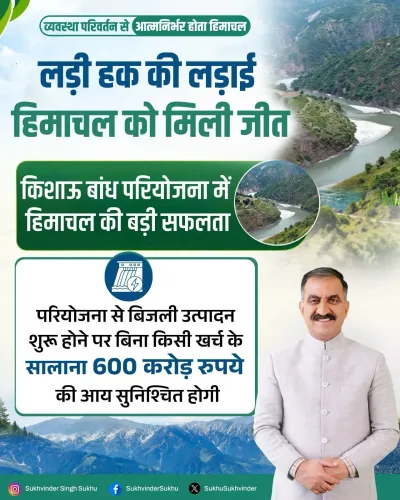
Chief Minister Sukhvinder Singh Sukhu has announced that Himachal Pradesh will earn approximately Rs 600 crore per year from an infrastructure project without investing any state funds, highlighting the government's push for non-tax revenue through concession-based arrangements.
Key Takeaways
The Chief Minister's Office of Himachal Pradesh quoted CM Sukhvinder Singh Sukhu on 14 July 2026 announcing a revenue-share arrangement from an infrastructure project.
The state expects to earn approximately Rs 600 crore annually without making any financial investment in the project.
The exact project name and sector were not disclosed in the post; full details are awaited.
Himachal Pradesh has historically used royalty and free-power clauses in hydropower and infrastructure concessions to generate non-tax revenue.
The projected annual inflow would strengthen the state exchequer and support fiscal consolidation efforts under the Sukhu government .
Project-specific MoU details and formal budget inclusion are the key next steps to watch.
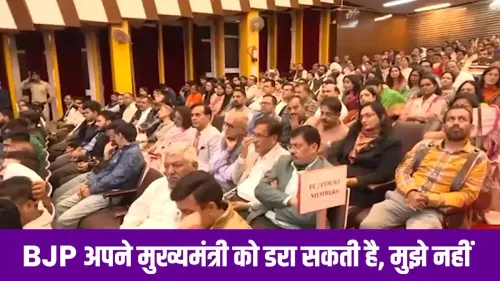
The Chief Minister's Office of Himachal Pradesh shared a statement on Tuesday, 14 July 2026, quoting Chief Minister Thakur Sukhvinder Singh Sukhu announcing that the state stands to earn approximately Rs 600 crore annually from an infrastructure project without making any financial investment of its own.
In the post, CM Sukhu stated — 'jiske tahat Himachal Pradesh ko pariyojana mein koi vittiya nivesh kiye bina prativarsh lagbhag 600 crore rupaye ka rajaswa prapt hoga' — ('under which Himachal Pradesh will receive annual revenue of approximately Rs 600 crore without any financial investment in the project'). The remark appears to be part of a longer statement, with the post carrying a 'R to @CMOFFICEHP' tag indicating it is a reply or continuation thread from the official Chief Minister's Office account.
Context
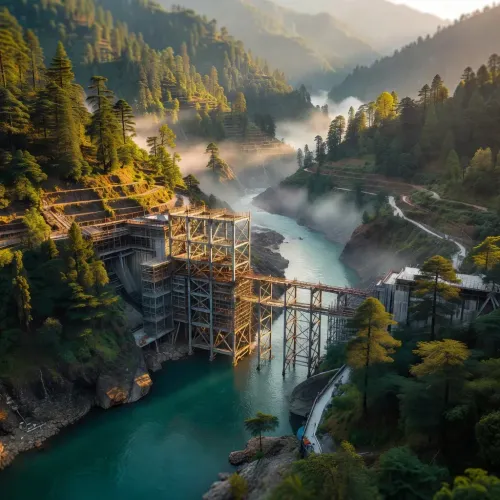
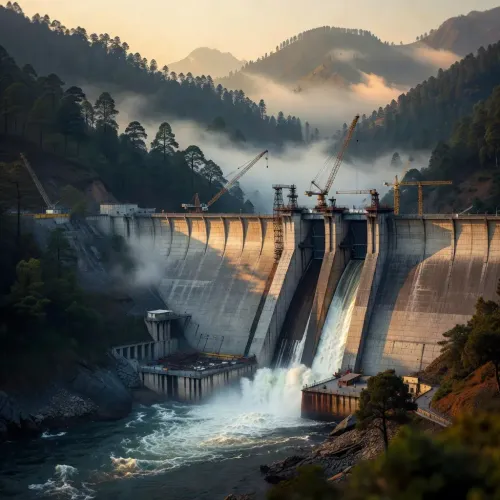
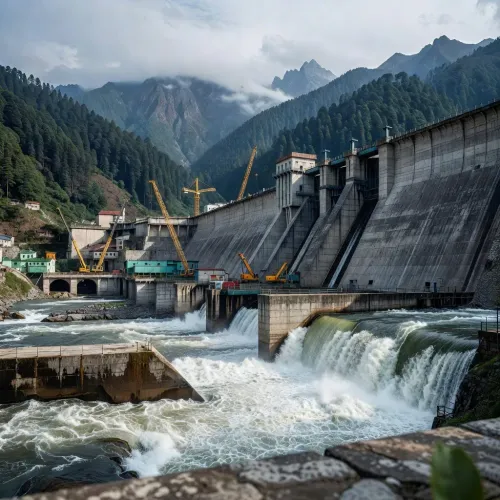
The statement references a specific project under which the state government expects a recurring revenue stream purely from a concession or revenue-share arrangement. While the exact project name and sector have not been specified in this post, the framing — zero capital outlay by the state, fixed annual receipts — is characteristic of royalty or free-power provisions embedded in infrastructure or hydropower concession agreements.
CM Sukhu, who has led Himachal Pradesh since December 2022, has consistently emphasised fiscal consolidation and non-tax revenue generation as priorities for a state that carries a significant debt burden. A guaranteed annual inflow of Rs 600 crore without state expenditure would represent a meaningful addition to the state's own revenue base.
Policy Backdrop
Indian states have long structured infrastructure and hydropower concessions to generate non-tax revenue without direct capital outlay. Under such arrangements, a developer — typically a central public-sector undertaking or a private concessionaire — builds and operates a project, while the host state receives royalty payments, free power, or a revenue share as compensation for land, water, or other natural resources.
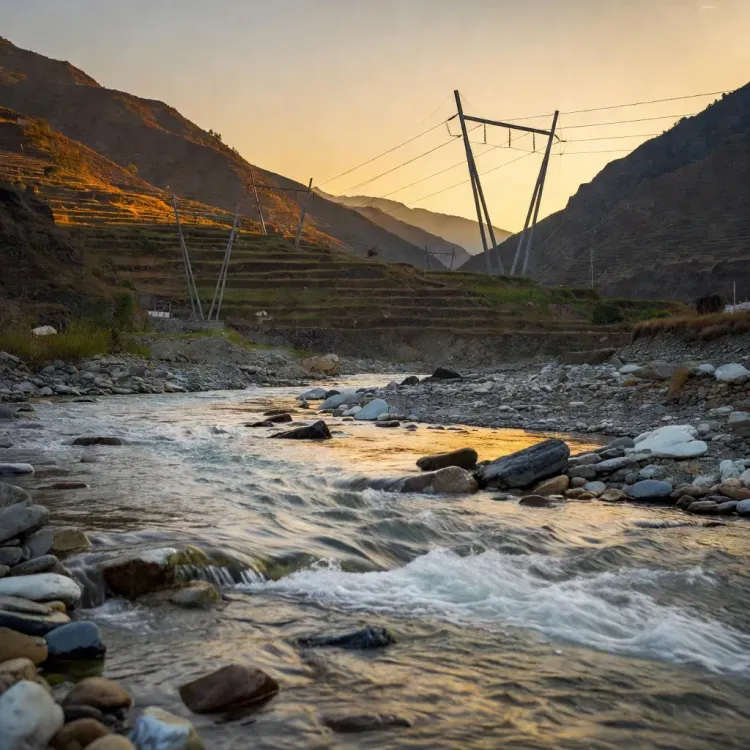
Himachal Pradesh, endowed with significant river systems including the Beas, Sutlej, Ravi, and Chenab, has historically applied such mechanisms across dozens of hydropower projects. Free-power entitlements alone from operational projects contribute hundreds of crore to the state's annual receipts. A new project promising Rs 600 crore per year on similar terms would rank among the larger such arrangements for the state.
Stakeholders and Impact
The primary beneficiary is the state exchequer, which would receive a predictable annual revenue stream that can be deployed for social spending, debt servicing, or capital expenditure without the risk exposure that direct project investment entails. For Himachal Pradesh, a hill state with limited industrial base and high infrastructure costs, such arrangements are a critical fiscal tool.
Local communities near the project site — once identified — and the broader population of the state stand to benefit indirectly if the revenue is channelled into public services. The developer or concessionaire, by contrast, gains access to the state's natural or strategic assets in exchange for the revenue commitment.
What's Next
The government is expected to release project-specific details — including the name of the project, the developer, the concession terms, and any MoU or cabinet approval — in the coming days. Formal inclusion of the projected Rs 600 crore annual receipt in the state budget or revised estimates would be the next legislative milestone to watch. CM Sukhu's office is likely to follow up with a fuller press statement or a cabinet briefing that provides the complete picture of the arrangement.
Point of View
A guaranteed Rs 600 crore annual inflow from a single project is politically significant — it allows the government to claim development delivery without the optics of borrowing. The deliberate withholding of the project name in a thread-style post suggests the full announcement may be staged for maximum political impact, possibly timed to a formal signing ceremony or budget session. Analysts will watch whether the figure survives scrutiny once the concession terms are in the public domain.
NationPress
13 Oct 2026
Frequently Asked Questions
Which project will give Himachal Pradesh Rs 600 crore annually?
The specific project name has not been disclosed in the official post. CM Sukhu's office announced the Rs 600 crore annual revenue figure but full project details, including the developer and sector, are expected to be released separately.
What does 'no financial investment by HP' mean in this context?
It means Himachal Pradesh will not spend any of its own funds to build or operate the project. The state will instead receive revenue — likely through a royalty, free-power, or revenue-share clause — purely by virtue of the project being located in or using the state's natural resources.
How does Himachal Pradesh earn revenue from infrastructure projects without investing?
The state typically negotiates royalty payments, free-power entitlements, or profit-share clauses when it grants land, water, or other natural-resource access to developers. These arrangements allow the state to earn recurring income without capital risk.
Who is CM Sukhvinder Singh Sukhu?
Sukhvinder Singh Sukhu is the Chief Minister of Himachal Pradesh, in office since December 2022. He leads the Congress government in the state and has focused on fiscal consolidation and boosting non-tax revenue.
When will the full details of this Himachal Pradesh revenue project be announced?
No official date has been given. The government is expected to release the project name, MoU details, and concession terms in the near future, with formal budgetary recognition likely to follow.