CM Himanta Meets Tribal, Tea Worker Groups at Assam Assembly
Synopsis
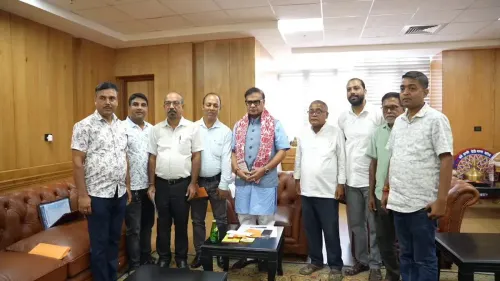
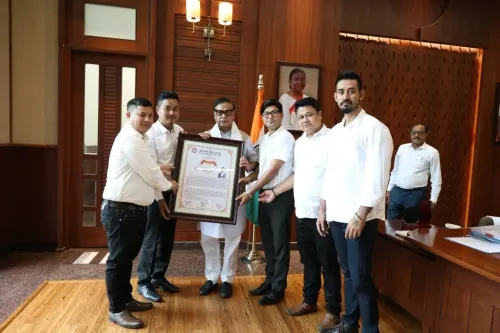
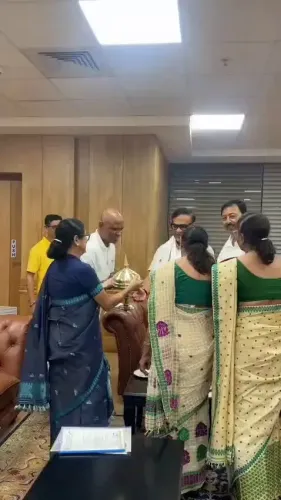
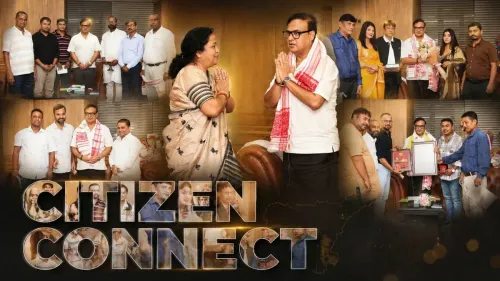
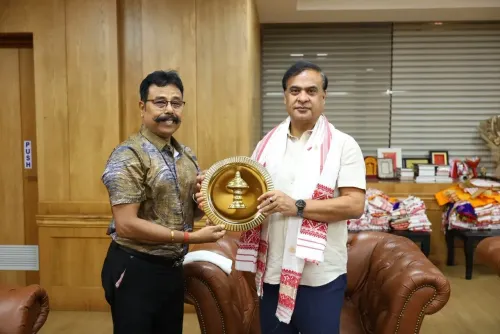
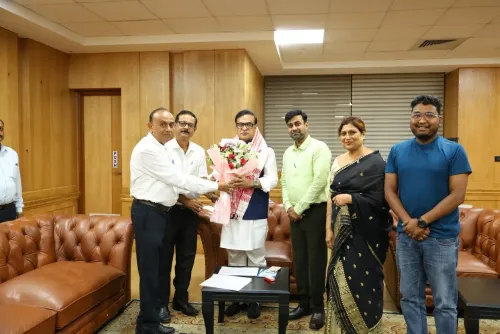
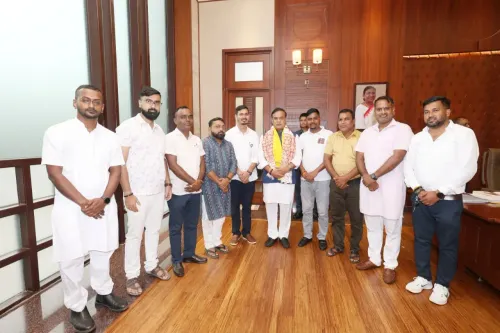
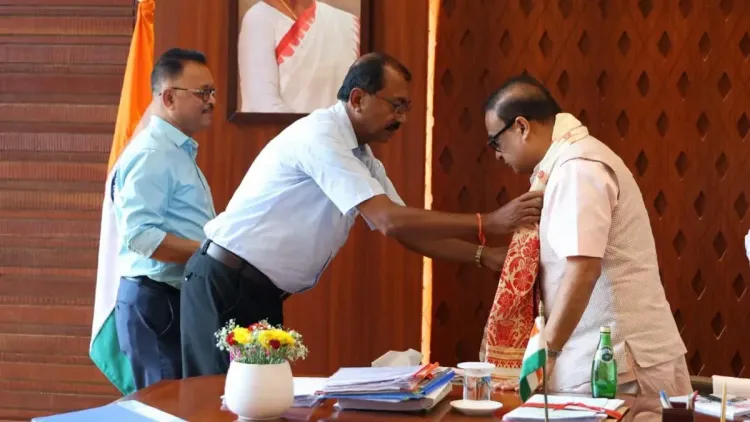
Chief Minister Himanta Biswa Sarma on 14 July 2026 received delegations from tribal, tea-worker, cultural and student organisations at the Assam Legislative Assembly, discussing public interest and organisational issues in a wide-ranging outreach session.
Key Takeaways
The Chief Minister's Office of Assam confirmed that CM Dr.
Himanta Biswa Sarma met multiple delegations on 14 July 2026 at the Assam Legislative Assembly .
Delegations included the ST Morcha BJP Hailakandi , Bharatiya Chah Karmachari Union , Srimanta Sankardev Sangha , ATSA , and the Dimasa Students' Union .
Representatives from Karbi Anglong and several other organisations and individuals also participated in the discussions.
The meeting covered 'a range of organisational and public interest issues,' according to the official CMO post.
No specific outcomes or policy commitments were announced in the official communication.
The engagement reflects Assam's established pattern of direct Chief Ministerial outreach to tribal, occupational and cultural constituencies.
The Chief Minister's Office of Assam announced on Tuesday, 14 July 2026 that Chief Minister Dr. Himanta Biswa Sarma received delegations from multiple tribal, cultural, and occupational organisations at the Assam Legislative Assembly, where they discussed a range of organisational and public interest concerns.
Context
The delegations that called upon CM Himanta Biswa Sarma included representatives of the ST Morcha, BJP Hailakandi, the Bharatiya Chah Karmachari Union, the Srimanta Sankardev Sangha, ATSA, the Dimasa Students' Union, and representatives from Karbi Anglong, alongside several other organisations and individuals. The meeting, conducted at the state legislature premises, signals the Chief Minister's continued practice of direct engagement with diverse community groups.
The CMO described the session as covering 'a range of organisational and public interest issues,' though specific outcomes or commitments were not detailed in the official communication.
Policy Backdrop
Assam's political landscape is shaped by its remarkable demographic diversity — encompassing indigenous tribal communities, tea-tribe workers, linguistic minorities, and socio-religious bodies. Successive state governments have used structured outreach meetings with such groups to manage demands around land rights, employment, education, and cultural recognition.
Since 2016, the BJP-led Assam government has expanded targeted welfare programmes for tea tribes and Scheduled Tribe communities, including through bodies such as the Tea Tribes Welfare Board. The Bharatiya Chah Karmachari Union represents workers across Assam's sprawling tea industry, one of the state's most significant economic sectors. The Srimanta Sankardev Sangha is a prominent socio-religious organisation promoting the legacy of the 15th-century saint-reformer Srimanta Sankardev, whose neo-Vaishnavite philosophy is central to Assamese cultural identity.
The Dimasa Students' Union represents the Dimasa community, primarily active in Dima Hasao and surrounding areas, while Karbi Anglong is an autonomous district governed under the Karbi Anglong Autonomous Council, home to a majority tribal population with a distinct administrative framework.
Stakeholders and Impact
The breadth of organisations present — spanning a BJP tribal wing, a tea-worker trade union, a cultural-religious body, and multiple student and tribal outfits — reflects the range of constituencies the state government must engage simultaneously. Tea garden workers, who number in the lakhs across Assam, have historically been a politically significant demographic, and their union's direct access to the Chief Minister is notable.
For tribal communities in Karbi Anglong and those represented by the Dimasa Students' Union, such meetings serve as a channel to raise concerns around autonomy, development funding, and educational access that may not receive legislative floor time.
What's Next
Follow-up announcements on welfare schemes or administrative decisions could emerge during the ongoing Assam Legislative Assembly session or in forthcoming state budget deliberations. The Chief Minister's office has not indicated a timeline for any specific policy responses arising from these discussions. Observers will watch whether the engagement translates into concrete scheme expansions or administrative orders targeting the communities represented in Tuesday's meeting.
Point of View
Visible lines of communication with Assam's fragmented but electorally significant community blocs. By receiving groups as varied as a tea-worker union, a Dimasa student body, and a BJP tribal wing in a single sitting, the Chief Minister signals inclusivity while reinforcing the party's organisational reach into autonomous and minority-community spaces. The presence of Karbi Anglong representatives alongside southern Assam's ST Morcha also underscores the government's effort to manage the state's complex tribal geography under a unified administrative umbrella. Whether the meeting yields concrete policy movement or remains a relationship-maintenance exercise will depend on what emerges from the legislative session ahead.
NationPress
13 Oct 2026
Frequently Asked Questions
Who met CM Himanta Biswa Sarma at the Assam Assembly on 14 July 2026?
Representatives of the ST Morcha BJP Hailakandi, Bharatiya Chah Karmachari Union, Srimanta Sankardev Sangha, ATSA, the Dimasa Students' Union, and delegations from Karbi Anglong, among other organisations and individuals, called upon Chief Minister Dr. Himanta Biswa Sarma at the Assam Legislative Assembly on 14 July 2026.
What is the Bharatiya Chah Karmachari Union?
The Bharatiya Chah Karmachari Union is a trade union representing tea garden workers and employees across Assam's tea industry, one of the state's most economically significant sectors.
What is the Dimasa Students' Union?
The Dimasa Students' Union is a student body representing the Dimasa tribal community, primarily active in Dima Hasao and surrounding areas of Assam.
What is Srimanta Sankardev Sangha?
The Srimanta Sankardev Sangha is an Assam-based socio-religious and cultural organisation that promotes the teachings and legacy of 15th-century saint-reformer Srimanta Sankardev, a foundational figure in Assamese cultural identity.
What issues were discussed at the meeting with CM Himanta in the Assam Assembly?
The Chief Minister's Office stated the delegations discussed 'a range of organisational and public interest issues,' but specific details or outcomes were not disclosed in the official communication.