Gadkari holds Jansampark session in Nagpur's Mahal
Synopsis
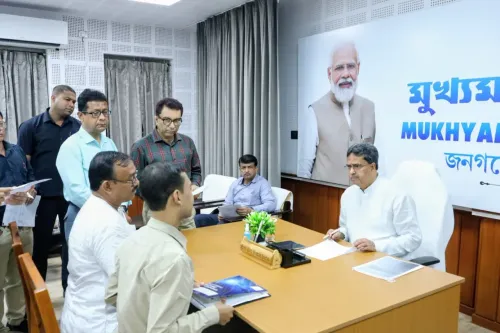
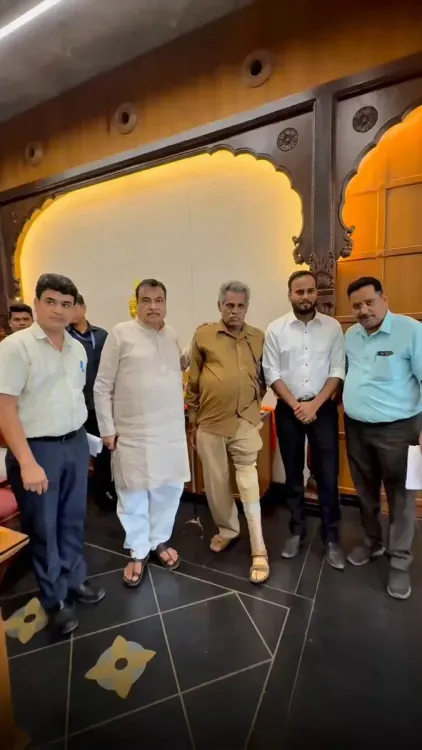
Union Minister Nitin Gadkari held a Jansampark public grievance session at his Mahal office in Nagpur on 19 July 2026, listening to citizens from various areas and directing officials to resolve their concerns.
Key Takeaways
Union Minister Nitin Gadkari held a Jansampark session at his constituency office in Mahal, Nagpur on 19 July 2026 .
Citizens from multiple areas of Nagpur attended to present their grievances directly to the minister.
Gadkari directed officials on-site to act on the problems raised during the session.
The Mahal Jansampark Karyalay serves as a dedicated public contact office for Gadkari's parliamentary constituency.
Gadkari has maintained this outreach format since his time as Maharashtra BJP president in the early 2000s.
Follow-up action by Nagpur Municipal Corporation and state agencies on the grievances raised will be a key indicator of the session's impact.
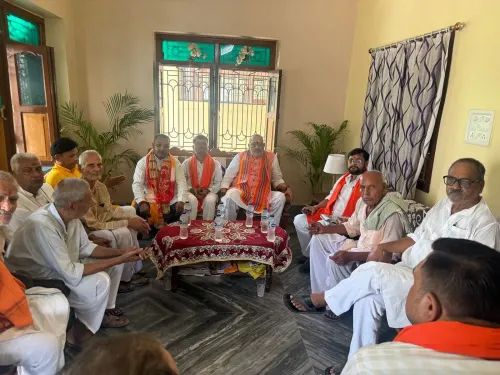
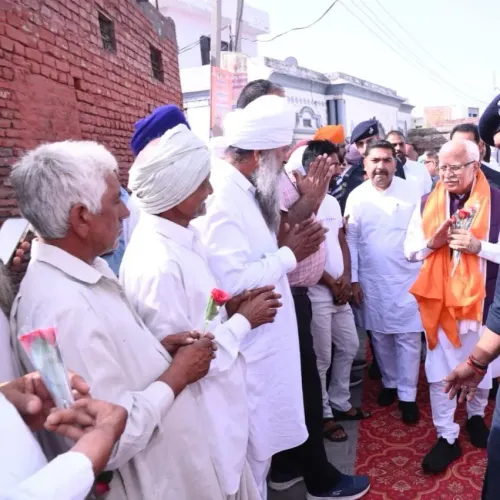
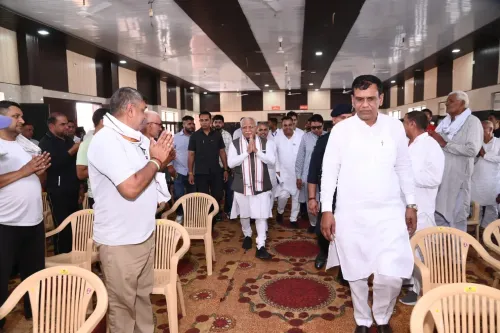
Union Road Transport and Highways Minister Nitin Gadkari convened a public grievance redressal session — known as Jansampark — at his constituency outreach office in Mahal, Nagpur, on Sunday, 19 July 2026. Citizens from various parts of the city attended the session to present their concerns directly to the minister, who subsequently directed officials to act on the complaints raised.
Context
Posting on X alongside a video from the event, Gadkari described the session as an opportunity to listen to and understand the problems of residents who had travelled from different areas of Nagpur. 'Aaj aayojit is Jansampark ke dauran vibhinn kshetra se aaye nagarikon ki samasyaen suni, samjhi aur unke nirvahan ke liye adhikariyon ko nirdesh diye' — ['During today's Jansampark, I listened to and understood the problems of citizens from various areas, and directed officials to resolve them'], he wrote.
The session was held at the Jansampark Karyalay, Mahal, a dedicated public contact office that Gadkari maintains in his parliamentary constituency. The hashtags #NitinGadkariJansampark, #Nagpur, and #Jansampark accompanied the post.
Policy Backdrop
Gadkari has conducted periodic Jansampark sessions in Nagpur since his tenure as Maharashtra BJP president in the early 2000s, maintaining direct constituent contact even as he manages one of the country's largest infrastructure portfolios at the Centre. The format allows residents to bypass bureaucratic layers and bring civic, developmental, and personal grievances directly to an elected representative.
Indian national ministers who simultaneously hold Lok Sabha seats routinely organise such local public hearings, reflecting the federal character of Indian politics in which central leaders retain strong regional organisational roles. The practice is seen across party lines as a demonstration of administrative accessibility and grassroots responsiveness.
Stakeholders and Impact
The primary beneficiaries of Sunday's session were Nagpur residents who brought forward concerns spanning multiple civic domains. By directing officials on the spot, Gadkari creates a direct accountability chain between citizen complaints and the agencies responsible for resolution — whether at the level of the Nagpur Municipal Corporation or state government departments.
For constituents in Mahal and surrounding localities, the Jansampark office serves as an accessible single window to a minister who spends a significant portion of his time in New Delhi on national duties. The sessions are therefore among the most visible touchpoints between Gadkari and his voter base.
What's Next
Observers will watch for follow-up action by Nagpur Municipal Corporation and relevant state agencies on the grievances raised during Sunday's session. Any announcements of local road, civic infrastructure, or urban development projects linked to the concerns heard on 19 July would be a direct indicator of the session's on-ground impact. Gadkari is expected to continue holding such outreach programmes periodically throughout his parliamentary term.
Point of View
Regular constituency contact is both political insurance and a signal of organisational discipline. The session also reflects a broader pattern in Indian politics where central ministers must balance national portfolio demands against local electoral accountability. How swiftly the directed officials act on citizen grievances will determine whether the format retains credibility as a genuine redressal mechanism or becomes primarily a public-relations exercise.
NationPress
20 Jul 2026
Frequently Asked Questions
What is Jansampark and why does Nitin Gadkari hold it?
Jansampark is a direct public grievance redressal programme where citizens meet their elected representative to raise civic and personal concerns. Gadkari holds these sessions at his Mahal office in Nagpur to maintain constituent contact alongside his central ministerial duties.
Where is the Jansampark Karyalay that Gadkari uses in Nagpur?
The Jansampark office is located in the Mahal area of Nagpur, which is part of Gadkari's Nagpur Lok Sabha constituency.
What happened at Gadkari's Jansampark on 19 July 2026?
Gadkari listened to grievances from citizens who came from various parts of Nagpur and directed officials to take action for their resolution. A video of the session was shared on his official X account.
How often does Nitin Gadkari hold Jansampark sessions?
Gadkari has conducted periodic Jansampark sessions in Nagpur since at least his tenure as Maharashtra BJP president in the early 2000s, though a fixed public schedule for 2026 sessions has not been specified.
Which agencies are expected to act on the grievances raised at the Nagpur Jansampark?
Officials directed by Gadkari during the session are expected to include those from the Nagpur Municipal Corporation and relevant Maharashtra state government departments, depending on the nature of the complaints raised.